

I have worked with thousands of dogs over the course of nearly two decades in the pet care industry, and I’ve noticed that grooming is often one of the most misunderstood aspects of canine wellness. Many dog owners view grooming solely as an aesthetic choice—making sure their pup looks fluffy and cute—but it goes much deeper than that. Proper grooming and the proper tools are critical component of your dog’s physical health, skin condition, and even their behavioral confidence.

Ready to Get Started?
Your dog deserves structured exercise, fun social enrichment, and a personalized fitness plan.
Begin your journey today!
At Canine Cardio here in Arlington, Virginia, we believe in a holistic approach to care. Whether we are running a gym session or providing a bath, everything is done with intention. I often hear from owners who want to be more involved in their dog’s care at home, and I love that enthusiasm. At-home maintenance can strengthen the bond between you and your dog and make professional visits much smoother.
However, the goal isn’t to replicate a full salon experience in your bathroom. The goal is to use the right dog grooming tools safely to maintain your dog’s coat, while knowing which grooming tasks require the trained eye and steady hand of a professional. Using the wrong equipment—or using professional tools without training—can lead to skin injuries, coat damage, and a fearful dog.
In this guide, I’ll walk you through the best dog grooming tools every pet owner should have, the equipment best left to the pros, and how to strike the right balance for a happy, healthy dog.
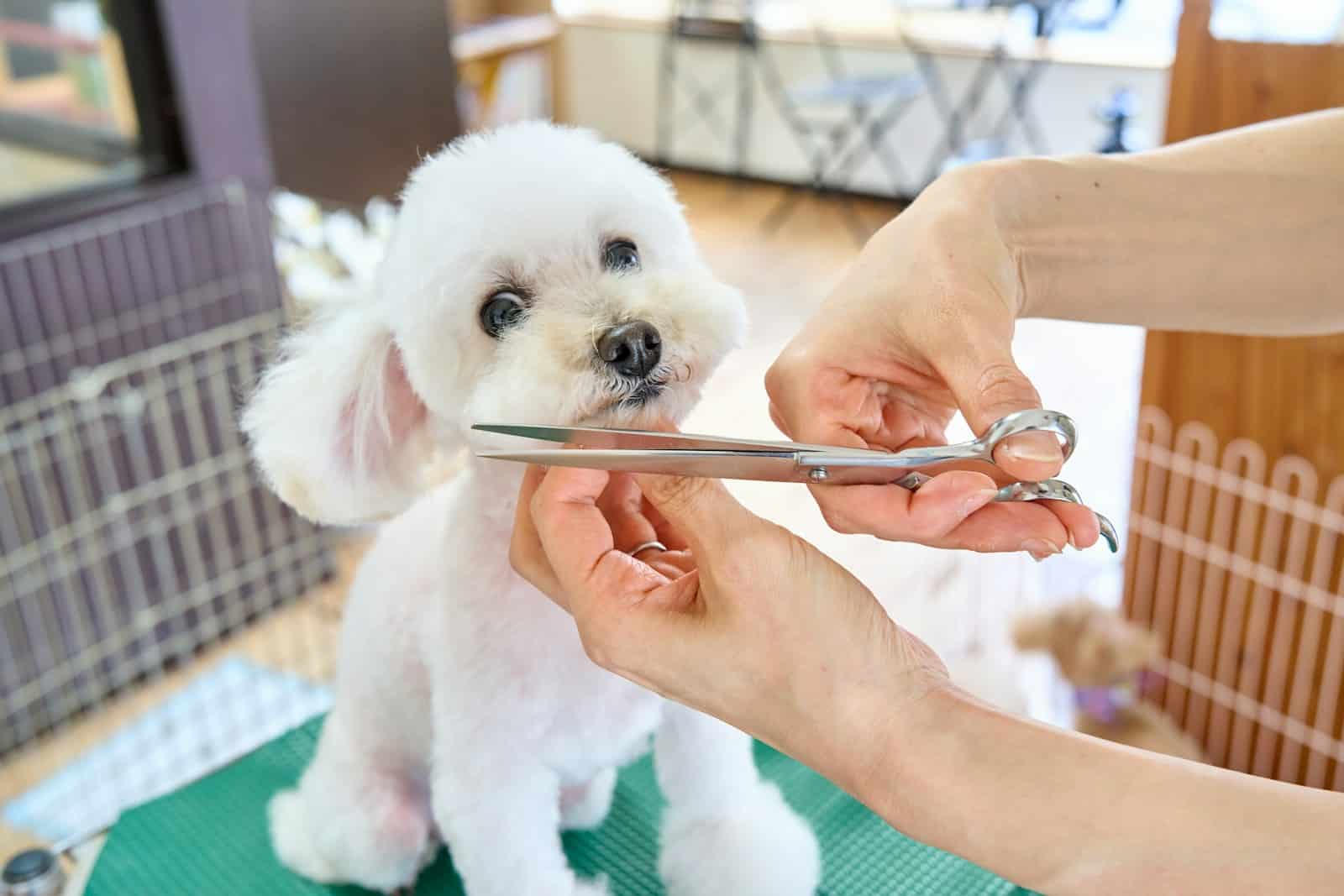
Common Dog Grooming Tools Pet Owners Use at Home
I strongly encourage all my clients to maintain their dog’s coat and hygiene between professional grooming sessions. Regular maintenance prevents painful mats from forming and desensitizes your dog to being handled. The key is to stick to tools that are safe, effective, and easy to use without extensive training.
Here are the essentials I recommend for your home grooming kit:
1. Brushes and Combs
If you only own one tool, make it a high-quality brush. Brushing is the single most important thing you can do for your dog’s skin and coat health. It distributes natural oils, removes debris, and prevents the tangles that lead to matting.
- Slicker Brushes: These are the workhorses of the grooming world. They have fine wire bristles that are excellent for removing loose hair and detangling minor knots in curly or double-coated dogs (like Doodles, Retrievers, or Shepherds).
- Undercoat Rakes: If you have a Husky or a German Shepherd, this is a lifesaver during shedding season. The rake reaches past the topcoat to grab loose fur from the dense underlayer.
- Metal Greyhounds Combs: After brushing, running a metal comb through the fur helps you find any hidden tangles you might have missed near the skin.
2. Nail Clippers and Nail Grinder
Long nails can change the alignment of your dog’s foot, causing pain and joint issues. Keeping them short is vital.
- Clippers: Scissor or guillotine-style clippers are standard. They are quick but require precision to avoid cutting the “quick” (the blood vessel inside the nail).
- Nail Grinders: Many owners prefer grinders (like a Dremel) because they file the nail down gradually. This reduces the risk of cutting too deeply and leaves a smoother edge, though the noise/vibration takes some getting used to for the dog.
3. Grooming Wipes
Let’s be honest—we lead busy lives. You don’t always have time for a full bath when your dog steps in mud or gets some food on their face. Grooming wipes are fantastic for spot cleaning paws, wiping tear stains, or freshening up the coat after a gym session. Look for hypoallergenic wipes specifically designed for dogs.
4. Dog Shampoo and Basic Bathing Supplies
One of the biggest mistakes I see owners make is using human shampoo or dish soap on their dogs. A dog’s skin pH is different from ours, and human products can strip their natural oils, leading to dry, itchy skin. Always keep a bottle of high-quality, dog-specific shampoo on hand. If your dog has sensitive skin, look for oatmeal-based or hypoallergenic formulas.
5. Towels, Drying Tools, and Detangling Sprays
If you bathe your dog at home, drying is just as important as washing. Leaving a dog damp can lead to “hot spots” (moist dermatitis) and increase the likelihood of matting. Have super-absorbent microfiber towels ready. A detangling spray can also help your brush glide through the coat more easily as you dry, making the experience more comfortable for your pup.
Dog Grooming Tools Best Left to Professional Groomers
While I support DIY maintenance, there is a line where home care should stop and professional care should begin. There are specific grooming tools that I personally recommend owners avoid using at home unless they have been professionally trained. The risk of accidental injury with these tools is high, and mistakes can traumatize a dog, making future grooming difficult.
1. High-Powered Clippers
Professional clippers are powerful machines. Without the correct blade length or guard comb, it is incredibly easy to cut a dog’s skin, especially in areas where the skin is thin or loose, like the armpits or flank. Furthermore, clipper blades heat up rapidly due to friction. Professionals know to constantly check blade temperature and switch them out; at home, owners often unknowingly burn their dog’s skin with a hot blade.
2. Professional Shears and Precision Trimming Tools
Those long, sharp scissors groomers use are razor-sharp. Attempting to trim around a dog’s eyes, paws, or sanitary areas requires significant skill and knowledge of canine anatomy. If a dog jerks their head unexpectedly while you are trimming near the eyes, the results can be catastrophic. We rely on safety restraints and years of handling experience to do this safely.
3. Ear Cleaning and Plucking Tools
While basic ear wiping is fine, deep cleaning or plucking ear hair with hemostats should be left to pros. Incorrect technique can pack wax further into the ear canal or damage the eardrum. Additionally, plucking hair can open up the follicles to bacteria, causing painful ear infections if not done in a sanitary environment.
4. De-matting Tools and Coat Restoration Equipment
If your dog has severe mats tight against the skin, please do not try to cut them out with scissors or rip them out with a brush. This is incredibly painful for the dog and often results in gaping skin wounds because the skin gets pulled up into the mat. Professional groomers have specialized tools and techniques to safely remove mats or shave underneath them without cutting the skin.
Top Grooming Tools Professionals Use (And Where to Get Them)
Curious about what the pros keep in their holsters? While training is the most important asset, quality equipment makes a difference. Here are seven top-tier brands and tools that professional groomers rely on, which can be purchased by dedicated enthusiasts.
- Chris Christensen Big G Slicker Brush: Widely considered the best brush on the market for Doodles and double-coated breeds. Its long, dense pins remove tangles without scratching the skin. Visit Chris Christensen Website
- Andis AGC2 UltraEdge 2-Speed Clipper: A heavy-duty workhorse used in salons worldwide. It runs cool and quiet, making it ideal for nervous dogs, but powerful enough for thick coats. Visit Andis Website
- Wahl Stainless Steel Attachment Combs: These guard combs glide through hair much more smoothly than plastic ones, providing an even cut and reducing the risk of clipper mistakes. Visit Wahl Animal Website
- K-9 III High Velocity Dryer: This isn’t a hair dryer; it’s a blaster. It blows water out of the coat incredibly fast and straightens curly hair for that fluffy, professional finish. Visit K-9 Dryers Website
- Geib Buttercut Shears: Renowned for their precision and comfort. These shears stay sharp and allow for the meticulous scissoring work you see on show dogs. Visit Geib Buttercut Website
- Dremel 7300-PT Dog Nail Grinder: While available to consumers, this is a staple in salons. It offers two speeds and allows for a smooth, rounded finish on the nails that clippers can’t achieve. Visit Dremel Website
- Bio-Groom Super White Shampoo: For white dogs (like Malteses or Bichons), this professional-grade shampoo brightens the coat without harsh bleaching agents, enhancing coat texture. Visit Bio-Groom Website
How Professional Dog Grooming Protects Skin and Coat
At Canine Cardio, grooming isn’t just about making dogs look good—it’s about protecting their physical and emotional well-being. When you drop your dog off with a professional, you are getting more than a haircut; you are getting a health check.
Before a groomer even picks up a brush, they perform a hands-on assessment of the skin and coat. We are trained to feel for things owners might miss: new lumps or bumps, ticks, fleas, hot spots, or changes in skin texture that could indicate an allergy or thyroid issue. Because we see your dog on a schedule, we are often the first line of defense in noticing health changes.
Furthermore, our process supports skin health. Improper drying at home is a leading cause of fungal infections and matting. In a professional setting, we use high-velocity dryers that blast water away from the skin, ensuring the dog is completely dry down to the root. This is essential for preventing skin irritation.
Finally, we prioritize a low-stress environment. An experienced handler knows how to read a dog’s body language. If a dog is stressed, we adjust our approach. This structured environment prevents the grooming table from becoming a place of fear, ensuring your dog remains confident and happy.
When to Book a Grooming Appointment
One of the most common questions I hear is, “How do I know when it’s time to schedule grooming?” Life gets busy, and sometimes it’s hard to tell if your dog needs a trim or if they can wait another week.
If you notice any of the following, it is time to book an appointment:
- Mats or tangles: If you can’t get a comb through the fur, bring them in immediately before it gets tighter.
- Nails clicking: If you hear “click-click-click” on your hardwood floors, the nails are too long and impacting their gait.
- Odor or irritation: A “Frito feet” smell or general doggy odor that doesn’t go away after a bath suggests yeast or bacteria needs professional attention.
- Scooting: This often indicates the sanitary area needs trimming or anal glands need expression.
- Seasonal shedding: If you are finding tumbleweeds of hair in your house, a professional de-shedding treatment is needed.
- Behavioral signs: If your dog seems itchy, uncomfortable, or hesitant to have their ears touched, they need a check-up.
For most breeds with hair (Poodles, Shih Tzus), every 4 to 6 weeks is ideal. For double-coated breeds (Labs, Shepherds), every 8 to 10 weeks keeps the shedding under control. Consistency is key to avoiding the need for a “shave down” due to matting.
What Tools Do Dog Groomers Use?
I often get asked what makes the salon result so different from the home result. Aside from training, it really comes down to the caliber of the equipment.
- High-Velocity Dryers: These are powerful blowers that straighten the coat and remove loose undercoat in a way a towel never could.
- Professional Clippers: These maintain constant speed regardless of coat thickness, preventing pulling or snagging.
- Hydraulic Grooming Tables: These keep the dog secure and at the right height, preventing the groomer from hunching over and keeping the dog from jumping off.
- Coat-Specific Products: We don’t just use one shampoo. We have degreasers, volumizers, texturizers, and conditioners tailored to the specific coat type we are working on.
However, the difference isn’t just the tools—it’s the training behind them. A high-velocity dryer in untrained hands can be terrifying for a dog; in trained hands, it’s a massage.
What Is the Best Grooming Tool for Dogs?
The best tool depends entirely on the coat type and the task at hand. However, if I had to choose one essential tool that every single dog owner should own, it is a high-quality brush matched to your dog’s coat.
Whether it is a slicker brush for a Doodle or a rubber curry brush for a Boxer, the brush is your primary connection to your dog’s coat health. Daily or weekly brushing removes dirt, prevents the pain of matting, distributes healthy oils, and allows you to check your dog for any physical abnormalities. It is the foundation of all grooming.
What Are the 7 Steps of Grooming a Dog?
Grooming is a process, and following the right order ensures safety and efficiency. Here is the educational breakdown of a standard groom:
- Brushing and De-shedding: We always brush before the bath. Water tightens mats, so tangles must be removed while the coat is dry.
- Ear Cleaning and Nail Trimming: We usually do this next. Doing nails before the bath allows us to file any rough edges that might scratch us or the dog during washing.
- Bathing: We scrub with breed-appropriate shampoo, ensuring we reach the skin, followed by a thorough rinse.
- Drying: This is the longest step. We use high-velocity air to remove moisture and straighten the hair.
- Clipping/Rough Cut: Once dry and fluffed, we remove the bulk of the length with clippers.
- Scissoring/Finishing: This is the detail work—trimming the face, feet, and tail by hand for a balanced look.
- Final Inspection: A final brush-through and check to ensure the cut is even and the dog is clean and happy.
When done in this order, the process is calmer for the dog and produces that professional finish owners love.
How Much Do You Tip a $70 Dog Groomer?
Tipping is never mandatory, but it is standard practice in the grooming industry and is deeply appreciated. Dog grooming is physically demanding, skilled labor that involves managing live animals who may be wiggly or anxious.
The standard tipping range is generally 15–20% of the bill. For a $70 groom, a tip of $10 to $15 is typical. However, you might consider adjusting this based on:
- Difficulty: Is your dog matted or aggressive?
- Size: Is it a 100lb Newfoundland or a 5lb Yorkie?
- Quality: Did the groomer communicate well and handle your dog with care?
Think of it like tipping a hairstylist who also has to reassure a moving client and ensure they don’t bite!
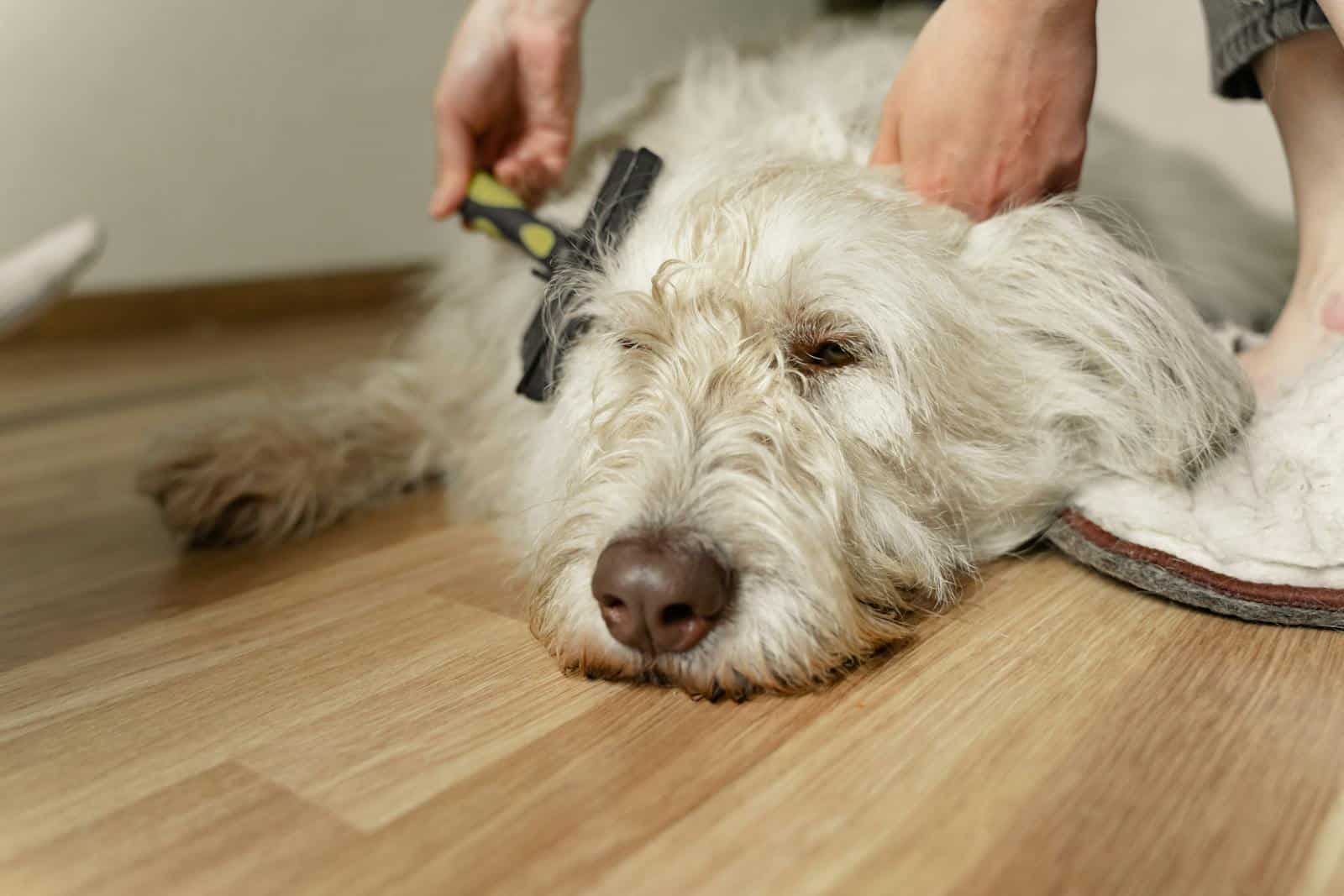
Photo by Yaroslav Shuraev on Pexels
Grooming as Part of a Balanced Life
Grooming is more than just maintenance—it’s part of helping dogs feel comfortable, confident, and healthy in their own skin. A clean, mat-free dog is a dog that moves freely and feels good.
At Canine Cardio, everything we do—from our gym sessions to our care routines—is designed to support total canine wellness: body, mind, and behavior. By keeping up with basic brushing at home and partnering with professionals for the detailed work, you are setting your dog up for a lifetime of health.
If you have questions about your dog’s coat or want to get them on a consistent schedule, invite us to help. Reach out to the Canine Cardio team to discuss a grooming consultation or wellness plan today.


