Dog Agility Training: Building Confidence and Fitness for Dogs in Alexandria and Arlington
By Alex Crabill · March 19, 2026
Ready to Get Started?
Your dog deserves structured exercise, fun social enrichment, and a personalized fitness plan. Begin your journey today!
Get Started
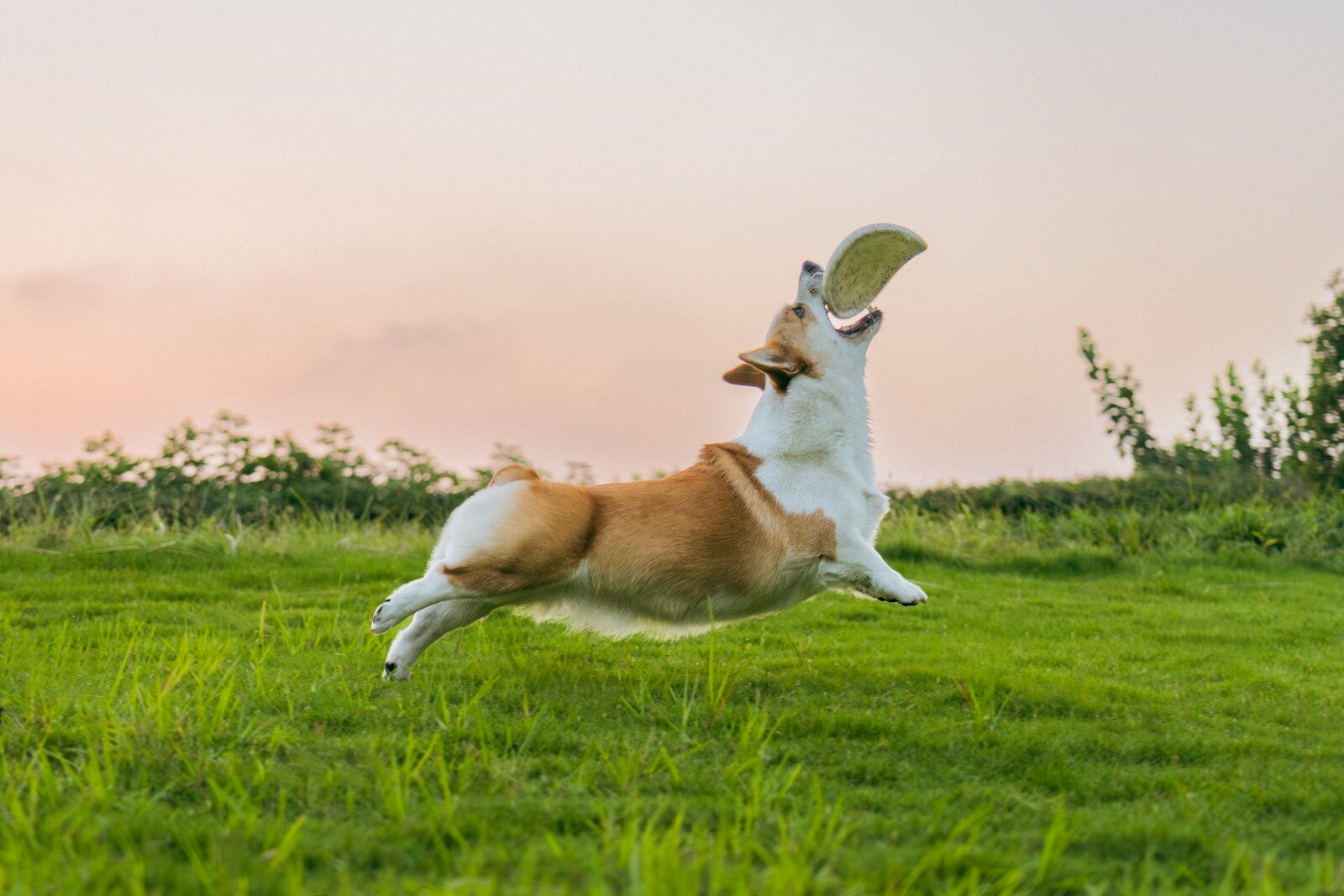
Many people first discover dog agility training when they see dogs racing through obstacle courses at events or competitions. The jumps, tunnels, and weave poles can look exciting and fast-paced, but agility is about much more than speed.
At its core, dog agility is about building confidence, improving physical fitness, and strengthening communication between the dog and handler.
Over the years working with dogs, I’ve seen how agility-style activities can transform a dog’s behavior. When done correctly, agility becomes a powerful tool that combines physical exercise, mental stimulation, and trust between the dog and the person guiding them.
At Canine Cardio, structured movement is a key part of helping dogs grow stronger, calmer, and more confident in their everyday lives.
What Is Dog Agility Training
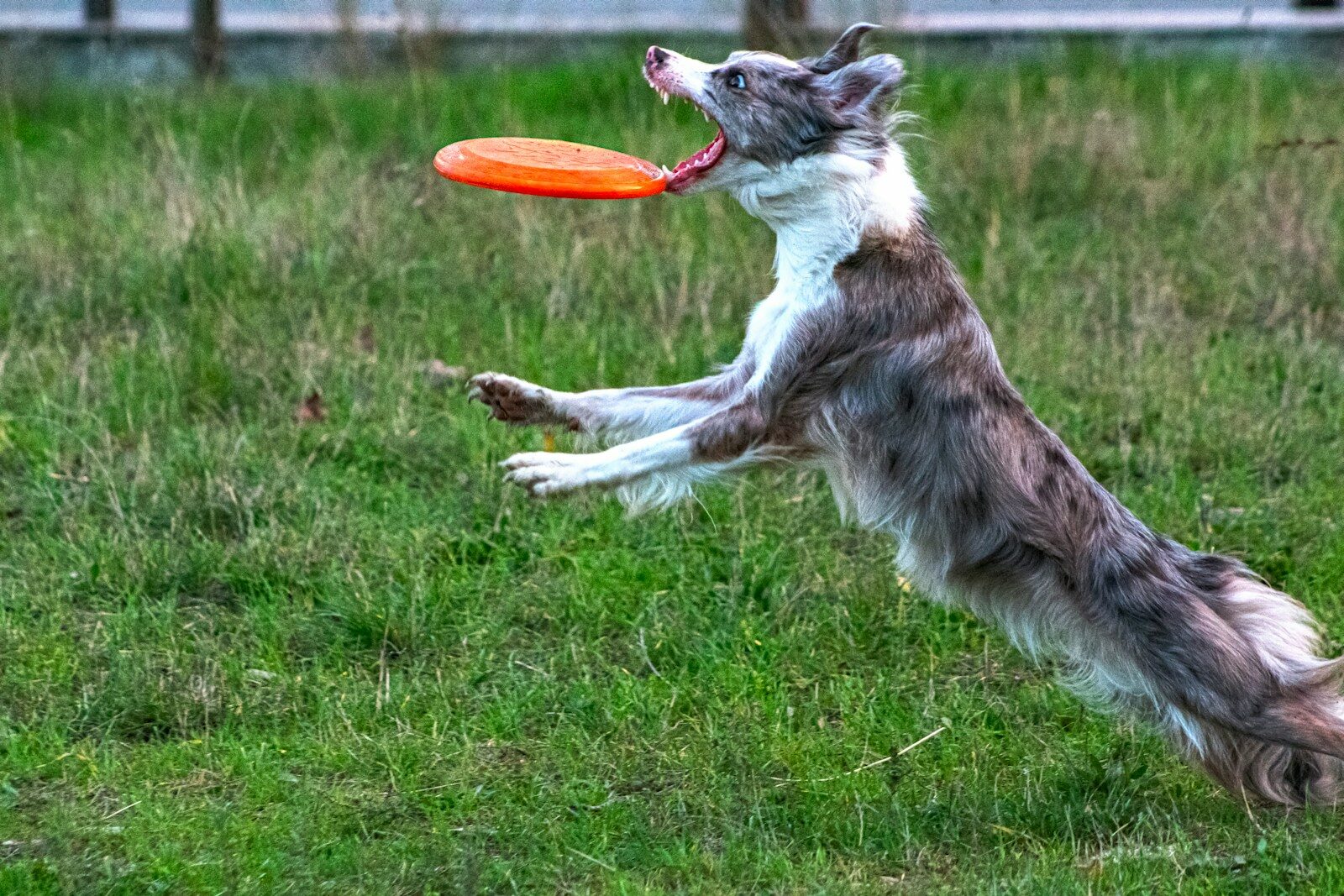
Dog agility training is a structured activity where a dog moves through an agility course made up of various agility obstacles.
These obstacles may include:
- Weave poles
- Jumps and tire jump stations
- The A-frame
- Teeter totter
- Pause table
- Tunnels and balance equipment
During a typical agility training session, the handler guides the dog through the obstacle course using verbal cues, body positioning, and clear communication.
Unlike traditional dog training, agility focuses on movement and coordination. Dogs must maintain focus, respond to instructions, and move confidently through each obstacle.
Many dog agility classes introduce these skills gradually so that dogs can build confidence while learning the fundamentals.
Although agility is often associated with agility competitions, it can also simply be a fun activity that strengthens the relationship between dogs and their owners.
Benefits of Agility Training
There are many reasons why agility training has become one of the most popular dog sports.
First, it provides excellent physical exercise. Running, climbing, jumping, and balancing all contribute to a dog’s overall strength and coordination.
But agility also provides something just as important: mental challenges.
Dogs must pay attention to their handler’s body language, follow verbal cues, and adjust their movements as they navigate each obstacle.
This combination of mental and physical work helps dogs stay engaged and focused.
Some of the biggest benefits of dog agility training include:
- Improved physical fitness
- Increased confidence
- Better responsiveness to commands
- Stronger communication between the dog and the handler
- A healthy outlet for energy
For many dogs, agility becomes a fun way to release energy while strengthening their bond with their owners.
Skills Dogs Develop Through Agility
One of the most valuable aspects of agility is the wide range of skills dogs develop during training.
Agility builds on basic obedience training, teaching dogs how to listen and respond even when they are excited or moving quickly.
Before starting agility, dogs should understand basic obedience commands such as:
- Sit
- Stay
- Come
- Focus on the handler
These foundational skills help dogs succeed once they begin navigating more complex obstacles.
As training progresses, dogs learn how to perform:
- Tight turns
- Distance work
- Controlled jumping
- Balancing on equipment like a wobble board
- Navigating weave poles
Over time, dogs learn how to move through an entire course with confidence.
Agility also improves a dog’s awareness of their body. Learning where to place their paws, balance on unstable surfaces, and move through obstacles strengthens coordination and physical control.
Dog Breeds and Agility Training
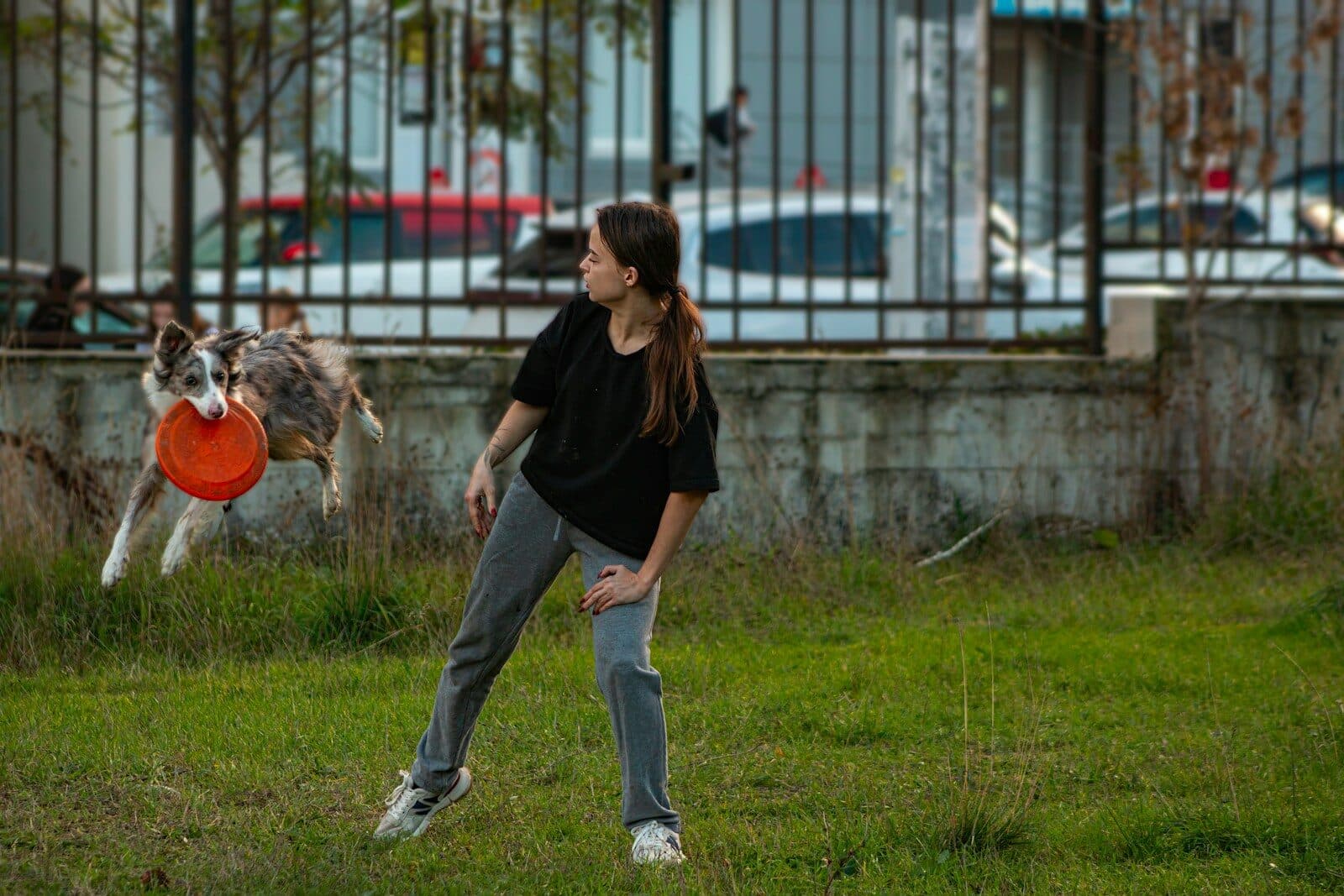
Certain dog breeds are commonly associated with agility, especially high-energy working dogs.
For example, Border Collies are well known for their speed and intelligence in agility competitions.
However, agility is not limited to specific breeds.
Many dogs can enjoy agility as long as the activity is appropriate for their size, age, and dog’s temperament.
Certain breeds may naturally excel due to their athletic ability, but agility can still benefit many dogs as a structured exercise activity.
For example:
- Young, energetic dogs often enjoy the challenge.
- Confident adult dogs can build stronger focus.
- Even some older dogs can participate with modified obstacles.
The key is introducing obstacles gradually and ensuring the activity remains safe and enjoyable.
Dogs with health issues or mobility limitations should always be evaluated before beginning agility exercises.
Agility Obstacles and Equipment
A typical agility course includes a variety of obstacles designed to challenge different physical skills.
Some of the most common agility obstacles include:
Weave Poles
Dogs weave quickly between a line of vertical poles, developing coordination and focus.
A Frame
The A-frame is a steep ramp where dogs climb up one side and descend the other, building strength and balance.
Teeter Totter
The teeter totter teaches dogs how to balance as the board shifts beneath them.
Tire Jump
A suspended ring that dogs jump through while maintaining speed and control.
Pause Table
Dogs jump onto a table and pause briefly, practicing control and patience.
Some trainers even create their own obstacles at home using simple materials like PVC pipes.
Basic Obedience Training Before Agility
Before beginning agility, it’s important that dogs have strong foundational training.
Basic obedience training helps dogs understand communication cues and respond reliably during movement.
Without these foundations, agility can become chaotic instead of structured.
Dogs should be comfortable with:
- Following the handler
- Responding to verbal cues
- Maintaining focus
- Waiting patiently before beginning an activity
These skills help create a smoother and safer agility experience.
How Structured Programs Help Dogs Thrive
While agility can be practiced casually, structured programs often provide the best results.
At Canine Cardio, we focus on structured activities that combine exercise, training, and confidence-building.
Programs that incorporate agility-style movements help dogs:
- Build strength
- Improve coordination
- Develop focus
- Release energy in healthy ways
Structured environments also ensure dogs learn gradually and safely.
Instead of overwhelming dogs with difficult obstacles immediately, we gradually increase the challenge as they build skill and confidence.
This approach allows many dogs to thrive.
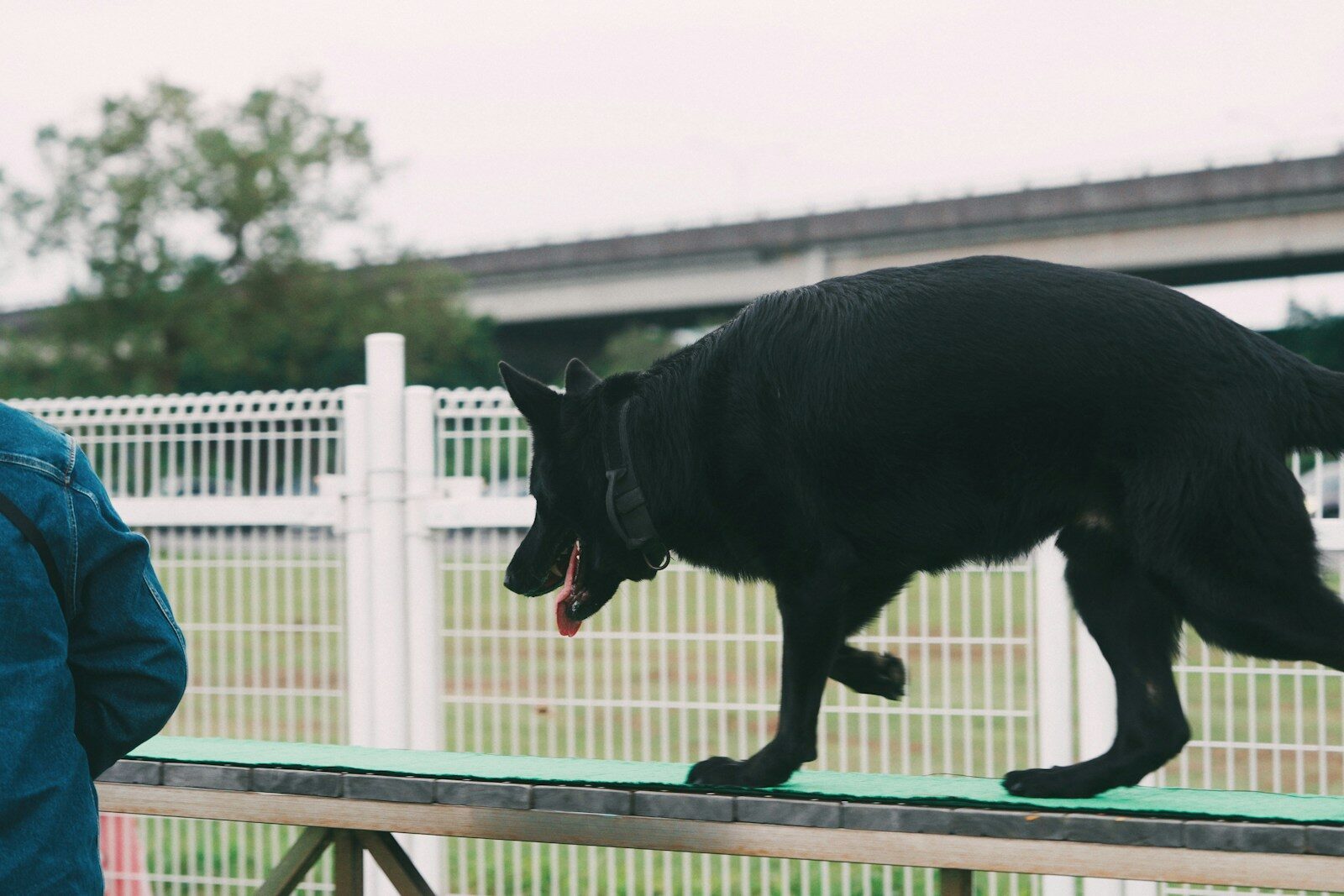
Opportunities for Agility Training
Dog owners in Alexandria and Arlington have growing opportunities to explore agility-style activities with their dogs.
Some people choose formal agility classes, while others incorporate agility obstacles into regular training routines.
Whether a dog eventually chooses to compete in agility competitions or simply enjoys agility as a fun game, the benefits can be significant.
Agility provides a structured way for dogs to move, think, and build confidence.
When dogs learn to navigate obstacles, respond to guidance, and work as part of a team with their handler, they gain skills that carry over into everyday life.
And that’s ultimately the goal of structured canine wellness: helping every dog become stronger, calmer, and more confident through purposeful activity.
Helpful Links and Resources for Non-Competitive Dog Agility Training
- American Kennel Club (AKC) – Agility Training Basics: Learn the fundamentals of agility training, including tips for beginners and how to get started with your dog. Visit AKC Agility Training Basics
- Dog Agility USA – Beginner’s Guide to Agility: A comprehensive guide for dog owners looking to introduce agility training as a fun activity rather than a competitive sport. Visit Dog Agility USA
- Whole Dog Journal – Agility Training for Fun: Explore articles and tips on how to make agility training enjoyable and stress-free for both you and your dog. Visit Whole Dog Journal
- Positively – Victoria Stilwell’s Dog Training Resources
Access positive reinforcement-based training techniques that can be applied to agility training. Visit Positively - YouTube – Non-Competitive Agility Training Videos
Watch free video tutorials and demonstrations on agility training for fun, featuring various dog breeds and skill levels. Visit YouTube Agility Training - PetMD – Benefits of Agility Training for Dogs: Discover the physical and mental benefits of agility training for dogs, even if you’re not aiming for competitions. Visit PetMD
- AgilityNerd – DIY Agility Equipment and Training Tips: Learn how to create your own agility equipment at home and find tips for training in your backyard. Visit AgilityNerd