Dog Grooming Tips: A Practical Guide for Healthy Dogs in Alexandria and Arlington
By Alex Crabill · March 26, 2026
Ready to Get Started?
Your dog deserves structured exercise, fun social enrichment, and a personalized fitness plan. Begin your journey today!
Get Started
Taking care of your dog’s appearance is only part of grooming. Regular grooming is an important part of maintaining a dog’s comfort, hygiene, and overall dog’s health. When done correctly, grooming helps keep a dog clean, supports healthy skin, and allows pet owners to spot potential issues early.
Many dog breeds have different grooming needs depending on their dog’s coat type, lifestyle, and activity level. Some short haired breeds may require only occasional brushing, while long haired dogs or double coated breeds often need more frequent care to prevent tangles and excess shedding.
Whether you’re caring for a furry friend at home or scheduling professional grooming, understanding a few essential dog grooming tips can help your dog stay comfortable and healthy year-round.
Why Grooming Matters for Dog Health
Regular dog grooming does much more than improve a dog’s appearance. It plays a key role in maintaining the health of your dog’s skin, coat, ears, teeth, and nails.
A healthy dog’s coat protects the skin and helps regulate body temperature. Brushing helps distribute natural oils throughout the coat, which keeps fur shiny and supports coat health.
Grooming also allows owners to monitor their dog for early warning signs of health issues, such as:
- Skin irritation
- Hot spots
- Flea dirt
- Skin infections
- Excessive scratching
During grooming sessions, owners can also examine their dog’s paws, dog’s feet, dog’s eyes, and dog’s ears to make sure everything looks healthy.
Routine grooming also helps reduce loose hair, remove dead hair, and prevent mats that can trap moisture against the pet's skin.
Essential Dog Grooming Tips
Establishing consistent grooming habits helps dogs stay comfortable and prevents many common problems.
Here are some practical dog grooming tips every owner should know.
Brush Your Dog Regularly
Dog brushing is one of the most important grooming practices. Regular brushing removes loose fur, helps remove dead hair, and keeps the dog’s fur smooth and healthy.
Different coats require different tools. Some helpful grooming tools include:
- A slicker brush for tangles and mats
- A bristle brush for smooth coats and silky coats
- A rubber brush for short-haired breeds
- Combs with fine teeth for detail work
Dogs with curly coats or luxurious coat types may require regular brushing several times a week.
Maintain Healthy Nails
Keeping a dog's nails trimmed is essential for comfort and mobility. When a pet's nails grow too long, they can affect the dog's gait and cause discomfort when walking.
Using nail clippers regularly helps keep nails at a healthy length. When trimming nails, keep styptic powder nearby in case of minor bleeding.
Many owners notice their dog's nails begin clicking on floors when they become too long. This is usually a good indicator that it’s time for trimming.
Care for Your Dog’s Teeth
Oral care is another important part of grooming. Keeping a dog’s teeth clean helps prevent gum disease, plaque buildup, and infections.
Use dog-safe toothpaste when brushing. Avoid using human toothpaste, which can be harmful to dogs.
Routine dental care helps protect the dog’s gums and supports long-term health.
Clean the Ears
Routine ear cleaning is especially important for dogs with floppy ears, since these ears can trap moisture and debris.
To clean the ears safely, use a gentle cleaning solution and a cotton ball. Avoid inserting anything deep into the ear canal.
Regular ear care helps prevent ear infections and keeps the dog’s ears healthy.
Bathe Your Dog Properly
Bathing helps remove dirt, oil, and debris from the dog's skin and coat. However, it’s important to use products designed specifically for dogs.
Avoid human shampoos, which can strip away natural skin oils and irritate sensitive skin.
When bathing your dog:
- Rinse thoroughly to avoid shampoo residue
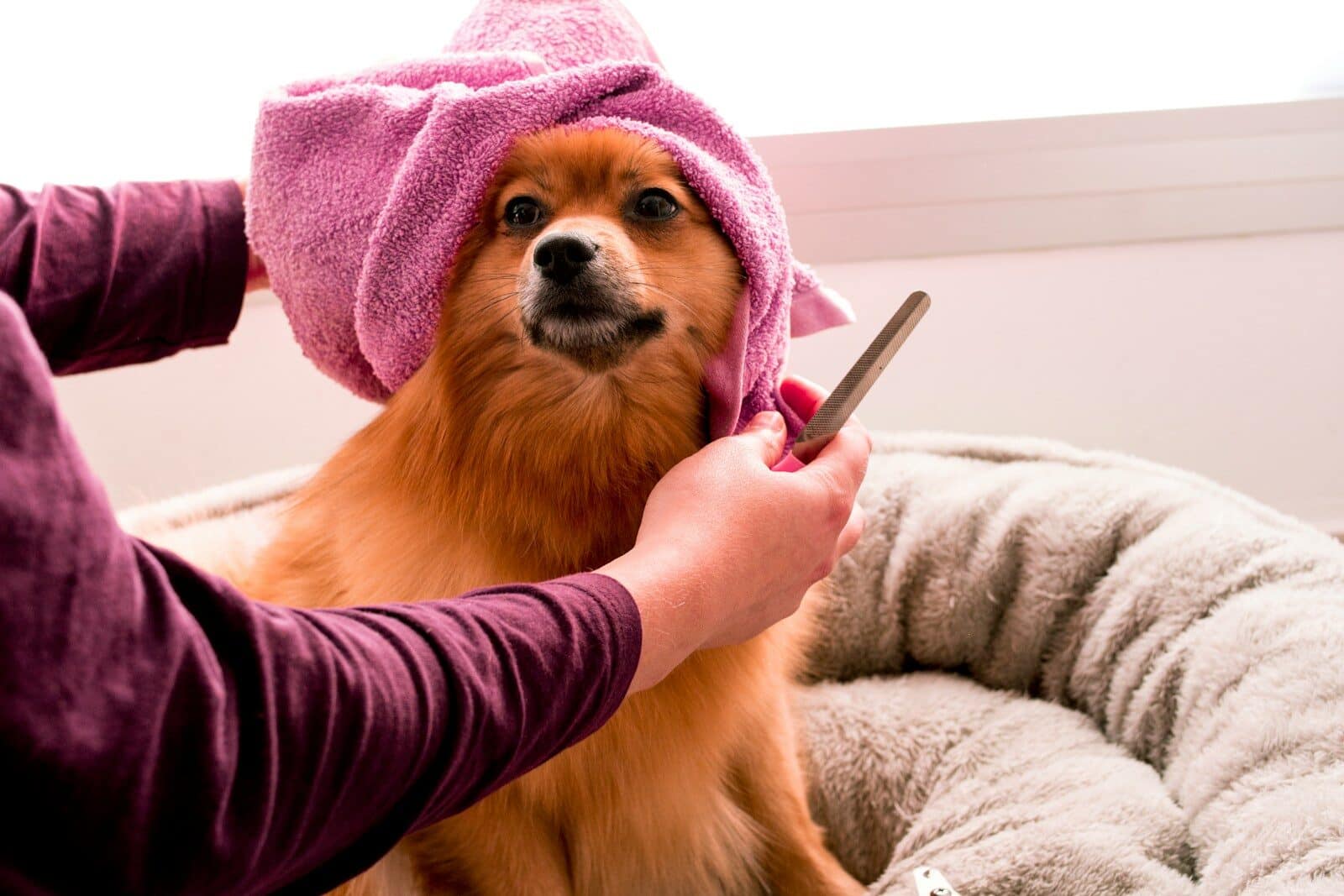
- Use a gentle towel or hair dryer on low heat
- Brush afterward to remove loose hair
Bathing too often can dry out the pet's coat, so it’s best to bathe dogs only when needed.
Grooming Mistakes Owners Make
Even well-intentioned pet owners sometimes make grooming mistakes that can cause discomfort for their dogs.
One common mistake is brushing incorrectly or using the wrong grooming equipment for a dog’s coat type. Each dog breed has unique grooming requirements, so understanding your dog’s dog’s coat type is essential.
Other common mistakes include:
- Skipping nail trimming
- Using the wrong shampoo
- Neglecting dog brushing
- Ignoring signs of skin irritation
- Forgetting to clean the ears
Another issue occurs when grooming is done too infrequently. Without regular grooming, mats and loose hair can build up quickly.
How Often Dogs Should Be Groomed
The frequency of grooming depends on several factors, including the dog’s breed, coat type, and lifestyle.
As a general guideline:
- Short-haired breeds may only require brushing once a week.
- Double-coated breeds may need brushing several times per week, especially during shedding season.
- Long-haired dogs may require daily brushing to prevent tangles.
- Dogs with fast hair growth may require more frequent trimming.
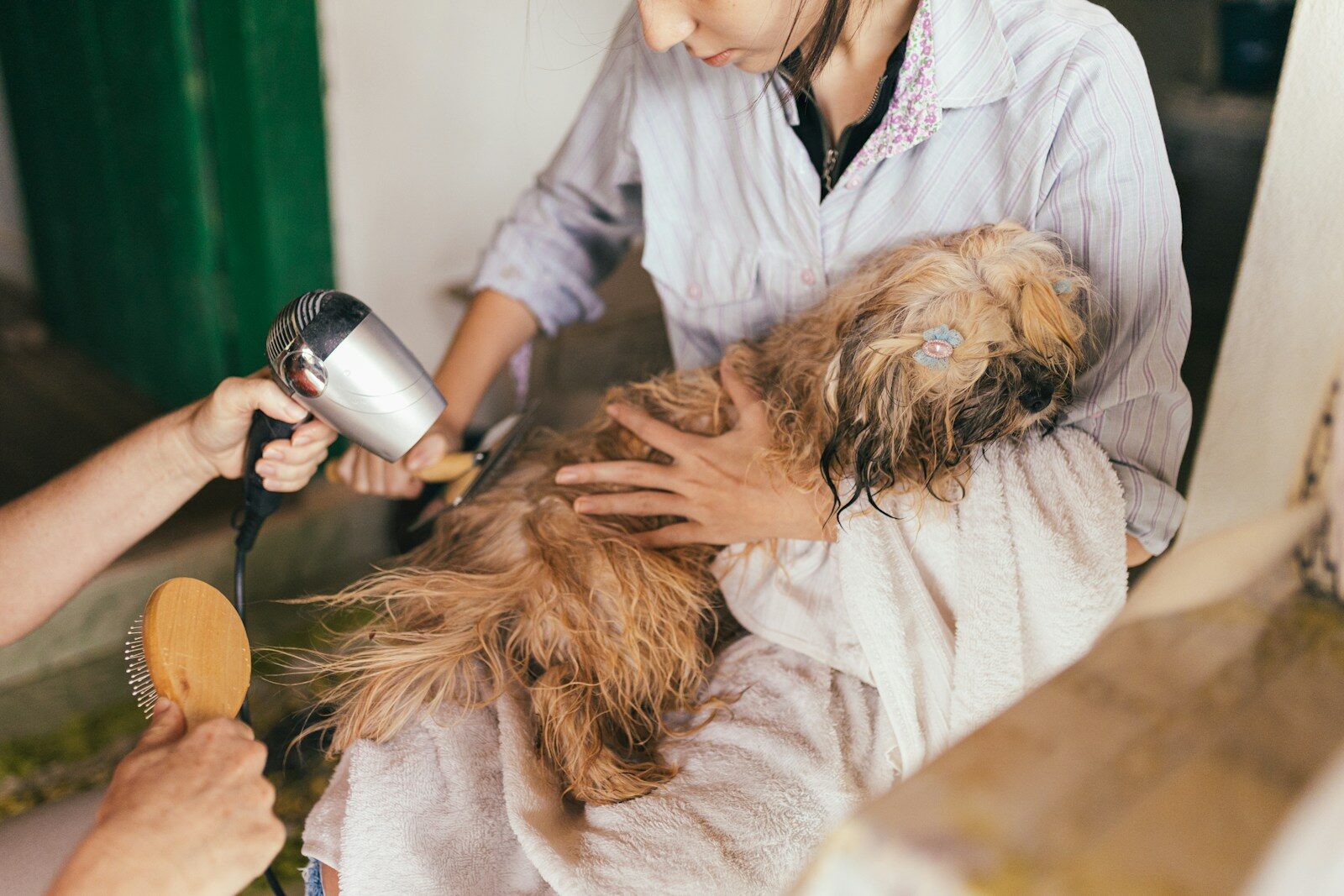
Certain breeds, such as Shih Tzus, require consistent grooming due to their long coats.
A balanced grooming routine typically includes:
- Weekly brushing
- Regular nail trimming
- Occasional bathing
- Routine ear cleaning
Maintaining this routine helps keep a dog comfortable and reduces the chance of skin issues.
When to See a Professional Groomer
While many grooming tasks can be handled at home, there are times when a professional groomer is the best option.
Professional groomers have specialized grooming tools, training, and experience that help them safely handle complex grooming needs.
You may want to visit a professional groomer if:
- Your dog has heavy matting
- Your dog has a double coat
- You notice skin infections or severe tangles
- Your dog becomes anxious during at-home grooming
- Your dog needs specialized trimming or styling
Professional groomers also use specialized grooming scissors, grooming tables, and other tools designed to make grooming safer and more efficient.
Routine professional grooming can also help maintain coat health and reduce excessive shedding.
Supporting Your Dog’s Overall Health
Grooming works best when it is combined with other aspects of dog care.
A healthy diet, proper exercise, and routine veterinary care all support a healthy coat and skin. The right dog foods can contribute to a shiny coat and stronger skin.
By maintaining a consistent grooming routine, pet owners can help their dogs stay comfortable, clean, and happy.
With the right grooming practices from Canine Cardio, regular brushing, and occasional professional care, your furry friend will not only look great but feel great too.
Helpful Links and Resources for Dog Grooming
- American Kennel Club (AKC) Grooming Tips: The AKC provides expert advice on grooming techniques, tools, and breed-specific grooming needs. Visit AKC Grooming Tips
- ASPCA Pet Care and Grooming: The ASPCA offers a comprehensive guide to pet care, including grooming essentials for dogs of all breeds. Explore ASPCA Grooming Resources
- PetMD Dog Grooming Guide: PetMD features articles on grooming basics, common grooming mistakes, and how to handle grooming anxiety in dogs. Check Out PetMD Grooming Guide
- The Humane Society of the United States: Learn about safe grooming practices and tips for keeping your dog comfortable during grooming sessions. Visit The Humane Society Grooming Tips
- Chewy’s Dog Grooming Advice: Chewy’s blog offers practical grooming tips, product recommendations, and step-by-step guides for at-home grooming. Read Chewy’s Grooming Advice
- Vetstreet Grooming Tips: Vetstreet provides professional insights into grooming routines, including nail trimming, ear cleaning, and coat care. Explore Vetstreet Grooming Tips
- Dog Grooming Tutorials on YouTube: YouTube hosts a variety of dog grooming tutorials from professional groomers, covering everything from basic grooming to advanced techniques. Browse Dog Grooming Tutorials on YouTube