Canine Teeth Care: Why Dental Health Starts with Grooming at Canine Cardio
By Alex Crabill · February 26, 2026

Ready to Get Started?
Your dog deserves structured exercise, fun social enrichment, and a personalized fitness plan. Begin your journey today!
Get Started
When most people think about dog wellness, they usually focus on exercise, diet, or grooming. But one of the most overlooked parts of a dog’s health is their canine teeth and overall oral hygiene.
Dental health plays a major role in a dog’s comfort, nutrition, and long-term wellness. Dogs rely on their teeth not only for chewing food, but also for playing, training, carrying toys, and exploring their environment. When dental issues develop, they can lead to pain, infection, and serious health problems that affect the entire body.
At Canine Cardio, we believe wellness should be approached from every angle. That includes grooming, exercise, and access to veterinary care. While grooming alone cannot replace a dental professional, it can help spot problems early and support better oral health before small issues become serious ones.
Why Canine Teeth Health Matters
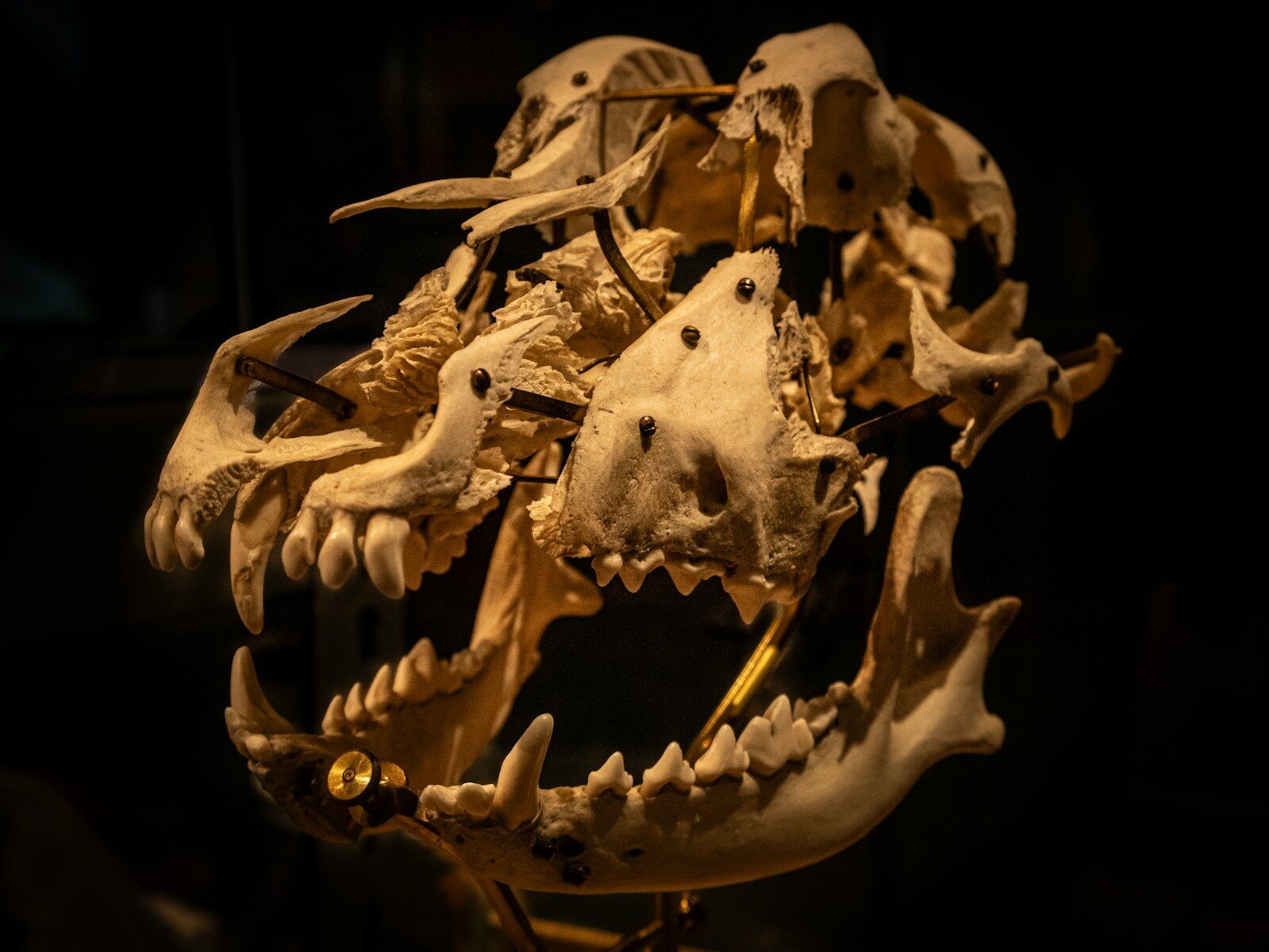
Dogs have several different types of teeth that serve different functions. Adult dogs typically have 42 permanent teeth, including incisors, premolars, molars, and the distinctive canine teeth often referred to as a dog’s fangs or eye teeth.
These four canine teeth are the long, pointed teeth located toward the front of the mouth. They include the upper canine teeth (also called maxillary canines) and the lower canines in the bottom jaw. Each canine tooth has a single cusp, a strong crown, and the longest root of any tooth in a dog’s mouth.
Because of their shape and strength, canines help dogs grip, hold, and tear objects. They also play a major role in how dogs interact with toys and chew items.
However, these teeth are also vulnerable to trauma, wear, and infection. Problems affecting canine teeth can lead to canine tooth pain, damage to the periodontal ligament, and even infections that reach the blood vessels, nerves, and surrounding bone.
Healthy teeth are essential for a dog’s comfort and ability to eat properly. Without good care, dental problems can quickly escalate.
Common Dental Issues in Dogs
Several dental conditions can affect dogs at different stages of life. Some issues start with baby teeth, while others develop later once adult teeth fully erupt.
Here are some of the most common dental problems seen in dogs.
Gum Disease
Gum disease is one of the most common oral health issues in dogs. It begins when plaque and bacteria accumulate around the gums and the outer surface of teeth.
If left untreated, this buildup can lead to inflammation, infection, and eventually damage to the structures that support the tooth.
Tooth Decay
While dogs experience tooth decay less frequently than humans, cavities can still occur. Bacteria can erode the enamel and dentin, leading to a cavity, infection, and sometimes damage to the pulp of the tooth.
Tooth Discoloration
Tooth discoloration can indicate underlying dental problems. Dark or stained teeth may suggest previous trauma, infection, or damage beneath the surface of the tooth.
Broken or Damaged Teeth
Dogs frequently chew on toys, bones, and hard objects. Sometimes this can lead to cracked or broken teeth, exposing sensitive inner structures and causing sensitivity, discomfort, or severe pain.
Misaligned or Retained Baby Teeth
Sometimes baby teeth do not fall out when they should. This can crowd the mouth and prevent adult teeth from forming in their proper position.
In certain situations, veterinarians may recommend a canine tooth extraction or other oral surgery to resolve the problem.

How Groomers Help Spot Early Problems
While a veterinarian or dentist should always perform professional dental care, groomers often play an important role in spotting potential issues early.
During routine grooming appointments, we spend a lot of time working closely around a dog’s face and mouth. That allows us to notice changes that might otherwise go unnoticed.
During professional grooming sessions, we may observe:
- Tooth discoloration
- Red or swollen gums
- Visible damage to canine teeth
- Signs of pain when the mouth is handled
- Missing or damaged teeth
- Unusual odor from the mouth
Early detection matters because dental problems can worsen quickly. If an issue is spotted, we can recommend that owners consult a dental professional or veterinarian before the condition becomes more serious.
Grooming also helps maintain general mouth hygiene, supporting good oral health and overall wellness.
Dental Care Checklist for Dog Owners
Good dental health requires a combination of at-home care, grooming support, and veterinary guidance. Dog owners can take several simple steps to protect their dog’s teeth.
Brush Teeth Regularly
Using a soft-bristle toothbrush designed for dogs can help remove plaque and food particles that accumulate around the teeth.
Schedule Regular Grooming
Regular professional grooming appointments help maintain hygiene and allow trained professionals to observe potential issues.
Provide Safe Chew Options
Safe chew toys encourage natural chewing behavior and help reduce plaque buildup.
Watch for Common Symptoms
Some common symptoms of dental problems include:
- Bad breath
- Difficulty chewing
- Dropping food
- Pawing at the mouth
- Visible swelling near the gums
If these signs appear, veterinary care may be needed.
Maintain Overall Wellness
A dog’s oral health is connected to diet, exercise, and overall care. Maintaining a healthy lifestyle helps prevent dental issues and other health problems.
On-Site Veterinary Wellness at Canine Cardio
At Canine Cardio, dental care is part of a broader wellness philosophy.
Having veterinary support integrated directly into the Canine Cardio environment allows us to help owners address health concerns earlier and more conveniently.
Through this partnership, dogs can receive:
- Vaccine clinics and medical evaluations
- Prescriptions and insurance-eligible care
- Acupuncture and laser therapy
- Rehabilitation and senior mobility programs
- On-call veterinary support and non-surgical first aid
- Educational wellness events for the community
This collaboration supports preventative care and early detection of health issues, including dental concerns. If we notice signs of canine tooth pain, infection, or other dental abnormalities during grooming, owners can quickly connect with veterinary professionals for guidance.
Providing veterinary wellness in a familiar environment also reduces stress for many dogs. Instead of visiting multiple locations, many wellness services can be accessed where dogs already feel comfortable and confident.
It is important to note that complex procedures such as oral surgery, overnight hospitalization, or advanced dental procedures are not performed onsite. However, our veterinary partners can help guide owners toward the appropriate care when needed.

When to See the Vet
While grooming and at-home care are helpful, some dental problems require veterinary attention.
You should consult a veterinarian if you notice:
- Persistent bad breath
- Swelling or bleeding around the gums
- Broken or cracked canine teeth
- Signs of severe pain when eating or chewing
- Difficulty closing the mouth or chewing food
In some cases, treatment may involve medications, deep dental cleaning, or procedures such as canine tooth extraction.
Addressing these issues early helps protect your dog’s health and prevents infection from spreading to other areas of the body.
Supporting Whole-Dog Wellness
At Canine Cardio, we believe wellness is not about focusing on one aspect of health. It is about supporting the entire dog.
Exercise, grooming, mental stimulation, and veterinary care all work together to help dogs live longer, healthier lives.
By paying attention to things like canine teeth, owners can prevent discomfort, protect oral health, and ensure their dogs continue enjoying their favorite activities.
Healthy teeth support healthy dogs, and that is a key part of the wellness approach we strive to provide every day.
Helpful Links and Resources for Canine Teeth Care
- American Veterinary Medical Association (AVMA) - Pet Dental Care: Learn about the importance of dental health for pets, including tips for brushing your dog's teeth and recognizing dental disease. Visit AVMA's Pet Dental Care Page
- American Kennel Club (AKC) - Dog Dental Health
The AKC offers advice on maintaining your dog's oral hygiene, including product recommendations and dental care routines. Explore AKC's Dog Dental Health Guide - Veterinary Oral Health Council (VOHC): The VOHC provides a list of approved dental products for dogs that meet their standards for reducing plaque and tartar. Check Out VOHC-Approved Products
- PetMD - Dog Dental Care Tips: PetMD offers a comprehensive guide to dog dental care, including how to brush your dog's teeth and signs of dental problems. Read PetMD's Dental Care Tips
- Humane Society of the United States - Pet Dental Health: This resource provides an overview of why dental health is essential for pets and how to keep your dog's teeth clean. Visit the Humane Society's Dental Health Page
- ASPCA - Dog Dental Health: The ASPCA shares practical advice on maintaining your dog's oral hygiene and preventing dental disease. Learn More on ASPCA's Website
- Fetch by WebMD - Dog Dental Care: Fetch by WebMD offers expert advice on dog dental care, including common dental issues and prevention tips. Explore Fetch by WebMD's Dental Care Guide