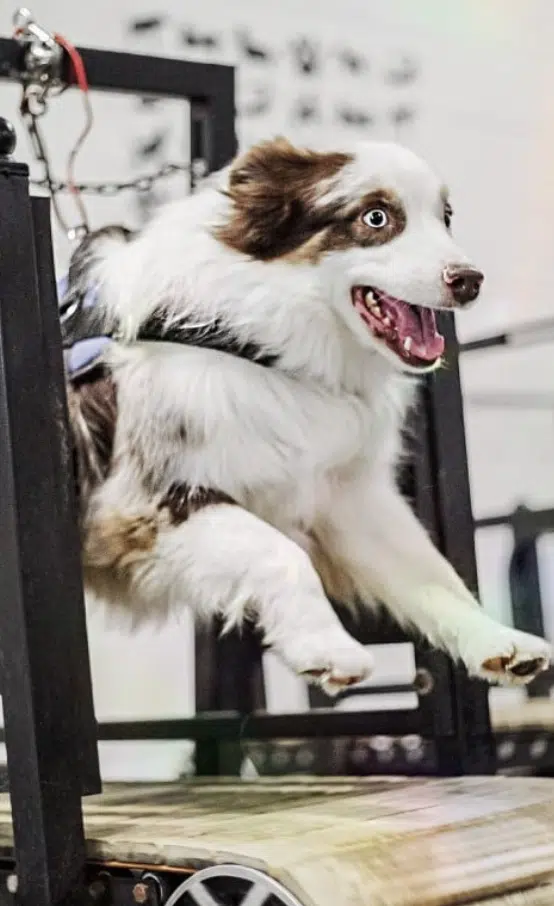
Are you looking for Winter dog grooming tips?
When I first started working with dogs professionally in Virginia nearly two decades ago, I noticed a pattern every time the temperature dropped. Owners would bundle up, walks would get shorter, and grooming routines would often fall by the wayside. The logic seemed sound: “It’s cold, so my dog needs that extra fur to stay warm,” or “We aren’t at the park as much, so they aren’t getting dirty.”
But after years of leading packs and running the Canine Cardio Gym, I’ve learned that winter is actually when a dog’s skin, coat, and paws are most vulnerable—especially for active dogs.
If your dog is training on our slatmills, running through snowy backyards, or hiking the trails along the Potomac, their grooming needs change drastically in the winter. The combination of freezing outdoor air and dry, artificial indoor heat wreaks havoc on their natural protective barriers. Plus, dogs that stay active need their bodies to be in peak condition to prevent injury.

Ready to Get Started?
Your dog deserves structured exercise, fun social enrichment, and a personalized fitness plan. Begin your journey today!
Get StartedAt Canine Cardio, we believe grooming isn’t just cosmetic maintenance; it is a foundational pillar of wellness and leadership. A well-groomed dog is a comfortable dog, and a comfortable dog is a calm, confident dog. Here is how to keep your active companion healthy through the Arlington winter.
Understanding Your Dog’s Coat Type Before You Start Grooming
Before you pick up a brush, you have to understand what you are working with. A dog’s coat type dictates the tools you use and how frequently you need to groom them.
In my experience, I see two main categories of dogs struggling in winter: double-coated breeds (like Labradors, Huskies, and Golden Retrievers) and hair-bearing breeds (like Poodles, Doodles, and Shih Tzus).
For double-coated dogs, the undercoat provides insulation. However, central heating in our homes often tricks their biology, causing them to “blow coat” or shed excessively even in January. If that dead hair isn’t removed, it traps moisture against the skin and prevents air circulation, leading to hot spots.
For hair-bearing breeds, the winter risk is matting. Snowballs stick to long hair on legs and bellies, and the friction from winter sweaters can cause painful tangles in the armpits. Understanding these differences is step one in being a proactive leader for your dog’s health.
For a deeper dive into breed-specific coat needs, the American Kennel Club’s guide to coat types is an excellent resource to help identify exactly what category your dog falls into.

Photo by benjamin lehman on Unsplash
The 7 Winter Dog Grooming Tips for Active Dogs
Maintaining your dog’s hygiene during the colder months doesn’t have to be a chore. It is an opportunity to bond and inspect your dog’s physical condition. Here are the 7 grooming steps we recommend for every active dog.
1. Brush Regularly to Protect the Dog’s Coat and Skin
Brushing is the single most important thing you can do for your dog in the winter. Many owners think they should leave the coat thick for warmth, but a matted or impacted coat actually offers less insulation because your dog’s fur creates gaps where cold air reaches the skin.
Regular brushing removes dead hair and dirt, but more importantly, it stimulates the skin. This action distributes natural oils throughout the dog’s coat, which acts as a protective barrier against the dry winter air.
Choosing the right tool is critical:
- Slicker Brush: Best for removing loose hair and detangling minor knots in curly or long-haired dogs.
- Bristle Brush: Great for short-haired dogs to smooth the coat and circulate oils.
- Comb: Essential for checking your work on long-haired dogs to ensure you’ve brushed all the way to the skin.
If your dog has been running hard at the gym or playing outside, brushing also acts as a gentle massage, supporting circulation and recovery after exercise.
2. Bathe With Purpose — Not Too Often
One of the most common dog grooming mistakes I see in winter is overbathing. It comes from a good place—you want your dog to be clean—but frequent washing strips the skin of those essential oils we just talked about. This leads to dry, itchy, flaky skin irritation, which causes your dog to scratch excessively.
When you do bathe your active dog, follow these protocols:
- Use Lukewarm Water: Hot water dries out the skin instantly. Keep it comfortable but not steamy.
- Select a Dog-Specific Shampoo: Never use human shampoo. A dog’s pH balance is different from ours, and human products are too harsh. Look for moisturizing dog shampoo specific formulas with oatmeal or aloe. PetMD offers a great breakdown of how to know your dog needs special or medicated dog shampoo.
- Rinse, Then Rinse Again: Shampoo residue is a major cause of winter itchiness.
If your dog gets muddy on a hike but isn’t smelly, consider just rinsing their paws and underbelly with water rather than doing a full shampoo scrub.
3. Dry Thoroughly Using the Right Tools
For active dogs, moisture is the enemy in winter. Whether they have been swimming in our heated pool or just sweating during a treadmill session, leaving a dog damp in cold weather is a recipe for trouble. Damp fur combined with body heat creates a perfect environment for bacteria and yeast growth.
If you are bathing at home or drying off after a snowy walk, use a blow dryer on a low heat setting. High heat can burn a dog’s sensitive skin easily.
At Canine Cardio, we practice calm leadership during drying. Do not force the dryer into the dog’s face. Start at the rear and work your way forward, keeping the energy low. If you aren’t sure which dryer suits your home setup, here is a guide all about grooming vacuums to help you decide
4. Trimming Your Dog’s Nails for Balance and Joint Health
I cannot stress this enough: nail trimming is not just about saving your hardwood floors; it is a health and safety requirement for active dogs.
In the winter, dogs are often walking on softer surfaces like snow or mud, or they are indoors on carpets. They aren’t naturally wearing their nails down on concrete as much as they do in summer.
Long nails change the angle at which the paw hits the ground. This forces the toes to splay out, putting stress on the ankles, knees, and hips. For a dog that does agility or slatmill work, this can lead to serious injury or early-onset arthritis.
Beginner Tips for Nail Trimming:
- Use sharp, high-quality nail clippers.
- Trim small amounts frequently (once a week is ideal) rather than waiting for them to get long.
- Always keep styptic powder on hand in case you nick the quick.
If you are nervous about cutting the quick, Washington State University’s veterinary guide provides excellent diagrams on the anatomy of a dog’s nail.
5. Paw Care for Cold Weather and Indoor Surfaces
Your dog’s paws take a beating in Arlington winters. They are exposed to freezing pavement, jagged ice, and worst of all, chemical de-icing salts. These salts can cause chemical burns and severe dryness, leading to cracked pads.
Furthermore, many active breeds grow long hair between their paw pads. In winter, this hair collects snow, forming painful ice balls that press into the foot. Indoors, that long hair covers the paw pad, meaning your dog has zero traction on tile or wood floors—like running in socks.
Paw Care Routine:
- Check paws daily for cracks or redness.
- Trim the hair between the pads so it is flush with the paw.
- Use a paw wax or balm before outdoor walks to create a barrier against salt.
- Wipe paws with a warm cloth immediately after walking on treated roads.
For more on the dangers of winter chemicals, check out the ASPCA’s warning on winter salts.
6. Clean Ears to Prevent Winter Ear Infections
You might associate ear infections with summer swimming, but winter is a prime time for ear issues, especially in dogs with floppy ears (like Hounds and Spaniels).
When active dogs exercise indoors or play in the snow, body heat gets trapped under those heavy ear flaps. Combined with winter moisture, this creates a dark, warm breeding ground for yeast and bacteria.
Make it a habit to check your dog’s ears weekly. Use a specific ear cleaning solution and a cotton ball to gently wipe the visible part of the ear. Never stick a Q-tip down into the ear canal; you risk rupturing the eardrum or pushing debris further down.
If you notice redness, a foul smell, or your dog’s head more than usual, consult your vet. VCA Hospitals has a comprehensive guide on proper cleaning techniques.
7. Teeth Cleaning as Part of Total Grooming Wellness
Grooming isn’t just about the outside; it’s about internal health too. Dental health is often overlooked until the dog has “doggie breath,” from dog foods, which is usually a sign of advanced dental disease.
Bacteria from the gum line can enter the bloodstream and affect the heart, liver, and kidneys—organs that need to be in top shape for an active dog.
Brush your dog’s teeth regularly using dog-specific toothpaste. Never use human toothpaste, as it often contains xylitol, which is toxic to dogs. If brushing is a struggle, start by letting them lick the toothpaste off your finger to build a positive association. For a list of approved dental products, the Veterinary Oral Health Council (VOHC) lists products proven to work.

Photo by Fiona Doan on Unsplash
Common Dog Grooming Mistakes I See All the Time
In my years of running daycare and training programs, I’ve seen thousands of dogs. Unfortunately, I see the same grooming mistakes repeated every winter.
The biggest mistake is waiting until there is a problem. Grooming should be proactive, not reactive. If you wait until the dog is matted to brush them, the experience will be painful, and your dog will learn to hate the brush. Groom your dog regularly!
Another issue is using the wrong grooming tools. I’ve seen owners trying to brush a thick German Shepherd coat with a flimsy finishing brush—it just doesn’t work.
Finally, rushing the process. Owners often try to squeeze grooming in when they are stressed or in a hurry. Your dog feels that energy. If you are frustrated, your dog will be anxious. Take a deep breath, slow down, and create a calm structure.
For a broader look at the benefits of getting a professional dog groomer, Cesar Millan’s site outlines the benefits of proper grooming that align perfectly with our philosophy of calm leadership.
How to Start Grooming Your Dog as a Beginner
If you have never groomed your dog at home, start slow. Do not try to do a full bath, blow dry, and nail trim in one day.
Start by touching your dog’s paws and ears while you are relaxing together. Reward them with a calm “good” or a treat when they accept the touch.
Keep your sessions short—five minutes of brushing is better than an hour-long wrestling match. Use positive reinforcement, but maintain your boundaries. If the dog pulls away, don’t immediately stop, or you teach them that pulling away works. Wait for a moment of calm, then release.
When in doubt, seek a professional. There is no shame in admitting a coat is too difficult for you to manage. Professional groomers can reset the coat, making it easier for you to maintain at home. AKC has some good tips on what to look for when hiring a pro.
Why Grooming and Exercise Go Hand-in-Hand at Canine Cardio
At Canine Cardio, we look at the whole dog. Grooming supports performance, recovery, and emotional balance.
When a dog comes to our gym for a slatmill run or agility work, we can immediately tell if their nails are too long because their traction is poor. We can tell if they are uncomfortable in their skin because they can’t focus on the task at hand—they are too busy itching.
Our structured programs are designed to expose these hidden problems. Because we handle the dogs intimately—checking paws after runs, drying them after swims—we notice lumps, bumps, and sore spots that owners might miss at home. We view grooming as an essential part of the “canine athlete” lifestyle.
Grooming as Leadership, Not Maintenance
Grooming is an act of care, structure, and responsibility. It is one of the most direct ways you can say to your dog, “I have got you. I am taking care of you.”
If your dog stays active through winter, grooming isn’t optional—it’s essential. By following these 7 tips, you ensure your dog is ready to hit the trail, the treadmill, or the snow with confidence.
If you want to learn more about keeping your dog healthy and active this winter, come visit us. Whether it’s for structured daycare, a workout in our fitness gym, or just a drink at Snouts & Stouts, let’s build healthier, calmer, more confident dogs together.