In my nearly two decades of working with dogs—from high-drive working breeds to beloved seniors needing gentle care—there is one health issue I see pop up more than almost anything else. It isn’t a broken bone or a dramatic injury; it’s the ear infection. Knowing when to seek dog ear infection treatment is imperitive.
It starts subtly. Maybe your dog shakes their head a little more vigorously than usual after a nap. Perhaps they lean into your hand a bit too hard when you scratch behind their ears. But for many dog owners in Northern Virginia, these small signs are the precursor to a significant medical issue that requires professional attention.
Ear infections are incredibly common, yet they are often misunderstood. Many dogs hide their pain instinctively, showing only the faintest signals that something is wrong before the discomfort becomes severe. By the time an owner notices a foul smell or discharge, the infection has likely been brewing for days or even weeks.
At Canine Cardio, my philosophy has always been that you cannot separate physical fitness from overall health. That is why we prioritize early detection and work closely with onsite veterinary professionals. We ensure the dogs in our pack receive timely care in a calm, familiar environment, rather than waiting until a medical issue becomes an emergency. This guide will help you recognize the symptoms, understand the root causes, and know exactly when to seek dog ear infection treatment in Arlington, Virginia.
Ready to Get Started?
Your dog deserves structured exercise, fun social enrichment, and a personalized fitness plan. Begin your journey today!
Get Started
Photo by Jon Sailer on Unsplash
What Causes Dog Ear Infections?
To understand why your dog is scratching at their ears, you first have to understand their anatomy. Unlike humans, who have a relatively short, horizontal ear canal, dogs have a canal shaped like the letter “L.” This vertical-then-horizontal structure is fantastic for hearing acute sounds, but it is terrible for drainage. It essentially creates a trap where fluid, debris, and heat can accumulate, creating the perfect dark, warm environment for bacteria and yeast to thrive.
While anatomy plays a major role, there are several underlying causes that trigger the actual infection. In my experience running our gym and daycare programs, I’ve noticed that environmental factors here in Arlington play a huge role.
Moisture Buildup
This is the most common culprit, especially during our humid Virginia summers. Whether it is from swimming, a bath that wasn’t dried properly, or just high humidity, moisture that sits in the ear canal softens the skin barrier, allowing infections to take hold.
Allergies
Many owners are surprised to learn that allergies—both environmental (like pollen or grass) and food-based—often manifest as ear problems first. If the skin barrier is inflamed due to an allergic reaction, the natural balance of the ear changes, leading to an overgrowth of yeast or bacteria. The American Kennel Club notes that skin allergies are a leading cause of chronic ear issues.
Ear Mites
While more common in puppies, ear mites are microscopic parasites that cause intense itching and produce a dark, coffee-ground-like discharge. They are a contagious ear disease and require veterinary intervention to clear.
Foreign Objects and Debris
I have seen dogs come in from a hike with a tiny grass seed or burr lodged deep in the canal. This irritation causes the ear to produce excess wax as a defense mechanism, which then traps more debris, leading to infection.
Breed Genetics
Dogs with floppy ears (like Cocker Spaniels or Hounds) or dogs with hairy ear canals (like Poodles) are naturally more prone to moisture buildup. The ear flap acts like a lid, reducing airflow and keeping the canal warm and damp.
It is vital to understand that treating the infection is only half the battle. If we don’t identify the underlying cause of chronic ear infections, the infection will simply return. Veterinary Partner explains that recurring infections often indicate a deeper systemic issue that needs to be addressed alongside the immediate symptoms.
Common Symptoms of an Ear Infection
Because I spend my days observing dogs in structured environments—watching them run on treadmills or interact in play groups—I often pick up on behavioral cues long before physical symptoms appear. A dog might be slightly less focused on the lure course, or they might be reluctant to have their collar put on.
However, for pet owners at home, there is a checklist of physical signs you should watch for. If you notice any of these, your dog is likely experiencing significant discomfort:
- Head Shaking or Tilting: This is usually the first sign. The dog is trying to dislodge the fluid or debris they feel inside the dog’s ear canal.
- Redness and Swelling: If you flip the ear flap over and the skin looks angry, hot, or swollen compared to the other ear, there is active inflammation.
- Foul Odor: A yeast infection often smells sweet or musty, while a bacterial infection can have a distinct, rotting smell. Ear odor is a hallmark sign that an infection is advanced.
- Ear Discharge: Healthy ears are pink and clean. Brown, yellow, or bloody discharge indicates a problem.
- Sensitivity to Touch: If your dog yelps, pulls away, or growls when you touch their ears, they are in pain.
- Scratching: Intense scratching at the ears or rubbing the side of the face along furniture or the carpet.
Left untreated, these infections can progress from the outer ear (otitis externa) to the middle (otitis media) or inner ear (otitis interna). This progression is painful and dangerous. According to PetMD, inner ear infections can lead to balance issues and even facial paralysis.
Why Early Treatment Matters
One of the biggest misconceptions I encounter is the idea that an ear infection might resolve on its own. Unfortunately, this is rarely the case. Because of that L-shaped canal, drainage is difficult, and the bacteria or yeast will continue to multiply without medical intervention.
Delaying veterinary care doesn’t just prolong your dog’s pain; it risks long term complications. Chronic inflammation can cause the outer ear canal to thicken and narrow (stenosis), making it nearly impossible to clean or medicate in the future. In severe cases, the eardrum can rupture, leading to permanent hearing loss.
Proper diagnosis is critical because not all infections are the same. A treatment plan for a yeast infection involves antifungal medication, while a bacterial infection requires antibiotics. If you use old leftover drops from a previous infection, you might be treating the wrong organism, or worse, using a medication that could damage the ear if the eardrum is compromised.
I have seen cases where early veterinary intervention prevented months of recurring issues. A quick swab, a look under the microscope, and the right prescription can resolve in ten days what might otherwise plague a dog for years. The Merck Veterinary Manual emphasizes that cytology (examining the discharge) is essential for effective treatment.
How Onsite Veterinary Care at Canine Cardio Helps
At Canine Cardio, we have built a model that bridges the gap between daily care and medical health. We know that taking a dog to a standalone vet clinic can be stressful. The sterile smells, the slippery tables, and the waiting room anxiety can make an ear exam a traumatic experience.
This is where our on-site veterinary support changes the game.
Because we have access to veterinary professionals right here, where your dog is already comfortable playing and exercising, we can offer dog ear infection treatment in a way that minimizes stress. If one of our Pack Leaders notices a dog shaking their head during daycare, we can have them evaluated quickly.
Faster Diagnosis in a Familiar Place
We don’t have to wait for an appointment opening three days from now. We can coordinate care immediately. The veterinarian can examine the dog in a space they know, often using our trainers to help hold and soothe the dog using the trust they’ve already built.
Collaborative Care
Our trainers and the veterinary team work together. If a dog is prescribed medicated ear drops twice a day, our staff can administer them during the dog’s daycare day or boarding stay. We ensure the treatment is consistent, which is the number one factor in successfully clearing an infection.
Reduced Stress
My philosophy has always been that wellness, behavior, and health are interconnected. A stressed dog heals more slowly. By handling medical needs in a calm, structured environment—rather than a high-stress clinic—we support the dog’s immune system and emotional well-being simultaneously. Fear Free Pets highlights how reducing stress during veterinary care leads to better medical outcomes.
Preventing Future Ear Infections In Dogs
Once we have treated the active infection, our goal shifts to prevention. While some dogs are genetically prone to ear issues, a consistent routine can drastically reduce the frequency of flare-ups.
Here is the prevention checklist we recommend to our clients:
Routine Ear Cleaning
Ask your veterinarian how often you should clean your dog’s ears. For some dogs, it’s weekly; for others, it’s monthly. Over-cleaning can actually cause irritation, so getting a professional recommendation is key.
Use the Right Products and Ear Cleaning Solution
Always use a vet-approved ear cleaning solution. Avoid homemade mixtures with vinegar or alcohol unless directed, as these can sting inflamed tissue. Washington State University provides a great guide on how to properly administer these solutions.
Dry Ears Thoroughly After You Clean Your Dog’s Ears
After baths, swimming, or even a walk in the rain, dry your dog’s ears. If your dog is a swimmer, talk to your vet about drying agents that help evaporate water from the canal.
Regular Wellness Checks
Schedule regular grooming and wellness checks. Our team checks ears as part of our routine evaluations to catch wax buildup before it becomes an infection.
Address Allergies
If your dog suffers from chronic infections, work with the vet to identify potential allergens.
Important Guidance
Never insert cotton swabs (Q-tips) deep into the ear canal. You risk packing debris further down against the eardrum. Use a cotton ball or a soft wipe to clean the visible folds of the external ear canal only.
Supporting Whole-Dog Wellness
Ear health is not an isolated system; it is part of your dog’s overall wellness. A dog that is physically fit, eating a balanced diet, and living with low stress will have a stronger immune system capable of fighting off minor bacterial overgrowth before it becomes a full-blown infection.
At Canine Cardio, our goal is not just treating ear infections—but long-term balance and confidence. Whether it is through our gym programs that boost circulation and health, or our onsite medical support that catches issues early, we are committed to helping your dog live their best life. Cornell University College of Veterinary Medicine supports the view that regular wellness care is the cornerstone of a long life.
Frequently Asked Questions
What tools should I use for healthy coat and ears?
Professional groomers use a variety of specialized tools to maintain a dog’s coat and hygiene. These typically include slicker brushes and de-shedding tools (like a Furminator) to remove dead hair. For nail care, they use nail grinders or heavy-duty clippers. Essential for hygiene are ear cleaning solutions and cotton balls, along with specific eye cleansers. High-velocity dryers are used to blast water out of the coat, and various scissors and clippers are used for styling. Groomers’ Mart offers a look at the standard professional equipment used in the industry.
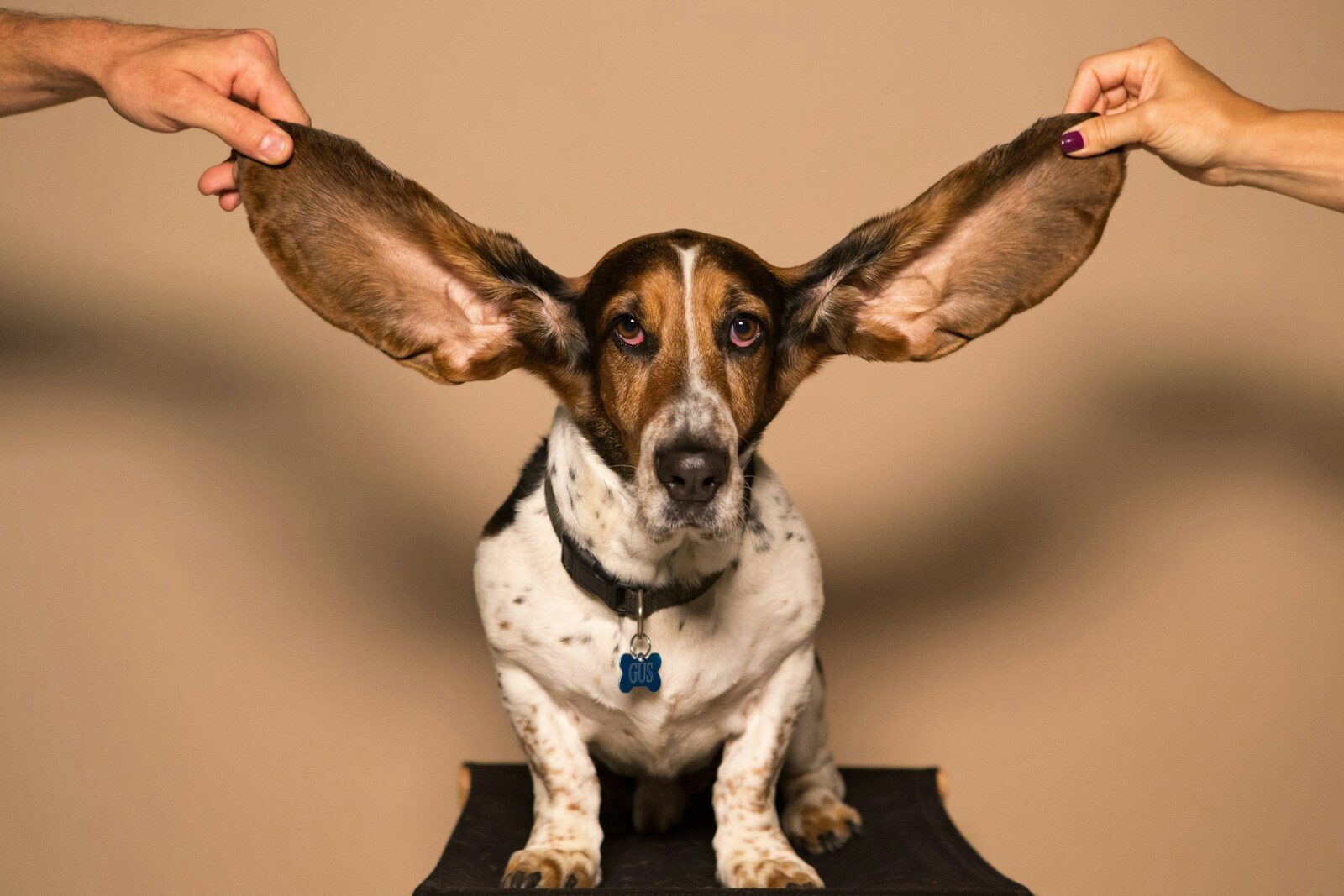
Photo by kyle smith on Unsplash
Let’s Keep Those Ears Happy
Ear infections are a painful reality for many dogs, but they don’t have to be a recurring nightmare. With early detection, consistent prevention, and the support of a professional team, they are highly manageable.
I encourage you to look at your dog today. Check their ears. Smell them. If you see anything that worries you, don’t wait. Whether it’s through our structured daycare or our onsite veterinary services, Canine Cardio is here to help your dog get back to feeling their best. We are here to help dogs live longer, healthier, more confident lives—from the tips of their tails to the inside of their ears.
Ready to support your dog’s total wellness? Contact Canine Cardio today to learn more about our onsite veterinary support and wellness programs.