

Many people assume that small dog breeds need very little activity. Because of their small size, it is easy to believe that little dogs can get all the exercise they need simply by walking around the house or spending time indoors.

Ready to Get Started?
Your dog deserves structured exercise, fun social enrichment, and a personalized fitness plan.
Begin your journey today!
In reality, that assumption can lead to boredom, frustration, and behavior issues for many dogs.
While some small breeds may have slightly lower exercise needs than certain working or sporting dogs, they still need regular activity, structure, and mental stimulation to stay healthy and balanced. Some of the smallest dogs actually have the biggest personalities, with energy levels that surprise many owners.
At Canine Cardio, we work with dogs of all sizes. Over the years, I have seen firsthand how structured activity helps small dogs build confidence, healthily burn energy, and develop calmer behavior at home.
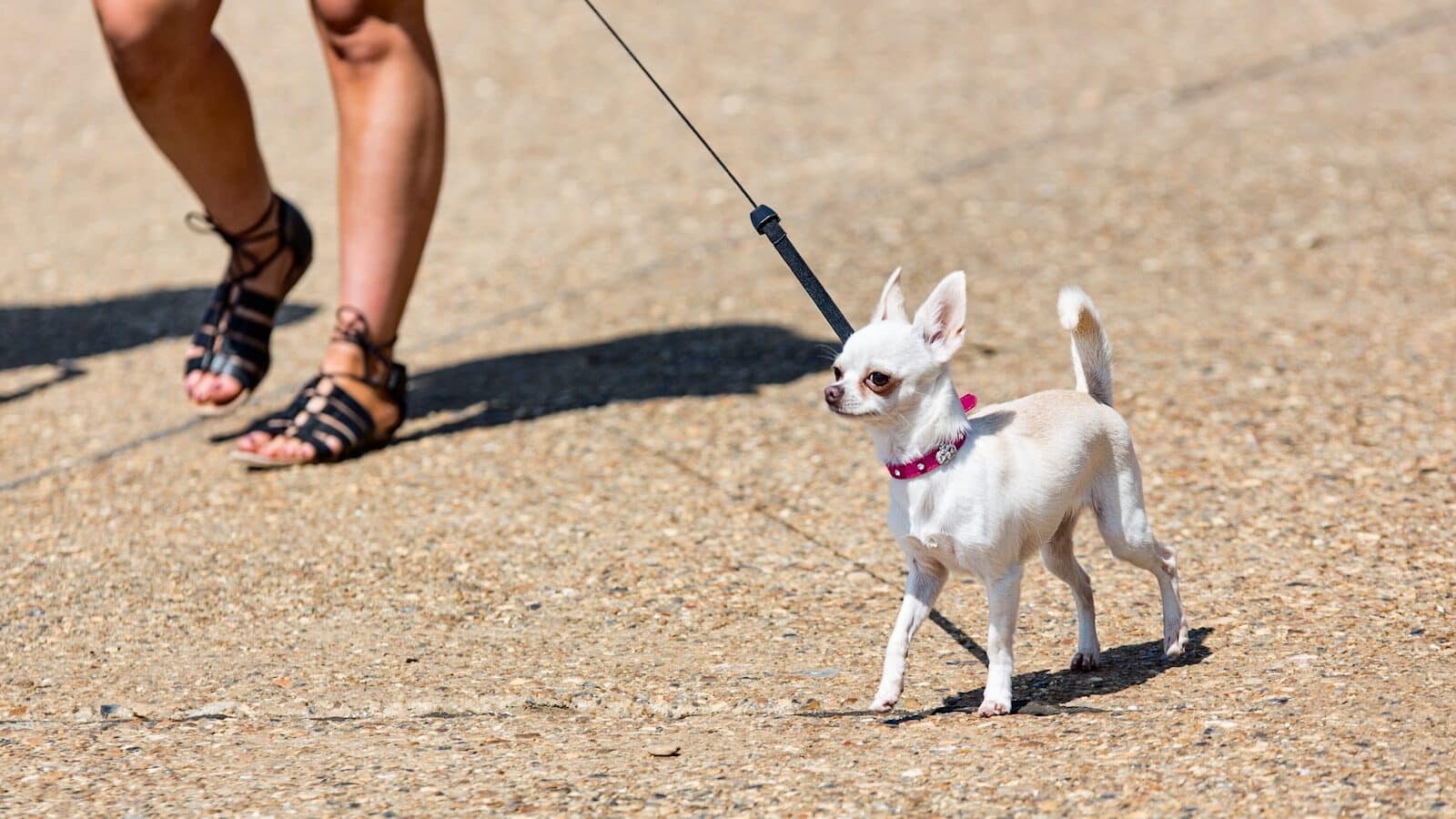
Photo by Mark Timberlake on Unsplash
Common Myths About Small Dog Breeds
One of the biggest misconceptions about small dog breeds is that they don’t need exercise.
Many people believe that because a small dog lives in smaller living spaces or apartment living, daily activity isn’t necessary. Others assume that because these dogs are often raised as companion dogs, they prefer lounging around the house all day.
While some dogs certainly enjoy relaxing with their favorite people, most dog breeds still require regular activity to stay physically and mentally healthy.
Without enough exercise, even cute dogs with a sweet personality can develop problems like:
- Excessive barking at strangers
- Destructive chewing
- Anxiety when left alone
- Difficulty following basic commands
- Frustration around other dogs or other pets
Even dogs that seem calm indoors often have natural curiosity and energy that need an outlet.
Why Small Dogs Still Need Structured Exercise
Exercise does more than burn off extra energy. It also supports physical health, emotional balance, and confidence.
For many small dog breeds, activity helps prevent common issues like weight gain, anxiety, and reactivity toward other dogs.
Many small dogs were originally developed through breeding dogs for specific purposes such as hunting, guarding, or alerting humans to movement. Because of this history, even a small breed may still have strong instincts and high energy levels.
Some examples include:
Yorkshire Terrier
Often called yorkies, these energetic dogs are curious, confident, and love exploring. Their long silky coat requires regular brushing, and they thrive when given both exercise and mental engagement.
Boston Terriers
Friendly and playful, Boston Terriers are known for their lively personality. They enjoy regular walks, indoor play, and opportunities to interact with humans and other dogs.
French Bulldog
With their adorable appearance and distinctive features, French Bulldogs are incredibly popular. While they may require slightly lower exercise, they still benefit from short activity sessions and mental stimulation to stay happy.
Dachshund
These curious little dogs were originally bred for hunting. Even though they are small, they often have strong personalities and plenty of energy.
Chihuahuas
Despite their tiny size, chihuahuas are alert, energetic, and deeply loyal to their favorite people.
Some toy breeds also enjoy activities like dog sports, agility-style play, and learning new skills. When properly trained and socialized, these smart, affectionate, and loyal dogs can become incredibly confident companions.
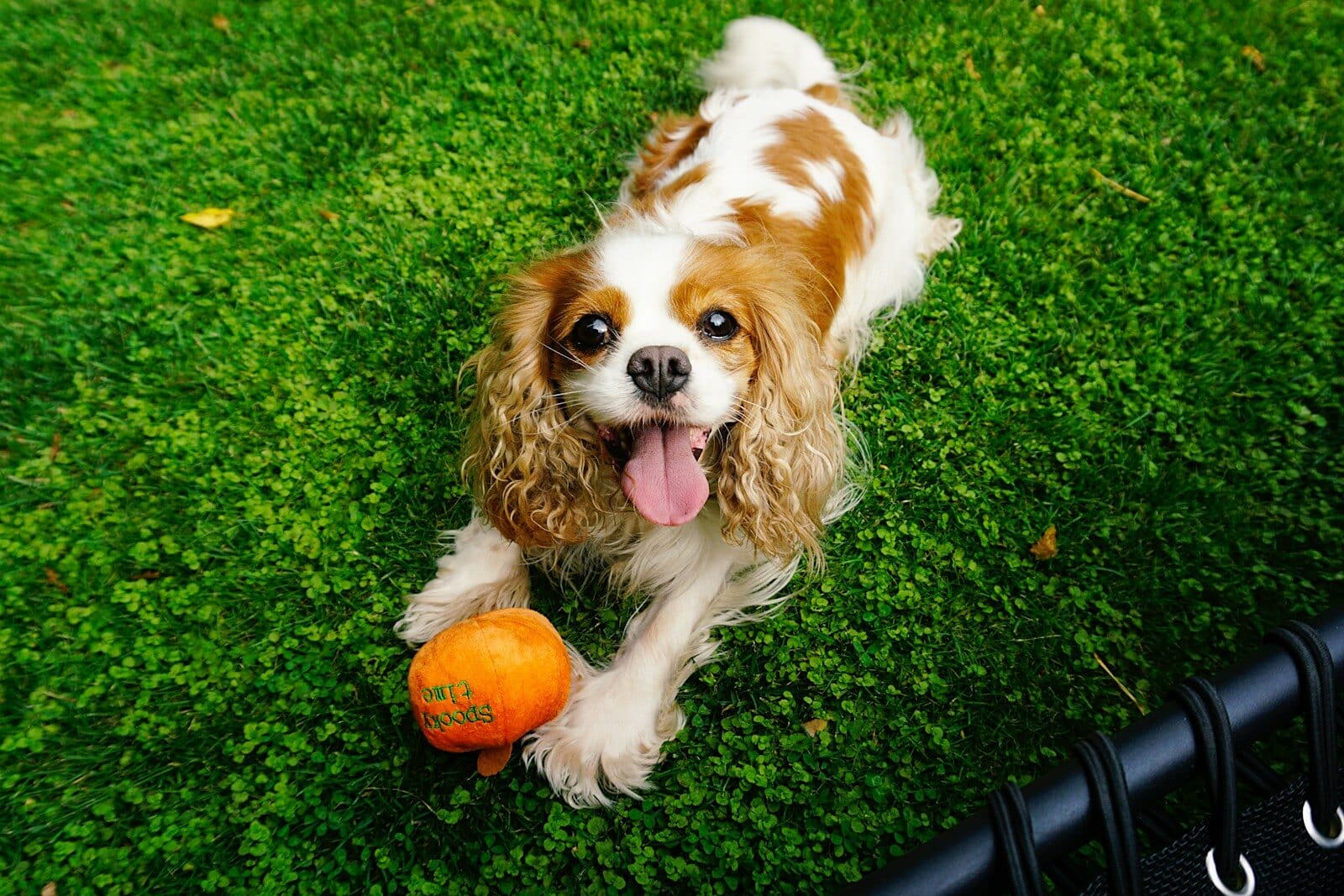
Photo by Ralf Sauter on Unsplash
Popular Small Dog Breeds with Big Energy
Many well-known small dog breeds combine a compact size with lively personalities. These dogs may adapt well to apartment life, but they still need daily movement and engagement.
Cavalier King Charles Spaniel
The Cavalier King Charles Spaniel, sometimes called King Charles, is known for its affectionate nature and love for human companionship. These dogs enjoy regular walks, gentle outdoor adventures, and plenty of attention from their family.
They are often considered wonderful companion dogs because of their gentle personality and adaptability.
Bichon Frise
The Bichon Frise, part of the Bichon family, is known for its playful attitude and fluffy appearance. Their fluffy coats require consistent grooming and regular brushing, but their cheerful personality makes them popular among families.
These dogs enjoy activity and interaction with humans, and they thrive with routine exercise.
Australian Terrier
The Australian Terrier is a lively and curious breed. Despite their small size, they are energetic and enjoy exploration. Their intelligence makes them responsive to training and basic commands.
Toy Poodles
Toy poodles are among the most intelligent small breeds. They are highly trainable, eager to learn, and benefit from activities that challenge both the body and mind.
Alaskan Klee Kai
The Alaskan Klee Kai resembles a miniature husky and has a bold personality. Even though they are smaller than their northern relatives, they still have strong instincts and can be quite energetic.
How the Canine Cardio Dog Gym Supports Small Dogs
At Canine Cardio, we created a structured environment where dogs of all sizes can release energy safely and productively.
Our dog gym is designed to help dogs move, learn, and build confidence through purposeful activity rather than chaotic play.
For small dogs, this kind of structure is especially valuable.
Some of the ways we support small dog breeds include:
- Controlled treadmill sessions that allow safe exercise
- Confidence-building obstacle work
- Social exposure with carefully selected other dogs
- Skill-based training that reinforces basic commands
- Enrichment activities that provide mental stimulation
These sessions help small dogs develop focus, improve fitness, and release excess energy in healthy ways.
Structured activity also prevents boredom, which is one of the most common causes of behavior issues in dogs.
Signs Your Small Dog Needs More Activity
Because of their size, it can be easy to underestimate how much activity small dogs really need.
If a dog is not receiving enough stimulation, certain behaviors may start to appear.
Common signs include:
- Constant barking
- Chewing or destructive behavior
- Hyperactivity indoors
- Difficulty settling
- Reactivity toward strangers, other pets, or other dogs
These behaviors are often not personality problems. Instead, they are signals that a dog needs more exercise, structure, or engagement.
With the right balance of exercise, enrichment, and training, many dogs quickly become calmer and more focused.

Photo by Sandro Schuh on Unsplash
Helping Small Dogs Live Big, Healthy Lives
One of the most rewarding things about working with dogs is watching them gain confidence through movement and structure.
Even though small dog breeds may not require as much space as larger dogs, they still deserve opportunities to run, explore, and challenge themselves.
When small dogs receive the right balance of exercise, training, and mental stimulation, they become healthier, happier companions.
At Canine Cardio, our goal is to help every dog — regardless of size — build strength, confidence, and emotional balance through purposeful activity.
Because when it comes to wellness, small size doesn’t mean small potential.


