Dog Training in Arlington, Virginia That Supports Better Behavior and Better Connection
By Alex Crabill · May 26, 2026

When I first started working with dogs nearly 20 years ago, I thought exercise was the answer to almost everything. If a dog was restless, I walked them longer. If they were bouncing off the walls, I added more activity. And while movement absolutely matters, years of hands-on work taught me something deeper: dogs do not just need activity. They need structure, calm leadership, and purpose.
Ready to Get Started?
Your dog deserves structured exercise, fun social enrichment, and a personalized fitness plan. Begin your journey today!
Get Started
I’m Brittany Schneller, founder of Canine Cardio, and that lesson shaped everything we do today. What began as outdoor walking and enrichment grew into a full approach to structured canine wellness because I kept seeing the same pattern. Dogs did not truly change when they were simply tired. They changed when they felt guided, understood, and balanced.
That is why my approach to dog training in Arlington, Virginia, is about much more than teaching a sit, down, or place command. Real training helps improve your dog’s behavior, but it also strengthens your relationship. It gives both dogs and humans better communication, more trust, and a calmer way to move through daily life together.
If you are dealing with frustration at home or on walks, now is the time to seek real behavior support before those patterns become harder to change.
Why Dog Training in Arlington, Virginia Matters
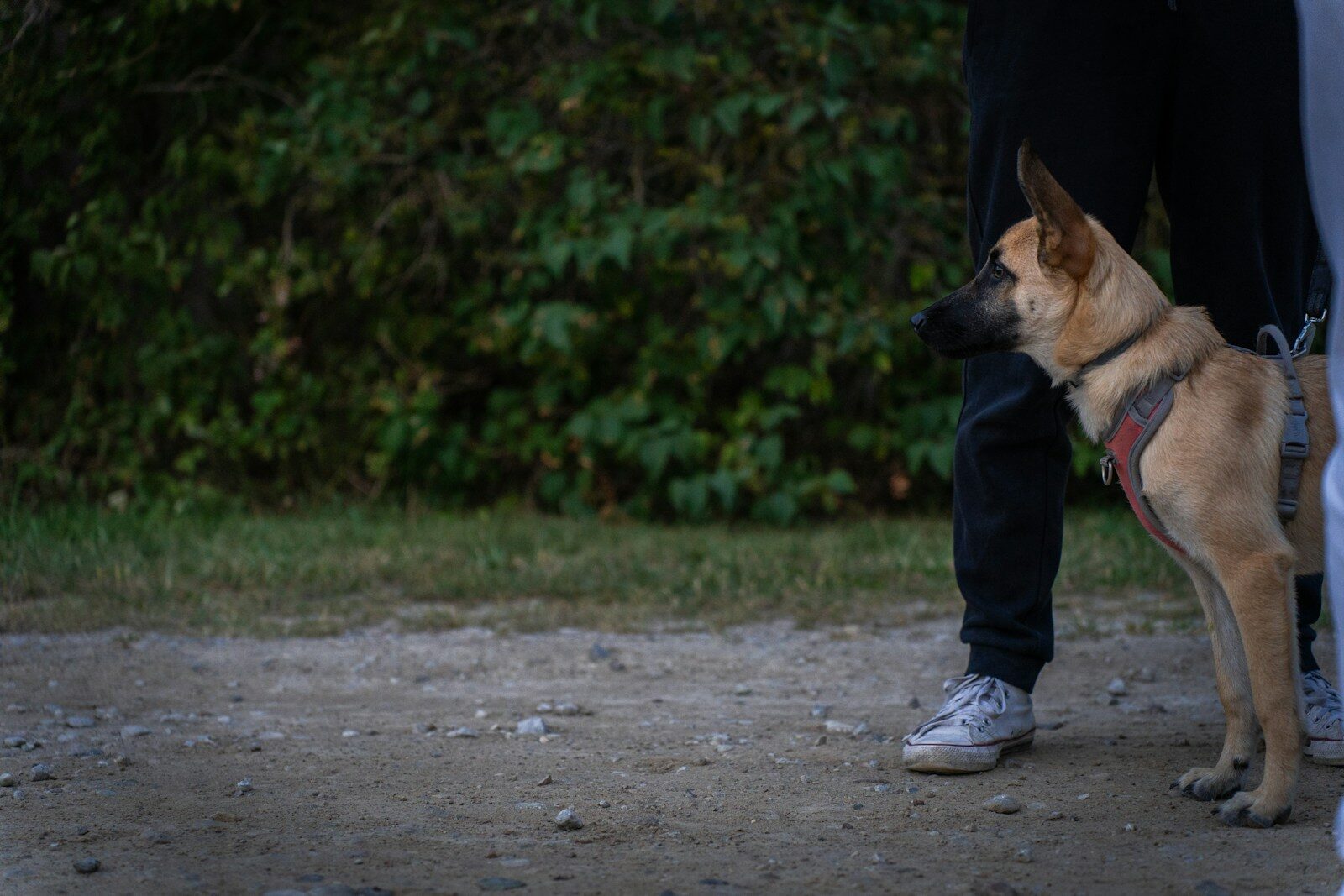
Dogs living in Arlington, Falls Church, and across Northern VA deal with constant stimulation every day. Busy sidewalks, apartment hallways, delivery trucks, loud sounds, squirrels running across walking paths, close neighbors, and crowded public spaces can create stress that many dogs are not naturally prepared to handle.
That is why small behavior issues often grow over time. A little leash pulling can turn into lunging during walks. Barking at noises outside the apartment can become nonstop alert behavior. An excited beagle may struggle to settle, while an anxious rescue dog may freeze or panic in a busy location filled with distractions.
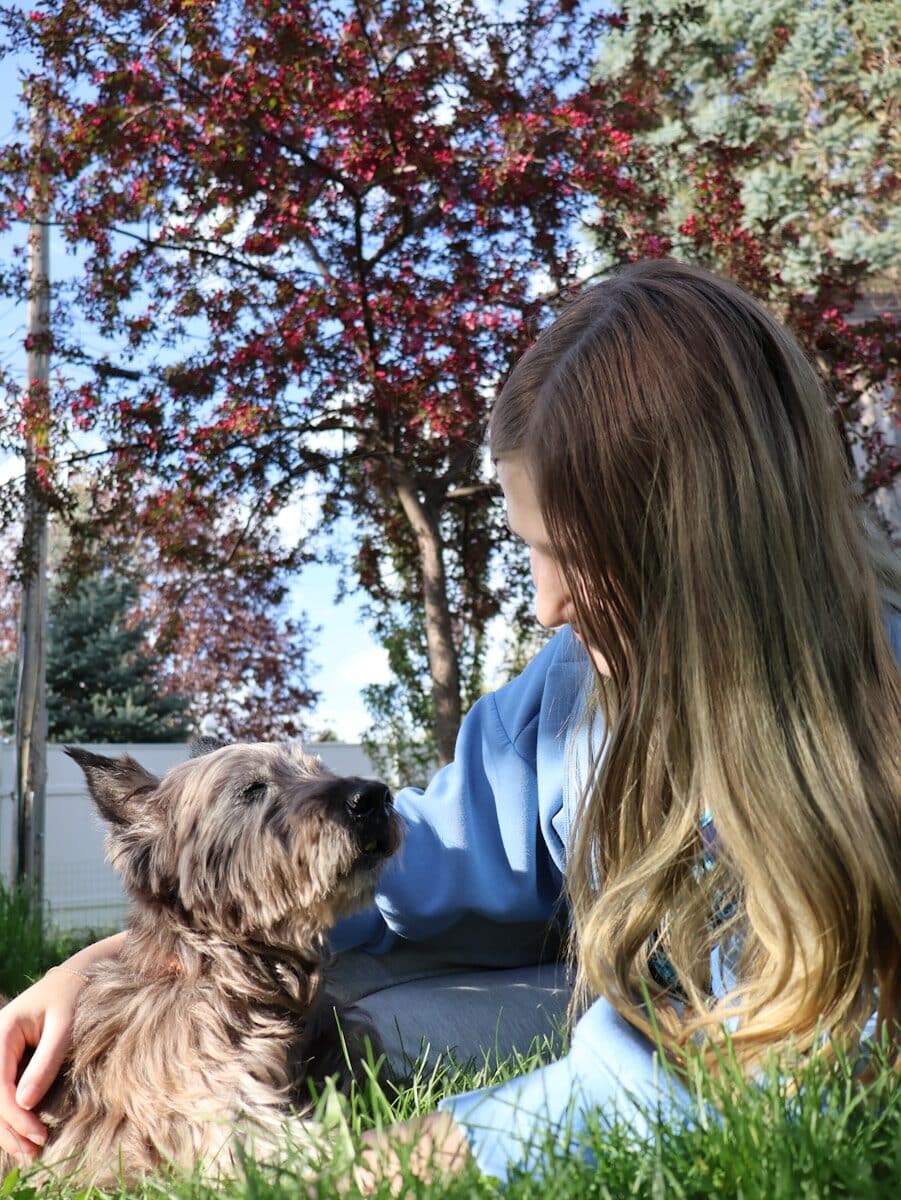
I have worked with all kinds of dogs throughout Northern Virginia, from young pups still learning structure to older dogs carrying fear, confusion, or frustration. I have also worked with families in every stage of life, including a wife and husband balancing busy schedules, a person raising their first dog, or a young girl learning how to build confidence with her pet.
Many owners come to me feeling exhausted because daily routines no longer feel manageable. Walks become stressful. Visitors feel overwhelmed. Even simple moments at home can feel chaotic. That is where the right training can become a real lifesaver for both dogs and their families.
At Canine Cardio, I focus on helping dogs build calm behavior through structure, consistency, motivation, and healthy routines. Training is not about punishment. It is about giving dogs the resources, guidance, and support they need to make better choices in the real world.
Whether a dog struggles with anxiety, leash reactivity, overexcitement, or poor focus around other dogs, good things can happen when the entire team works together with patience and clear communication. I have seen dogs that once barked nonstop or pulled hard on the leash learn how to move through the world with more confidence and calm.
That transformation is what motivates me every day. My goal is to help dogs and their owners enjoy life together again while creating healthier habits that last far beyond a single training session.
My Approach to Dog Training
At Canine Cardio, I believe dog training should create calm confidence, not chaos. My goal is not to force obedience or create a robotic pet. I focus on helping dogs learn how to move through real life in a healthier, more balanced way.
That is the foundation behind our Train for Reality™ approach.
Dogs are not living in perfect training environments. They are walking through busy Northern Virginia neighborhoods, passing other dogs on the leash, hearing loud noises, greeting visitors, and dealing with everyday distractions. That is why I focus on practical training that works in the real world.
Whether I am working with a young pup, a reactive rescue, or a family pet struggling with anxiety or impulse control, my goal is always the same: help dogs become calmer, more focused, and more confident.
I believe dogs learn best when they feel safe, supported, and clear about expectations. That takes patience, repetition, consistency, calm communication, and positive structure from the entire household.
Exercise alone is not always the answer. A tired dog can still feel anxious or overstimulated. Dogs also need emotional balance, mental engagement, rest, structure, and clear leadership. That is why my training philosophy focuses on the full picture of canine wellness, including:
- purposeful movement
- mental engagement
- emotional regulation
- confidence building
- rest and decompression
- healthy routines
- clear boundaries
Every dog and family is different. Some dogs benefit from private training, while others grow through structured group classes. No matter the situation, I focus on creating realistic habits that improve life for both dogs and their owners.
At Canine Cardio, training is not about perfection. It is about helping dogs thrive physically, mentally, and emotionally while building stronger relationships with the people who love them.
In-Home Dog Training Creates Real-World Progress
One of the most effective ways to work through behavior concerns is through in-home dog training. Dogs often behave very differently at home than they do in a training facility. Home is where patterns live. It is where barking starts at the door. It is where guests come in. It is where leash frustration builds before the walk even begins. It is where boundary issues around furniture, beds, or personal space often show up.
With in-home dog training, I can see the dog in their familiar setting and address the behavior where it actually happens. That gives us a clearer picture and a more practical path forward.
In-home sessions can help with:
- barking at the door
- jumping on guests
- leash frustration before walks
- pulling in the neighborhood
- guarding furniture or the bed
- difficulty settling into the house
- anxiety tied to the home environment
- transitions for puppies, rescues, or newly adopted dogs
This kind of training also helps owners build better habits alongside their dog. That part matters just as much as the dog’s progress. Training is never only about what I teach in a session. It is about what the family can maintain through routines, consistency, and everyday leadership.
For busy professionals and families in Arlington and nearby areas, that practical support can be a game-changer.
What a Dog Trainer Actually Does
A skilled dog trainer does much more than teach commands. My job is to look at the full picture of the dog in front of me and understand why a behavior is happening, not just how to stop it in the moment.
That means evaluating things like:
- behavior patterns
- fear responses
- aggression triggers
- leash skills
- confidence levels
- energy regulation
- environmental stress
- communication between dog and owner
I also look at the dog’s age, breed, history, rescue background, household routine, and family lifestyle. No two dogs are exactly alike, and no training plan should be either.
Sometimes owners come to me feeling like they have already tried everything. In reality, they usually have not failed. They have just not been given the right structure or the right process. Training is not a quick fix. It is a relationship-based system that builds trust over time.
In some cases, behavior concerns may also involve health or anxiety factors that require support from a vet. Good training should always be honest, thoughtful, and centered on the dog’s well-being.
When dogs are led clearly and consistently, they begin to understand what is expected. That clarity builds trust. And trust is what leads to lasting progress.
Why Structured Daycare and Training Work Better Together
One of the biggest mistakes I see in the dog world is the idea that chaos equals enrichment. It does not. A free-for-all environment may look fun at first, but many dogs become overstimulated, anxious, reactive, or pushy when there is no structure guiding the day.
That is why I believe training and structured daycare work so well together.
At Canine Cardio, we use trainer-led routines, purposeful movement, controlled socialization, and decompression to help dogs practice better habits throughout the day. Instead of nonstop arousal, dogs experience a rhythm that supports balance. That may include treadmill work, guided activity, calm pack movement, rest cycles, and recovery time.
This kind of environment helps reinforce:
- focus
- leash skills
- recall
- social awareness
- emotional control
- calm behavior around other dogs
- better decision-making
Dogs need boundaries just as much as they need exercise. They need rest just as much as they need stimulation. When daycare supports training instead of disrupting it, dogs tend to make faster and more stable progress.
Good Manners Create More Freedom
When people hear the phrase good manners, they sometimes think of rigid obedience. That is not how I see it. Good manners are what make more freedom possible.
A dog with better manners can enjoy more of life safely and calmly. That includes:
- walking politely on a leash
- greeting people without jumping
- waiting at the doors
- settling in public spaces
- staying focused around distractions
- moving calmly through family routines
These skills matter in everyday life. They matter during walks in Arlington. They matter when guests come over. They matter in daycare, at the vet, in a café setting, and during family outings. They help dogs feel more successful, and they help owners feel more confident.
Progress does not require perfection. It requires consistency, communication, and the willingness to teach in a calm and fair way.
Serving Arlington, Falls Church, and Northern Virginia With Purpose
Across Arlington, Falls Church, and the greater Northern Virginia area, I am seeing more dog owners look for something beyond basic obedience. They want behavior support that improves daily life. They want dogs that are not just tired, but calmer. Not just managed, but understood. Not just corrected, but guided.
That is exactly why Canine Cardio exists.
Our work is rooted in structured wellness. We combine training, movement, enrichment, and leadership to help dogs build real-life skills and better emotional balance. Whether a dog needs support at home, guidance on walks, more confidence around other dogs, or a more structured daytime environment, the goal is always the same: lasting transformation that supports both better behavior and better connection.

Better Dog Training Creates a Better Life
The best training does more than teach commands. It changes the way a dog experiences the world. It makes daily walks easier. It reduces stress at home. It helps dogs feel more confident, more focused, and more secure. And it helps owners feel connected to their dogs in a clearer, calmer way.
That has always been my mission at Canine Cardio. Through structure, calm leadership, purposeful movement, and behavior-based support, I help dogs build the kind of balance that lasts.
If your dog is struggling with pulling, barking, anxiety, reactivity, or everyday manners, do not wait for those issues to grow. With the right guidance, dogs can learn, improve, and thrive.
Help your dog thrive with structure, confidence, and purpose. Book a training session with Canine Cardio and start the process of real behavioral transformation today.