

After nearly two decades of training dogs across Northern Virginia, I’ve learned that the right dog treat can make training easier, more engaging, and more effective. Treats aren’t just snacks they’re a way to communicate with your dog and reinforce good behavior.
The best treat depends on your dog’s age, size, health, food sensitivities, motivation, and the type of training you’re doing. A puppy may prefer small, soft treats, while a dog practicing recall around distractions may need a higher value reward.
I also recommend keeping treats to about 10% of your dog’s daily calories and checking every ingredient label. Xylitol is extremely toxic to dogs, so avoid any product containing it.
At Canine Cardio, treats are one part of our Train for Reality approach. We use rewards to build motivation and understanding while keeping structure, consistency, and leadership at the center of training.
In this guide, I’ll share five types of treats I recommend and how I use them to help dogs succeed.
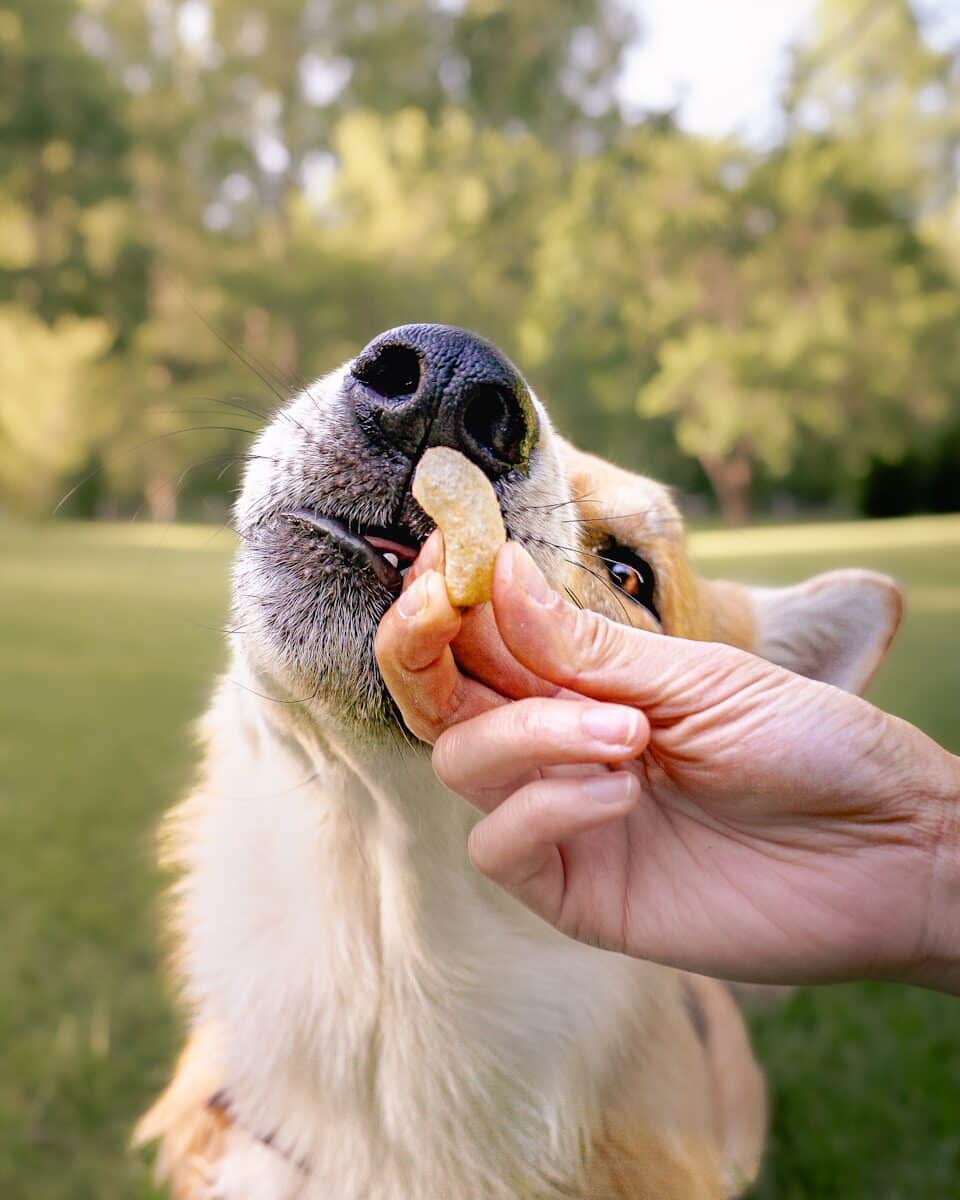
Photo by Dogfluence.com on Unsplash
Freeze Dried Dog Treats: High Value Rewards for Training
After years of training dogs, freeze dried dog treats remain one of my favorite rewards. Many dogs love their rich flavor and aroma, making them a good option when I need to motivate a pup during challenging training or around distractions.
I especially like freeze dried treats because they’re convenient, easy to carry, and often made with a single protein source. You can find options such as chicken, beef, turkey, duck, and lamb, which gives pet parents more choices when dealing with food sensitivities or allergies.
I often use freeze dried treats for:
- Teaching new commands and tricks
- Recall and impulse control
- Place and heel training
- Loose leash walking
- Rewarding good behavior
- Behavior modification
My biggest tip is to keep the pieces small. A pea sized bite is usually enough to reward your dog without overfeeding. Always check the bag for ingredients, especially if your pet has food allergies, and talk with your vet about the best treats for specific dietary needs.
Takeaway: Freeze dried dog treats are a healthy, convenient, high value reward that can help motivate your dog and make training more effective.

Soft Dog Treats Great for Puppies, Seniors, and Repetitive Training
Some of my most productive training sessions happen with a simple bag of soft treats. Their texture makes them wonderfully convenient, and that matters more than most people realize.
Soft treats break easily into small bites, which is essential when you’re rewarding a dog over and over without piling on calories. If you’re doing dozens of repetitions in a single session, small pieces keep your dog engaged and lean. I find soft treats especially useful for:
- Puppy training, where a young pup is just learning the basics
- Senior dogs who may have chewing difficulties or dental sensitivities
- Obedience training and foundational commands
- Trick training that requires lots of repetition
- Focus exercises that build attention and engagement
- Socialization in new environments
Here’s something many pet parents overlook: the speed of the reward matters. During training, your dog should be able to eat the treat quickly and immediately return their attention to you. A crunchy treat that takes ten seconds to chew breaks the flow and loses the teaching moment. Soft treats disappear fast, keeping your pup locked in and ready for the next cue.
If you’re looking for lower calorie soft options, low calorie treats are especially useful during training sessions and are a smart choice for dogs managing their weight. They’re also recommended for diabetic dogs who still need the motivation of a food reward without the caloric impact. Brands like Farm to Pet offer soft treats that are low in fat and calories a practical choice when you’re doing multiple repetitions throughout the day.
Over the years, I’ve learned to choose rewards based on the individual dog in front of me, not on the assumption that every dog loves the same snack. Some dogs go wild for a soft, chewy treat, while others barely notice it. Watch your dog. They’ll tell you what motivates them.
Takeaway: Soft treats are ideal for puppies, senior dogs, and any training that involves lots of quick, repeated rewards especially when you choose low calorie options to protect your dog’s waistline.

Bully Sticks, Jerky Treats, and Natural Chews: Rewards That Satisfy a Dog’s Need to Chew
Now let’s shift from quick training rewards to something longer lasting. Not every reward happens in the middle of a session. Sometimes the best thing you can give your dog is a healthy outlet for one of their most natural instincts: chewing.
Chewing isn’t just a habit. It provides genuine enrichment and mental stimulation. A dog who chews is a dog who’s calming themselves, working through energy, and staying occupied in a productive way.
This is where bully sticks shine. Dogs love them, and they’re a popular option for pups who enjoy a good, satisfying chew. Bully sticks are digestible and typically made from a single ingredient, which makes them a great fit for dogs with food sensitivities or allergies. Natural chews in general give dogs an appropriate outlet, so they’re less likely to turn to your shoes or furniture.
Don’t overlook jerky treats either. High in protein and nutritious for dogs, jerky style chews can serve as a satisfying reward between training sessions or as part of your dog’s enrichment routine. As with any treat, look for options with minimal added ingredients and no artificial flavors or dyes.
Before you offer any chew, consider:
- Size of the chew relative to your dog
- Your dog’s chewing style (gentle grazer vs. aggressive chewer)
- Calories, since chews add up
- Ingredients and sourcing
- Any food sensitivities your dog may have
And always supervise. A chew that’s too small can become a choking hazard, and even the best natural dog treats deserve your watchful eye.
This connects directly to how we think at Canine Cardio. We care for the whole dog physical and mental needs alike. Chewing is one small piece of a bigger picture that includes structured movement, enrichment, and rest.
Takeaway: Bully sticks, jerky treats, and natural chews satisfy your dog’s need to chew while providing meaningful enrichment as long as you choose the right size, check the ingredients, and supervise.

Collagen Chews, Dog Bones, and Healthy Treats Longer Lasting Enrichment
I like giving dogs a variety of safe, healthy enrichment options, including collagen chews, bully sticks, dog bones, and fresh foods. Bully sticks are digestible, single ingredient chews, while dental treats can help reduce plaque and bad breath.
Fresh vegetables such as carrots and green beans make low calorie snacks, while plain pumpkin provides fiber to support healthy digestion. Blueberries offer helpful nutrients, and apple slices provide vitamins A and C when the core and seeds are removed.
For training, soft dog cookies and freeze dried treats are convenient rewards. Always supervise chews and avoid dangerous foods such as chocolate, grapes, onions, and xylitol.
Safe, varied treats and chews can provide healthy enrichment while keeping your pup happy, engaged, and satisfied.
Single Protein, Limited Ingredient, and Wholesome Treats for Dogs With Food Sensitivities
If your dog has food allergies or food sensitivities, ingredient awareness becomes one of the most important parts of choosing treats. This is a topic close to my heart, because I’ve watched sensitive dogs blossom once their owners identified the right foods.
Single protein source treats are a smart place to start. They contain one main protein, which makes it far easier to pinpoint what your dog tolerates well. Common options include:
- Beef
- Chicken
- Turkey
- Pork
- Duck
- Lamb
- Buffalo
Single ingredient treats avoid added flavors or dyes, and because they’re often hypoallergenic, they’re a reliable go to for dogs with a history of reactions. Dehydrated sweet potato treats are another wonderful option for sensitive dogs. They’re naturally low in fat, gentle on digestion, and widely popular among pet parents managing food allergies.
Speaking of digestion, pumpkin is worth keeping in your pantry. High in fiber and beneficial for digestive health, plain pumpkin not the spiced pie filling can be given as a simple treat or mixed into your dog’s food. It’s a favorite in our community for good reason.
And don’t overlook low calorie fruits and vegetables as training rewards. Options like blueberries, carrots, and cucumber slices make excellent treats, especially for dogs who need to manage their weight. They’re diet friendly, low in calories, and a refreshing alternative to processed snacks.
Finally, if you’re a hands on pet parent, homemade dog cookies are a genuinely effective training treat. You control every ingredient, which means no hidden additives, no mystery proteins, and no xylitol risks. Simple recipes using ingredients like oats, pumpkin, or sweet potato can produce a batch your dog loves and you feel confident serving.
Here’s a gentle reminder: pay attention to more than the flavor printed on the front of the bag. That bold “chicken” label doesn’t tell the full story. Turn the package over and read the complete ingredient list. You may be surprised by what’s hiding inside.
And please remember that “natural” doesn’t automatically mean appropriate for your dog. Natural dog treats can still contain ingredients that trigger sensitivities. Every dog is an individual.
If your dog has suspected allergies, persistent digestive issues, or ongoing skin problems, work with your veterinarian. They can help you navigate an elimination approach and find treats your dog enjoys and tolerates well. Because at the end of the day, the best training reward is one your dog loves and feels good after eating.
Takeaway: For dogs with sensitivities, single protein, limited ingredient, and wholesome options from dehydrated sweet potato to low calorie vegetables help you reward safely and keep training sessions productive.
How I Choose the Best Treat for a Training Session
People often ask me which treat is “the best,” and my honest answer is, it depends. I never use the same reward for every dog, and I don’t use the same reward for every situation with the same dog.
Before a session, here’s what I consider:
- The dog’s motivation on that particular day
- The difficulty of what I’m teaching
- The environment (quiet room vs. busy street)
- Health and dietary needs
- The dog’s age
- The dog’s size
- Their training history and what they already know
A big part of this is understanding the difference between a low value and a high value reward. A low value treat might be your dog’s everyday kibble perfect for easy tasks in calm settings. A high value treat, like a freeze dried piece of liver, is your secret weapon for hard behaviors and distraction heavy environments. High value rewards motivate dogs to learn new cues, so save them for the moments that count.
The rule I live by: match the reward to the challenge. When distractions are high or I’m teaching something especially tough, I bring out the high value treats. For simple, familiar behaviors, tiny low-value rewards are plenty.
And I do mean tiny. You don’t need large treats to keep a dog motivated. Small rewards let you do many more repetitions, which is where the real learning happens. Remember that treats should make up no more than about 10% of your dog’s daily calories, so keeping pieces small isn’t just practical it’s essential for their long term health. Most importantly, treats should support communication, not create dependence on food. That balance is at the heart of everything we do.
When Should You Use Treats During Dog Training?
Food rewards have a time and a place. Used well, they accelerate learning. Used carelessly, they can become a crutch. So when should you reach for that treat pouch?
Treats work beautifully when you’re:
- Teaching new behaviors your dog hasn’t learned yet
- Reinforcing good behavior you want to see more of
- Building engagement and attention
- Recall training (a life saving skill)
- Loose leash walking
- Place training
- Socialization in new situations
- Behavior modification for fear or reactivity
Here’s the key: The ultimate goal is a dog who understands your expectations even when no treat is in sight. As behaviors become reliable, I gradually vary the rewards sometimes offering a treat, sometimes praise, sometimes a favorite toy. This keeps your dog engaged without expecting a snack every single time.
This is exactly what Train for Reality is all about. Real life doesn’t come with a treat pouch on every corner, so we train dogs to succeed in the real world, with structure and communication that last.
How Many Treats Should I Give My Dog?
Even the healthiest treats can add up, so portion control matters more than most pet parents expect.
The general guideline I follow and recommend is that treats should make up no more than about 10% of your dog’s daily caloric intake. That means if your dog eats 500 calories a day, roughly 50 of those calories can come from treats. It sounds like a small number, but it adds up quickly during a busy training session.
Break treats into smaller pieces. A single treat can often become four or five rewards. Your dog cares far more about the frequency of rewards than the size of each one. Small, low calorie treats are especially recommended for training sessions they let you reward generously without pushing past that 10% threshold.
If your dog is managing their weight, low calorie and diet friendly treats are your best friends. They help you stay on track without sacrificing the motivation that food rewards provide. For diabetic dogs especially, choosing low calorie options is essential talk with your veterinarian about which treats fit safely into your dog’s care plan.
On heavy training days, reduce your dog’s regular meal slightly to account for the extra treats. Small adjustments keep your pup happy, healthy, and balanced.
Quick tip: If you’re doing multiple sessions throughout the day, portion your treat supply in the morning so you don’t accidentally overfeed by evening.
Treats Are Only One Part of Effective Dog Training
Treats are valuable, but they are not the foundation of good behavior.
A dog fed a mountain of treats isn’t automatically a well behaved dog. True, lasting behavior comes from something deeper. In my experience, dogs need:
- Structure and predictable routines
- Clear communication
- Leadership they can trust
- Physical activity with purpose
- Mental stimulation
- Consistency from day to day
- Appropriate socialization
When purposeful exercise and thoughtful training work together, something wonderful happens. A dog who moves with intention and understands expectations becomes calm, confident, and genuinely content.
This is the difference between our approach and simply trying to tire a dog out. An exhausted dog isn’t the same as a fulfilled dog. At Canine Cardio, we’re not chasing exhaustion. We’re building balance. The most fulfilled dog isn’t the one who got the most treats. It’s the one who feels secure, understood, and confident in their world.
5 Favorite Types of Training Treats at a Glance
Here’s a quick guide to some of the best treats I like to use during dog training:
- Freeze dried treats: A convenient, high value reward that can motivate many dogs. Chicken, beef, turkey, duck, and lamb are popular protein choices.
- Soft dog treats: Easy to break into a small bite, making them a good option for puppy training, teaching tricks, and rewarding good behavior.
- Bully sticks: A natural dog treat that gives dogs a satisfying chew while providing enrichment outside of regular training.
- Collagen chews: A longer lasting chew that many dogs love and can be a fun way to satisfy their natural desire to chew.
- Single protein treats: A helpful option for dogs with food allergies or food sensitivities, especially when you need to carefully monitor ingredients.
Every dog is different, so the best treats depend on your pup’s size, age, preferences, training goals, and dietary needs. If your dog has allergies or other food concerns, talk with your veterinarian before introducing new treats. Most importantly, choose rewards that help your dog stay motivated, healthy, and happy during training.
Final Thoughts Choosing Treats That Help Your Dog Succeed
After nearly two decades of working with dogs, here’s what I know for certain: there is no single “best” dog treat for every dog. The best reward is the one that fits your dog and your moment.
- Motivates your dog
- Fits the training situation in front of you
- Can be given in appropriate portions staying within that 10% daily calorie guideline
- Works with your dog’s dietary needs, whether that means low calorie, single ingredient, or vet-approved options
- Supports, rather than replaces, good training
- Is free of harmful ingredients always double check for xylitol and other dangerous additives
If you’re a pet parent in Arlington, Alexandria, or anywhere across Northern Virginia, I encourage you to look at training and wellness as a complete picture. Treats are one helpful tool, but they work best alongside structure, movement, leadership, and connection.
That’s the heart of everything we do at Canine Cardio. We help dogs become stronger, calmer, healthier, and more confident through purposeful movement, enrichment, structure, and leadership. Because your dog deserves more than a snack. They deserve a life full of balance and fulfillment.
If you’re ready to build calm, confident behavior that lasts well beyond the treat pouch, I’d love to help. Explore our structured training, fitness, and wellness programs, and let’s start your dog’s journey toward a happier, more balanced life together.


