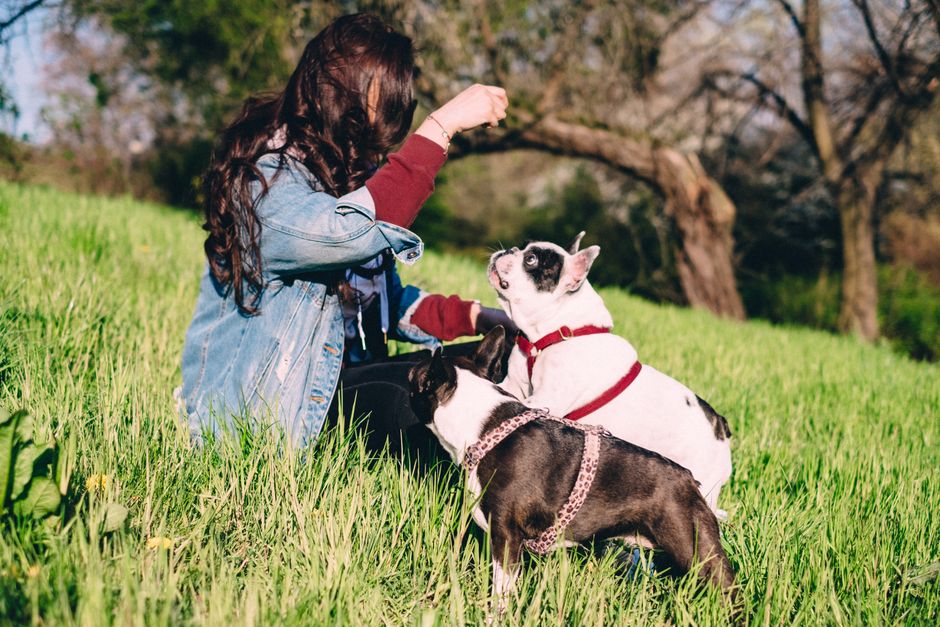
"How much does dog training cost?" is one of the first questions I hear from almost every dog owner who walks through our doors. And honestly, it's a great question to ask. But the answer isn't as simple as a single number on a price tag.
After nearly two decades of hands on work with dogs across Northern Virginia, I've learned that training costs depend on a lot of things your dog's age, their behavior, the type of program, and the experience of the trainer guiding the way. In this guide, I'll break down what you can generally expect to pay for dog training in the DMV, what actually affects the price, and how to make sure you're getting real value not just the cheapest option. By the end, you'll feel confident choosing the right program for your dog and your budget.
Ready to Get Started?
Your dog deserves structured exercise, fun social enrichment, and a personalized fitness plan. Begin your journey today!
Get Started
How Much Is Dog Training in the DMV?
Let's start with the big picture. Dog training in the DMV covers a wide range of prices depending on the format you choose.
Here's a general overview of what you'll typically find:
- Group classes: $30–$80 per session, or $100–$350 for a 4 to 6 week course
- Puppy training classes: Around $100–$300 for a full course, or $30–$60 per session
- Private lessons: $50–$300 per hour, with DMV rates typically landing between $75 and $200
- In-home training: Similar to private session rates, though travel fees may apply outside a trainer's service area
- Virtual training sessions: $30–$100 per session a flexible, often budget friendly option
- Aggression training: Generally starts at $90 per session and increases with severity
- Board and train programs: $500–$5,000 depending on duration, with some intensive programs reaching $1,000–$5,000 per week
- Service dog training A category of its own specialized task training can range from $15,000 to $40,000 due to the advanced skills and time required
Why does training cost more in Northern Virginia and other urban areas? It comes down to demand, cost of living, and access to experienced professionals. Urban areas typically charge 30–50% more than rural areas for the same type of training. Experienced trainers especially those with certifications like CPDT (Certified Professional Dog Trainer) or IAABC (International Association of Animal Behavior Consultants) may charge significantly higher rates, and rightfully so. Trainer experience alone can increase costs by 50–100%, but that expertise also dramatically improves your results.
Here's something I always tell owners: the cheapest option is rarely the best value. A bargain session that doesn't create lasting change often costs more in the long run both in money and frustration.
DMV training prices vary widely, so focus on what you're actually getting for your money.
What Factors Affect Dog Training Cost?
Your Dog's Age
Age plays a major role in the type and cost of training your dog needs.
- Puppy training focuses on early socialization, potty training, and building good habits before problems appear. It's generally the most affordable starting point.
- Adult dog training often addresses established behaviors, obedience, and manners and may cost more depending on what needs correcting.
- Senior or older dog training may require gentler, low impact approaches tailored to their pace.
Here's the honest truth puppies generally require less expensive training than older dogs with ingrained behavioral patterns. Starting early is one of the smartest financial decisions you can make. Preventing problems is always cheaper than fixing them.

Your Dog's Behavior
There's a real difference between teaching basic obedience and doing true behavior modification.
Basic obedience covers commands like sit, stay, and come the kind of skills that make daily life safer and more enjoyable. Behavior modification goes much deeper, tackling issues like reactivity, excessive barking, separation anxiety, aggression, or resource guarding. These challenges require more time, specialized knowledge, and individualized planning which naturally affects cost.
If your dog struggles with any of these, please know it's not a reflection of you. These are common issues, and with the right guidance, they can improve significantly.
Training Type
Different training formats serve different goals and carry different price tags:
- Basic obedience training: Foundation commands and manners
- Group obedience classes: Socialization and commands in a structured group setting
- Private training: One on one, fully customized to your dog
- In-home training: Personalized attention in your dog's environment great for specific behavioral issues
- Virtual training: Flexible online sessions that can address many common training goals at a lower cost
- Puppy classes: Early socialization and foundational skills
- Agility training: Coordination, focus, and confidence building
- Service dog training: Highly specialized, task specific work with a correspondingly high investment
- Specialized training: Recovery, therapy, or advanced behavior modification
Each format is designed to accomplish something specific, and the one you choose directly shapes the price.
Trainer Experience and Credentials
This one matters more than most people realize. A trainer's experience and credentials can be the difference between temporary obedience and lasting change.
Trainers with certifications like CPDT or IAABC have invested significantly in their education and professional development and that expertise shows in the results they produce. When you work with a certified, experienced professional, you're paying for insight built over years, not guesswork. And as I mentioned, experienced trainers can cost 50–100% more than those just starting out. That gap in price often reflects a gap in results.
It's also worth noting that the American Veterinary Society of Animal Behavior recommends reward-based training methods for dogs. At Canine Cardio, we blend positive reinforcement with structure and calm leadership because we believe that's the approach that creates real, lasting change.
Bottom line: Age, behavior, training type, and trainer experience are the four biggest drivers of cost.
How Much Do Private Dog Training Lessons Cost?
Private lessons in the DMV typically run $50–$300 per hour, with most professional trainers in this area charging $75–$200 per session. So what are you actually getting for that investment?
Private training means one on one, focused attention on your dog and your specific goals. There's no waiting for other dogs, no distractions competing for the trainer's attention just personalized guidance built around your dog's temperament and needs.
In home private training is especially powerful for dogs with behavioral issues tied to their environment. When a trainer works with your dog in your home, they can address the exact triggers and spaces where problems occur. Keep in mind that some trainers charge travel fees for in home sessions outside their primary service area, so it's worth asking upfront.
Group classes are typically 40–60% cheaper than private sessions, but for dogs with specific behavioral challenges or families who need a truly customized approach, private training almost always delivers deeper and more meaningful progress.
How Much Do Group Dog Training Classes Cost?
Group classes typically run $30–$80 per session, or $100–$350 for a structured 4 to 6 week course making them one of the more budget friendly training options available.
In a group setting, your dog learns basic commands, obedience, and socialization all while practicing focus around distractions and other dogs. That real world practice is incredibly valuable for building a well rounded companion.
Group obedience classes are a great fit for confident, social dogs who need polish and structure. They're also a natural environment for reinforcing commands like sit and stay in the presence of distractions, which is harder to replicate in a private setting. But if your dog struggles with serious reactivity, anxiety, or aggression, private training is usually the smarter investment.
And here's a key point worth repeating a good group class isn't just dogs in a room together. It's a structured environment guided by a skilled trainer who monitors energy, safety, and learning throughout every session.
How Much Do Board and Train Programs Cost?
Board and train programs are the most intensive and most expensive option, with costs typically ranging from $500 to $5,000 depending on the program's length and complexity. Some intensive programs can run $1,000–$5,000 per week, particularly for severe behavioral issues or advanced training goals.
In these programs, your dog stays with experienced trainers for a set period often one to four weeks getting consistent, daily practice in a controlled environment. That immersion can accelerate results significantly, especially for dogs with deeply ingrained behavioral challenges.
Because the price is significant, look beyond the number. Before committing, ask about:
- The training methods used (reward based methods are recommended)
- The daily structure and routine
- How the team communicates with you throughout the program
- What follow up support is included once your dog returns home
And here's the most important part: your participation after your dog comes home is essential. Even the best board and train program won't create lasting change if the structure disappears the moment your dog walks back through your door. Real transformation is a partnership.
Does Dog Training Cost More for Behavioral Issues?
Yes and here's why. Severe behavioral issues require more time, deeper expertise, and a fully customized plan.
Some of the challenges that most often require specialized, higher cost work include:
- Reactivity
- Excessive barking
- Leash pulling
- Separation anxiety
- Aggression (sessions often start at $90 or more)
- Resource guarding
- Difficulty around other dogs
Behavior modification training is specifically designed for serious issues like fear and aggression. It's not about masking or suppressing a behavior it's about understanding the underlying patterns and reshaping them for lasting change. That level of work requires specialized knowledge and individualized planning, which is reflected in the cost. But the payoff a calmer, more confident dog and a more peaceful home is absolutely worth it.
How Much Does Puppy Training Cost?
Puppy training is one of the best investments you'll ever make. Group puppy classes typically run $100–$300 for a course, or about $30–$60 per session. Private puppy training programs cost more, but offer customized support that can be invaluable during those critical early months.
So what are you actually paying for? A strong foundation, including:
- Basic commands
- Potty training
- Socialization with people and other dogs
- Leash skills
- Impulse control
- Appropriate play
- Household manners
Think of it this way puppies generally require less expensive training than older dogs, but investing in that early foundation now can prevent far more costly behavioral issues down the road. Every hour you put in during the puppy stage can save you months of frustration and significant money later.
What Does Dog Training Actually Include?
Quality training goes far beyond teaching your dog to sit. When you work with a true professional, you should expect a complete approach that addresses:
- Communication between you and your dog
- Leadership that builds trust
- Structure and consistent routines
- Mental stimulation to keep your dog engaged and fulfilled
- Leash skills for safe, enjoyable walks
- Socialization with people, dogs, and new environments
- Real world distractions that prepare your dog for everyday life
- Behavior modification for dogs with specific challenges
- Owner education so you can reinforce training at home
Mental stimulation is something I feel strongly about and talk about often. A well trained dog isn't just better behaved they're genuinely happier because their mind is engaged and their energy has purpose. This is the heart of my Train for Reality philosophy. I don't want your dog to perform beautifully only in a quiet training room. I want them to stay calm and confident in the real world on busy sidewalks, at the park, and in the middle of everyday life. Skills that don't transfer to reality aren't truly learned yet.
Is Professional Dog Training Worth the Cost?
In my experience? Absolutely. And I don't say that lightly.
The benefits of training go well beyond commands and compliance. Here's what I've seen consistently over nearly two decades of working with dogs:
- Behavior improves. Well trained dogs are far less likely to develop or maintain behavioral issues.
- Safety increases. Commands like sit and stay aren't just tricks they can protect your dog's life in dangerous situations.
- Bonding deepens. Training fosters a strong, communicative relationship between you and your dog built on trust and understanding.
- Mental stimulation matters. Dogs that receive structured training are more engaged, less anxious, and better equipped to handle the world around them.
A well-trained dog makes everyday life safer, calmer, and genuinely more enjoyable. Walks become relaxing instead of stressful. Guests coming over stops being a source of dread. Your bond deepens because you finally understand each other.
And here's the financial reality investing in training now helps you avoid years of frustration and prevents small problems from growing into serious and far more expensive behavioral issues. The goal isn't a dog who obeys commands in a controlled setting. It's a dog who can function confidently and happily in the real world.
Bottom line: Training isn't an expense. It's an investment in your dog's future and your peace of mind.
How to Choose a Dog Trainer in the DMV
With so many options, how do you find the right fit? Before you commit, I encourage you to look closely at:
- Trainer experience and years working with dogs
- Certifications and education — look for credentials like CPDT or IAABC
- Training philosophy and methods — reward-based approaches are recommended by the American Veterinary Society of Animal Behavior
- Types of programs offered — in-person, in-home, virtual, group, or private
- Experience with behavioral issues like reactivity, aggression, or anxiety
- Safety practices for every dog in their care
- Owner education and how they involve you in the process
- Follow-up support after training ends
- Travel fees if you're considering in home training outside the trainer's primary service area
- Reviews and client experiences
A trainer worth your trust will welcome your questions not dodge them. If someone can't clearly explain their approach or philosophy, that's your sign to keep looking. Your dog deserves someone who leads with knowledge, patience, and genuine care.
How Can I Save Money on Dog Training?
If you’re wondering how much is dog training, choosing the right training type can help you control costs without sacrificing quality. Here are a few ways to make your dog training investment go further:
- Choose group classes when appropriate. Group classes are typically 40–60% cheaper than private sessions, usually costing about $30–$80 per session. They can be a practical option for basic obedience, socialization, and basic commands.
- Start with puppy training. Puppy classes typically cost $30–$60 per session and can help address potty training, socialization, and basic obedience before behavioral issues become more difficult to manage.
- Consider virtual training. Virtual training sessions generally cost $30–$100 and can be useful for basic obedience and common training questions.
- Choose structured programs. Package deals, private lessons, and board and train programs may cost more upfront but can provide more consistent professional guidance and better long term value.
- Address issues early. Behavioral modification for severe issues typically costs more than basic obedience training. Starting training early can help prevent smaller problems from becoming expensive behavioral challenges.
- Practice at home. Consistent self training between professional sessions reinforces training techniques and helps you get more value from every session.
Ultimately, the best way to manage dog training cost is to choose the right program for your dog's needs. Whether you need puppy training, basic obedience, or specialized behavior modification, experienced trainers can help you invest wisely and build a confident, well trained dog.
My Approach to Dog Training at Canine Cardio
At Canine Cardio, I've combined nearly two decades of hands on experience with a whole dog approach to wellness. We're not a traditional training facility, and we were never meant to be.
Our programs are built around physical fitness, mental stimulation, emotional balance, and lasting confidence all guided by certified trainers and skilled Pack Leaders, not casual attendants. Our approach aligns with what leading animal behavior organizations recommend: reward based methods combined with structure, calm leadership, and real world application. That's the foundation of our Train for Reality philosophy.
Depending on your dog's needs, that might include:
- Treadmill and slatmill work for endurance and focus
- Agility courses for coordination and confidence
- Swim and pool training for low impact, joint friendly fitness
- Lure course speed work for safe drive release
- Recovery zones for calm decompression
- Structured daycare that replaces chaos with calm and consistency
- Behavior modification for dogs working through reactivity, anxiety, or more complex challenges
- Private and in home training options tailored to your dog's environment and specific needs
Every dog is different, so every plan is different. We build each program around your dog's individual temperament, age, and behavior because that's what real, lasting transformation requires.
Final Thoughts Dog Training Is an Investment in Your Dog's Future
So, how much is dog training in the DMV? The honest answer: it depends on the type and level of training your dog needs. Group classes might run $100–$350 for a course. Private sessions typically range from $75 to $200 per hour. Board and train programs can reach $1,500 to $5,000 or more. And for highly specialized work like service dog training, the investment can be $15,000–$40,000 because the skills involved are extraordinary.
Here's what I hope you'll take away from all of this:
- Training costs vary based on your dog's age, behavior, goals, and the trainer's experience and credentials.
- Urban areas like the DMV charge more than rural areas factor that into your expectations.
- The cheapest option rarely delivers the best value or the most lasting results.
- Experience, structure, and real world application matter far more than price alone.
After nearly 20 years of working with Northern Virginia's dogs, I believe with my whole heart that every dog can thrive with purposeful training, structure, and confident leadership. Your dog isn't a problem to fix they're a companion ready to grow.
If you're ready to give your dog a calmer, healthier, more confident life, I'd love to help. Learn more about Canine Cardio's training and wellness programs, and let's take the next step together. Your dog deserves it and so do you.