Choosing a Dog Boarding Facility in Alexandria, Virginia That Feels Safe and Thoughtful
By Alex Crabill · May 7, 2026
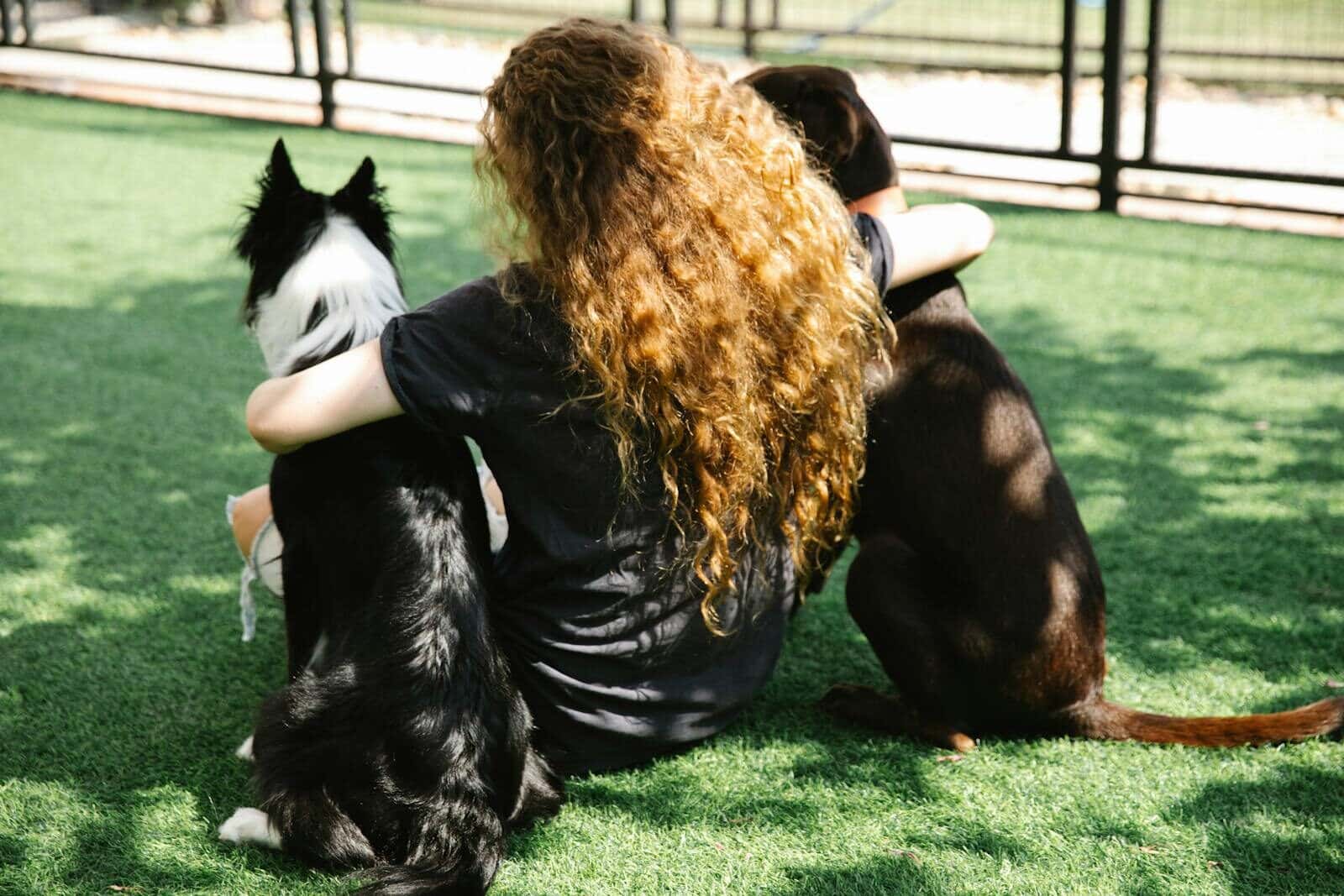
When I think about what makes boarding feel truly safe for a dog, I always think about one nervous first-time boarder I worked with years ago. He walked in, pacing, overwhelmed, and unsure of the environment around him. His family was not just looking for a place for him to stay for the week. Like many families searching for a dog boarding facility in Alexandria, Virginia, they wanted peace of mind. They wanted to know their dog would be understood, guided, and cared for in a thoughtful way.
Ready to Get Started?
Your dog deserves structured exercise, fun social enrichment, and a personalized fitness plan. Begin your journey today!
Get Started
After nearly two decades working with dogs across Northern Virginia, I have learned that environment matters just as much as care. A dog can have food, water, and supervision, but if the environment feels loud, chaotic, or overstimulating, many dogs never truly relax. I have worked with puppies, senior dogs, anxious dogs, working breeds, and even households with cats, and one thing remains consistent: structure changes everything.
That nervous dog did not need nonstop activity or constant interaction. He needed calm leadership, predictable routines, rest, and space to decompress. Once we gave him that structure, his entire demeanor changed. His pacing slowed, his body relaxed, and he started moving through the environment with confidence instead of stress.
That is what thoughtful boarding should do. It should support a dog physically, mentally, and emotionally. Whether a dog stays for one night, one week, or longer, safe boarding should help them feel secure, balanced, and genuinely cared for every step of the way.
Dog Breeds Have Different Boarding Needs
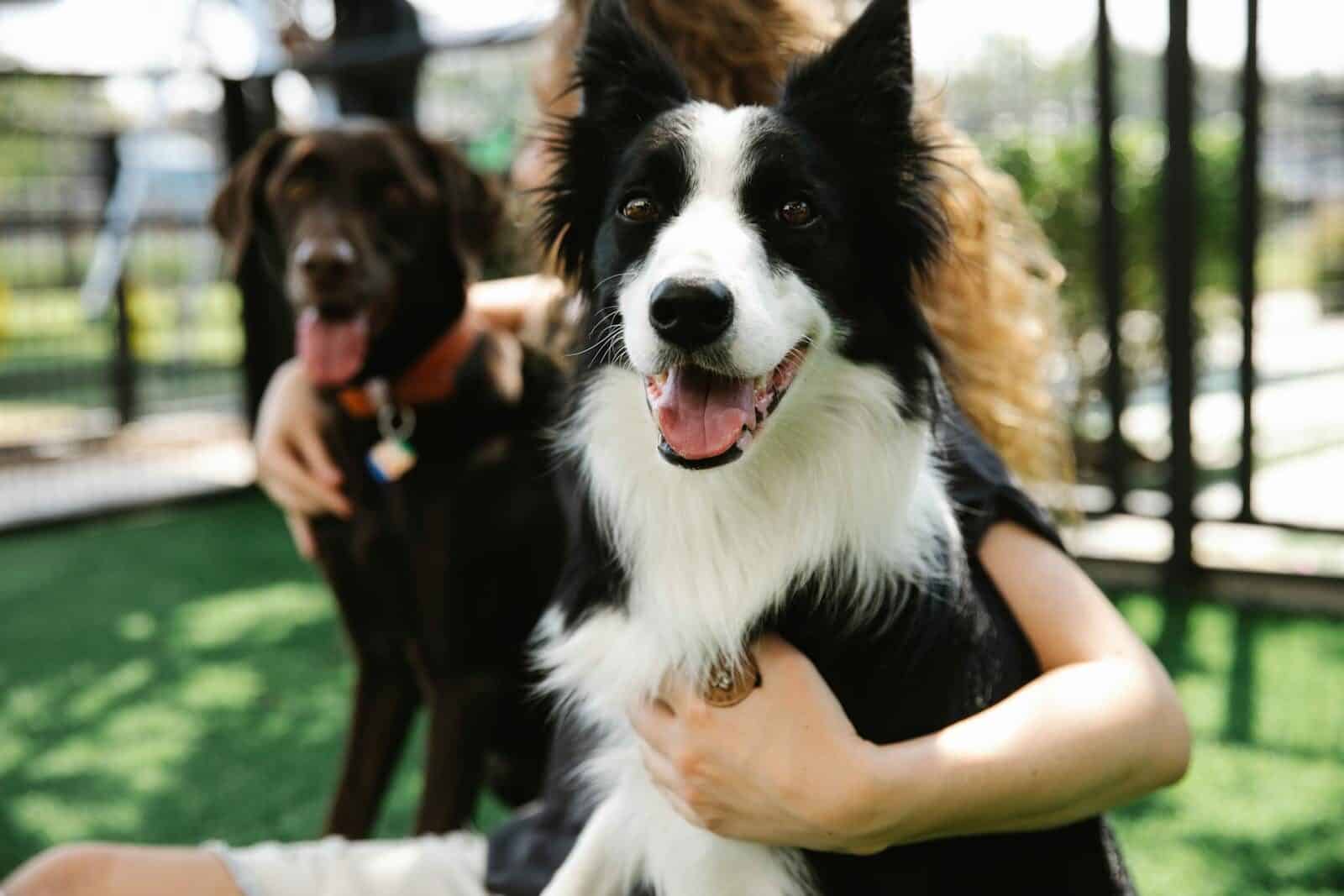
Not all dog breeds experience boarding the same way, and thoughtful programs should always respect those differences. Breed is not the only factor that matters, but it does offer valuable insight into a dog’s temperament, instincts, energy level, and social style. A Border Collie often needs mental engagement and structured outlets because its strong herding traits can make overstimulation frustrating without direction. Labrador Retrievers usually enjoy interaction and movement, but even most dogs in social breeds still need boundaries, rest, and calm leadership to avoid tipping into anxiety or chaos. Akitas and certain breeds developed for guarding livestock in harsh, cold climates may prefer quieter environments, slower introductions, and more personal space around other dogs.
Over the years, I have worked with male dogs, female dogs, mixed breeds, puppies, senior dogs, and dogs from shelters, and I have learned that successful boarding is never about forcing every animal into the same routine just to survive the week. Dogs are intelligent mammals that rely heavily on routine, body language, smell, and emotional stability. Even the way two dogs greet each other can be a sign of whether they feel safe or overwhelmed. Some dogs naturally enjoy social interaction, while others need time to observe before relaxing. I have seen nervous dogs walk in with their tail tucked low and slowly gain confidence once they were given structure, rest, proper feed schedules, calm handling, and thoughtful guidance.
Modern dogs may be a popular pet today, but they are still closely related to wild canines like coyotes, foxes, and even the Australian dingo. Through selective breeding, humans developed desirable traits for hunting, guarding, companionship, and work, which is why a hound may process boarding very differently than a sensitive Chihuahua or one of the large breeds recognized by the American Kennel Club. The best boarding environments understand that every species within the canine world is different and create routines that help dogs feel safe, balanced, and understood instead of overwhelmed.
Why Structure and Calm Leadership Matter More Than Constant Activity (domestic dogs)
One of the biggest mistakes I see in boarding is the idea that more activity always means better care. In reality, most domestic dogs do not need endless stimulation. They need rhythm. They need clear expectations. They need moments of movement balanced with moments of rest.
A domesticated dog may live in our homes and sleep on our couches, but that does not mean the dog’s nervous system can thrive in constant noise, random interactions, and nonstop group play.Many dog breeds are especially sensitive to overstimulation. Without structure, dogs can become more anxious, more reactive, and less able to settle.
Thoughtful boarding should include:
- predictable routines
- calm human leadership
- structured exercise
- decompression time
- mental engagement
- appropriate rest
I have found that when dogs know what to expect, they start to relax. When they are guided by calm, confident handlers, they do not have to guess what comes next. That matters. A tired dog is not always a balanced dog. Some dogs come home exhausted from boarding, but not fulfilled. There is a difference between healthy satisfaction and emotional overload.
How Canis lupus and Canis familiaris Still Shape Modern Dog Behavior
To really understand boarding, we have to understand the dog in front of us. Modern dogs, or canis familiaris, have lived alongside humans for thousands of years. Through dog domestication and selective breeding, they have changed in many ways. But they are still biologically connected to canis lupus, the gray wolf.
That connection does not mean dogs are wolves. It means certain instincts still matter. Social awareness, environmental sensitivity, territorial behavior, prey drive, guarding tendencies, and the need for clear structure are still present in many forms. Even in the most social and friendly domesticated dog, those deeper patterns can shape how they respond to stress, novelty, confinement, and group settings.
This is why some dogs struggle in chaotic boarding spaces. Their behavior is not random. It is communication. A dog who paces may be overwhelmed. A dog who barks nonstop may be unable to regulate. A dog who shuts down may not feel safe enough to engage. When we understand the biology behind behavior, we stop asking dogs to simply cope and start helping them feel secure.
Dog Breeds Have Different Boarding Needs
Not all dog breeds experience boarding the same way, and thoughtful boarding programs should always respect those differences. A Border Collie may need mental engagement and structured outlets to stay balanced, while Labrador Retrievers often benefit from guided exercise, clear boundaries, and enough rest to avoid becoming overstimulated. Akitas, on the other hand, may prefer calmer environments with more space and less social pressure.
Over the years, I have learned that successful boarding is never about forcing every dog into the same routine just to survive the week. It is about understanding the whole dog. Personality, age, health, past experiences, and even comfort with handling, grooming, or sharing space around food and a bone can all influence behavior.
I have seen nervous dogs walk in with their tail tucked low, unsure of the environment, only to slowly relax once structure and calm leadership were introduced. I still remember one woman telling me her dog became completely lost in chaotic daycare settings because staff would simply grab the leash and move dogs from one activity to another without recognizing stress signals. Some dogs settle quickly, while others may need a full week or even one year of gradual confidence-building experiences before they fully trust a new environment. The best boarding facilities recognize those differences and create thoughtful routines that help each dog feel safe, balanced, and understood.
What I Look for in a Dog Boarding Facility in Alexandria, Virginia
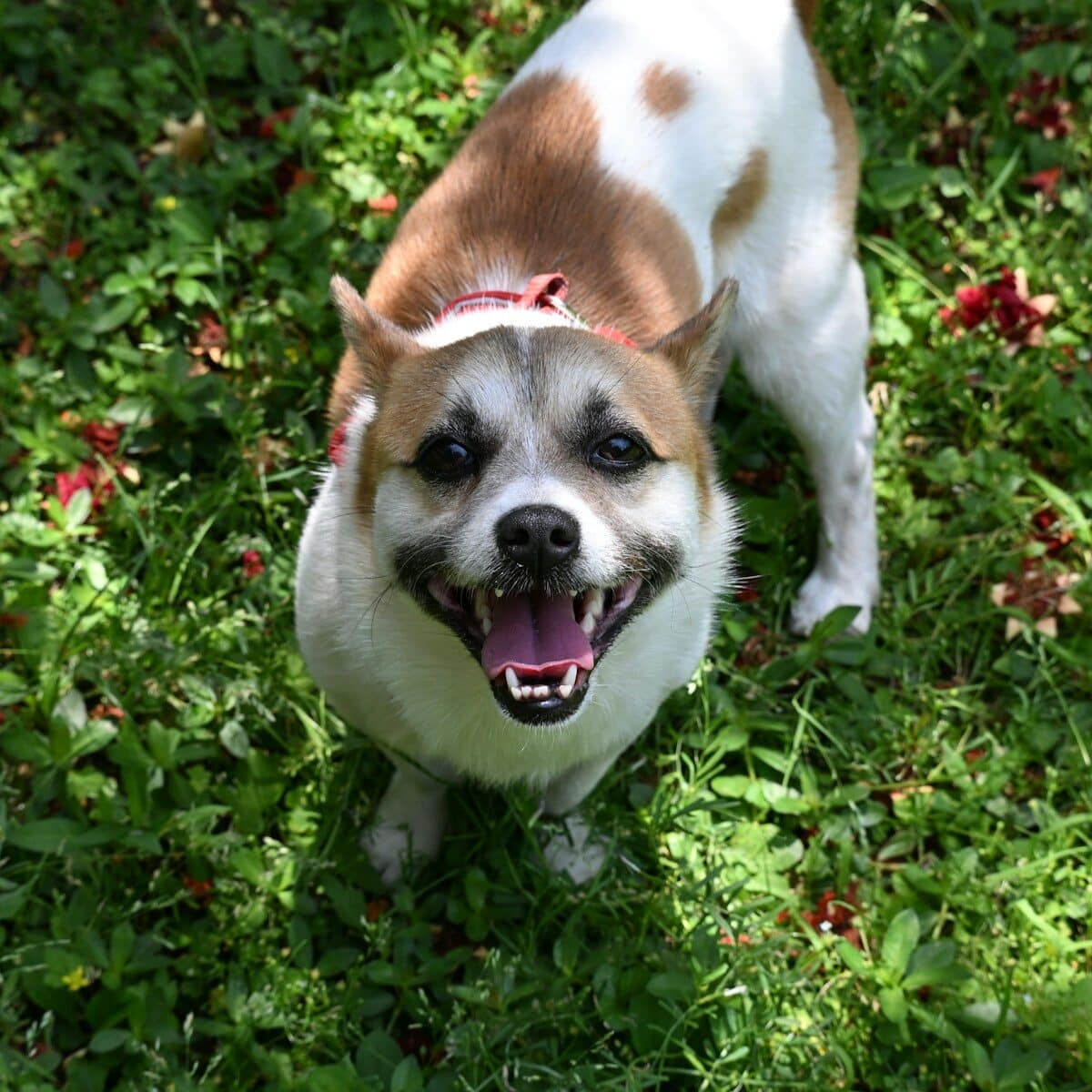
If I were advising a family on how to choose a dog boarding facility in Alexandria, Virginia, I would tell them to look beyond marketing and focus on how the dogs actually live each day. A thoughtful facility should provide structure, calm leadership, proper rest, and safe social interaction instead of nonstop chaos.
I would pay attention to how staff handle dogs around other dogs, whether dogs with sensitive hind legs or mobility issues are supported properly, and how routines include enrichment, treats, balanced feed schedules, and healthy outlets instead of overstimulation. The best boarding environments help every dog feel safe, balanced, and treated like a trusted friend through consistent practice and thoughtful care.
Trainer-Led Environments
This matters more than most people realize. Dogs respond differently when they are guided by trained professionals instead of casually supervised attendants. A trainer-led environment means the people handling the dogs understand body language, thresholds, arousal levels, and how to step in before stress becomes conflict.
Calm leadership creates safety. It helps dogs settle faster, move through transitions more smoothly, and build trust in the environment around them.
Safe Socialization
Socialization should never mean chaos.Dogs should not be thrown into uncontrolled group play and left to work it out. Safe socialization is intentional. It includes careful introductions, behavioral matching, supervision, structured rotations, and the ability to step dogs out for decompression when needed.
Not every dog wants the same amount of interaction. Some dogs enjoy calm companionship. Others need slower introductions. Others do best with more human guidance and less dog-to-dog engagement. Good boarding respects those differences.
The Importance of Rest
Rest is not an extra. It is essential. Dogs need time to decompress, sleep, and regulate between activities.Without enough rest, even friendly and social dogs can become irritable, impulsive, or shut down.
I always encourage families to ask how often dogs rest during the day and what those rest periods look like. Recovery supports digestion, immune health, emotional balance, and better behavior overall. A facility that values rest is usually a facility that understands dogs on a deeper level.
Final Thoughts
Choosing a dog boarding facility in Alexandria, Virginia should never come down to convenience alone. It should come down to whether the environment is truly safe, structured, and thoughtful. Dogs are not just pets we drop off for the week. They are companions with emotional needs, behavioral patterns, and individual thresholds. The right boarding experience can help them feel calmer, healthier, and more confident, even while they are away from home.
At Canine Cardio, I have built our approach around that belief. We focus on structure, leadership, movement, and rest because those are the things that help dogs feel secure in the real world. Whether I am caring for high-drive working dogs, sensitive companions, or dogs who simply need a calmer routine, my goal is always the same: to create an experience rooted in trust, balance, and real canine wellness.
Give Your Dog a Boarding Experience Built Around Calm, Structure, and Confidence. Contact Canine Cardio today to learn how our thoughtful approach to canine wellness helps dogs feel safer, healthier, and more fulfilled every step of the way.