Would You Know What to Do in a Dog Emergency? First Aid Basics Every Owner Should Know
By Canine Cardio · November 20, 2026
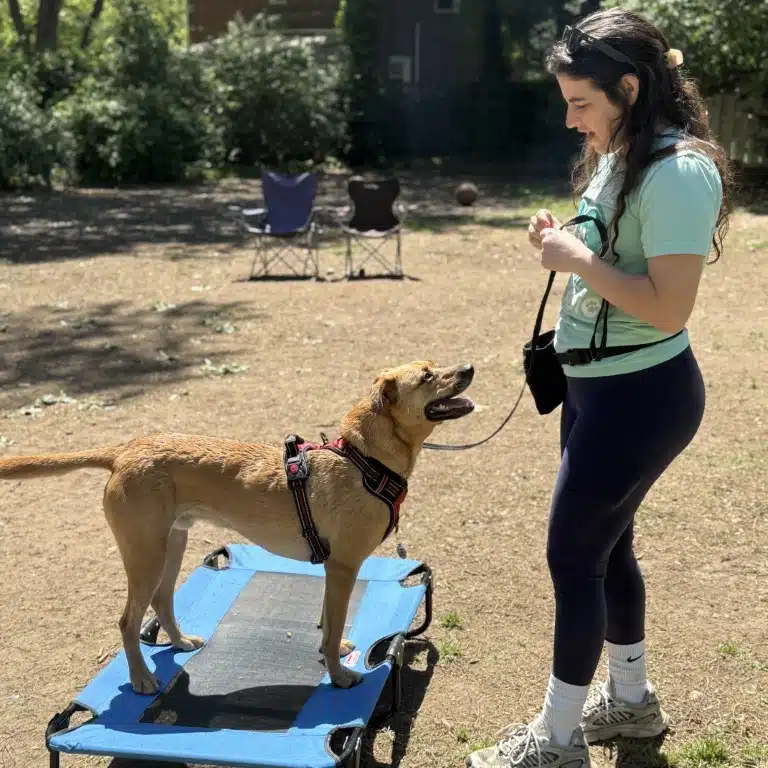
This month our team completed canine CPR and first aid training. It's something we take seriously, because when you're caring for active dogs every day, being ready matters.
It got us thinking: most dog owners have never learned what to do in an emergency. You don't need to be an expert, but knowing a few basics can make a real difference in the minutes before you reach a vet.
Ready to Get Started?
Your dog deserves structured exercise, fun social enrichment, and a personalized fitness plan. Begin your journey today!
Get Started
This article is general information, not a substitute for veterinary care. In any emergency, contact your veterinarian or an emergency animal hospital right away.
Know your dog's normal
You can't spot what's wrong if you don't know what's normal. Check these when your dog is calm and healthy:
Gums: should be pink and moist. Pale, white, blue or bright red gums are a warning sign.
Breathing at rest: roughly 10 to 35 breaths per minute for most dogs.
Temperature: normal is about 101 to 102.5°F. Over 103°F is concerning, and 105°F or more is an emergency.
Know where you'd go
Before you ever need it, look up the nearest 24-hour emergency vet. Save the number and address in your phone. In an emergency, call ahead so they can prepare for your dog.
Heat stroke: the one active-dog owners should know best
Dogs overheat faster than people. Heavy panting, thick drool, bright red gums, stumbling or vomiting are all signs.
Stop all activity and move your dog somewhere cool.
Cool them with cool or room-temperature water (not ice water) and air flow from a fan.
Get to a vet, even if your dog seems to recover.
Choking
Signs include pawing at the mouth, gagging and trouble breathing. If you can see the object and safely reach it, carefully remove it. Be careful: a scared dog may bite. If you can't remove it, get to a vet immediately. Learning hands-on choking techniques in a class is the best way to be ready.
Bleeding
Press firmly on the wound with a clean cloth or gauze for several minutes. If blood soaks through, add more layers on top instead of removing the first one. Every bite or puncture wound should be checked by a vet, even small ones.
Poisoning
If you think your dog ate something toxic, call your vet, ASPCA Animal Poison Control at (888) 426-4435, or the Pet Poison Helpline at (855) 764-7661 (fees may apply). Don't make your dog vomit unless a vet tells you to.
What to keep in a dog first aid kit
Gauze pads and rolls, non-stick pads, and self-sticking wrap
Medical tape and blunt-tip scissors
Saline solution for rinsing wounds or eyes
A digital thermometer and lubricant
Styptic powder for torn nails
Tweezers
A spare leash and a soft muzzle
A towel or blanket (it doubles as a stretcher)
Disposable gloves
Your vet's and the emergency vet's phone numbers
Peace of mind for your dog's day with us
Our team is certified in pet CPR and first aid, so trained staff are on hand at daycare, in our dog gym, on walks and during boarding stays.
Want your team to learn these skills too? We're starting a hands-on canine first aid and CPR class for dog businesses and owners. Contact us to be the first to hear about class dates.