Dog Enrichment in Arlington, Virginia: Why Exercise Alone Isn't Enough
September 18, 2026
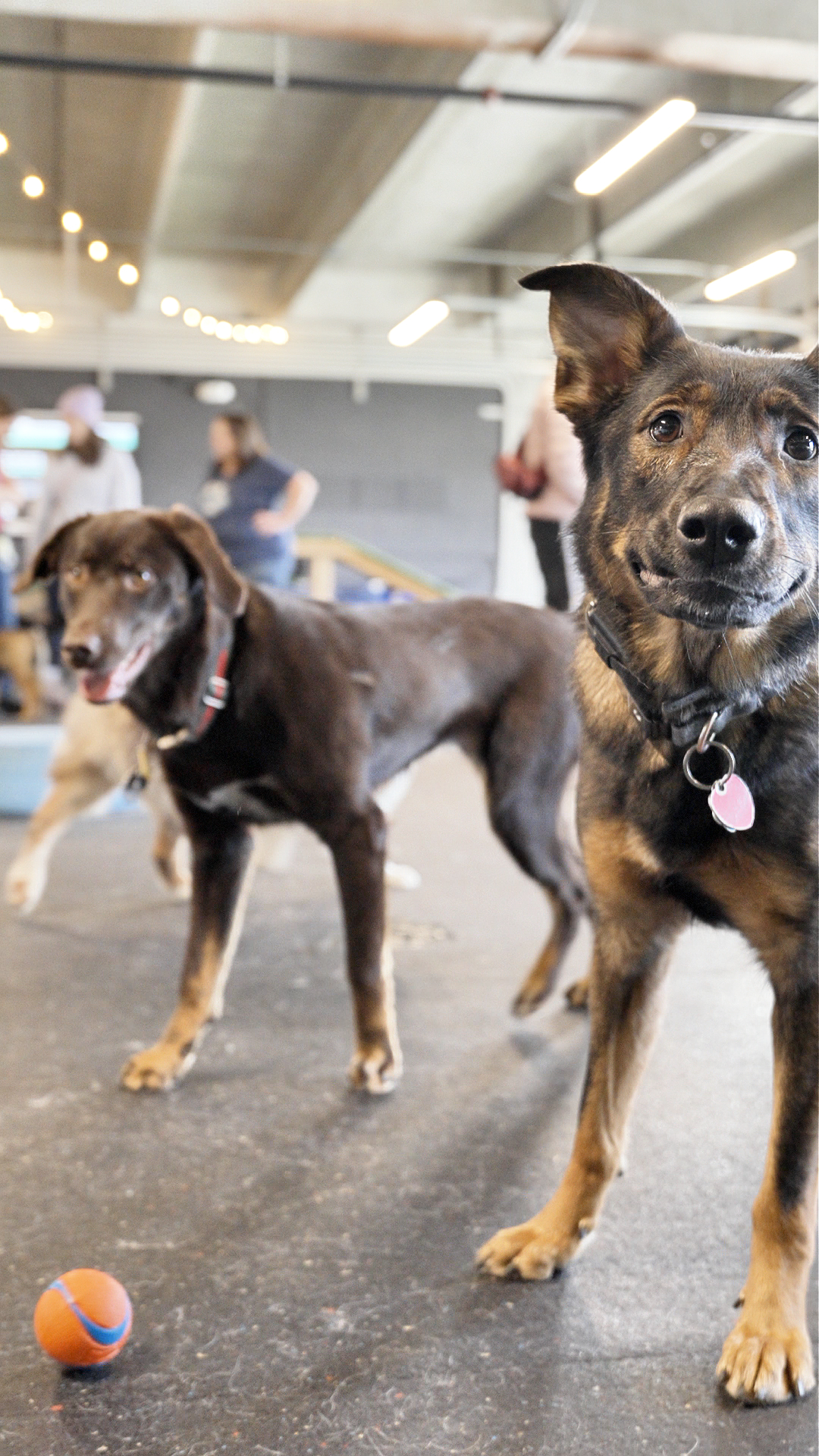
If you've ever walked your dog for a solid hour, come home exhausted, and watched your pup still bounce off the walls twenty minutes later, you're not alone. After nearly two decades of hands on work with dogs across veterinary, behavioral, and enrichment settings, I've learned one truth that changed everything about how I care for dogs: movement matters, but it's rarely the whole story.
I'm Brittany Schneller, founder of Canine Cardio. This post is my honest take on dog enrichment and why simply tiring your dog out often misses what they truly need. My goal is to give you practical, safe ideas you can use at home today.
Ready to Get Started?
Your dog deserves structured exercise, fun social enrichment, and a personalized fitness plan. Begin your journey today!
Get Started
Here's what you'll take away:
What dog enrichment really means (and its six main types)
Why exercise alone isn't always enough for a happy dog
Simple DIY enrichment activities using items you already own
How to match enrichment to your dog's age, energy, and personality
Safe practices to keep every activity worry free
What Is Dog Enrichment?
Dog enrichment is any activity that gives your dog appropriate ways to use their body, senses, and instincts. In plain terms, it's about engaging your dog's mind and body with purpose, not just keeping them busy. Research consistently shows that enrichment improves dogs' mental and physical health, reduces stress and anxiety, and builds lasting confidence and resilience.
Think of enrichment as a balanced diet for your dog's brain and behavior. Most dogs thrive when they get a mix of enrichment activities throughout the day rather than one big burst. Engaging activities not only prevent boredom and destructive behavior they help your dog become a calmer, more well rounded companion over time.
The Six Types of Enrichment
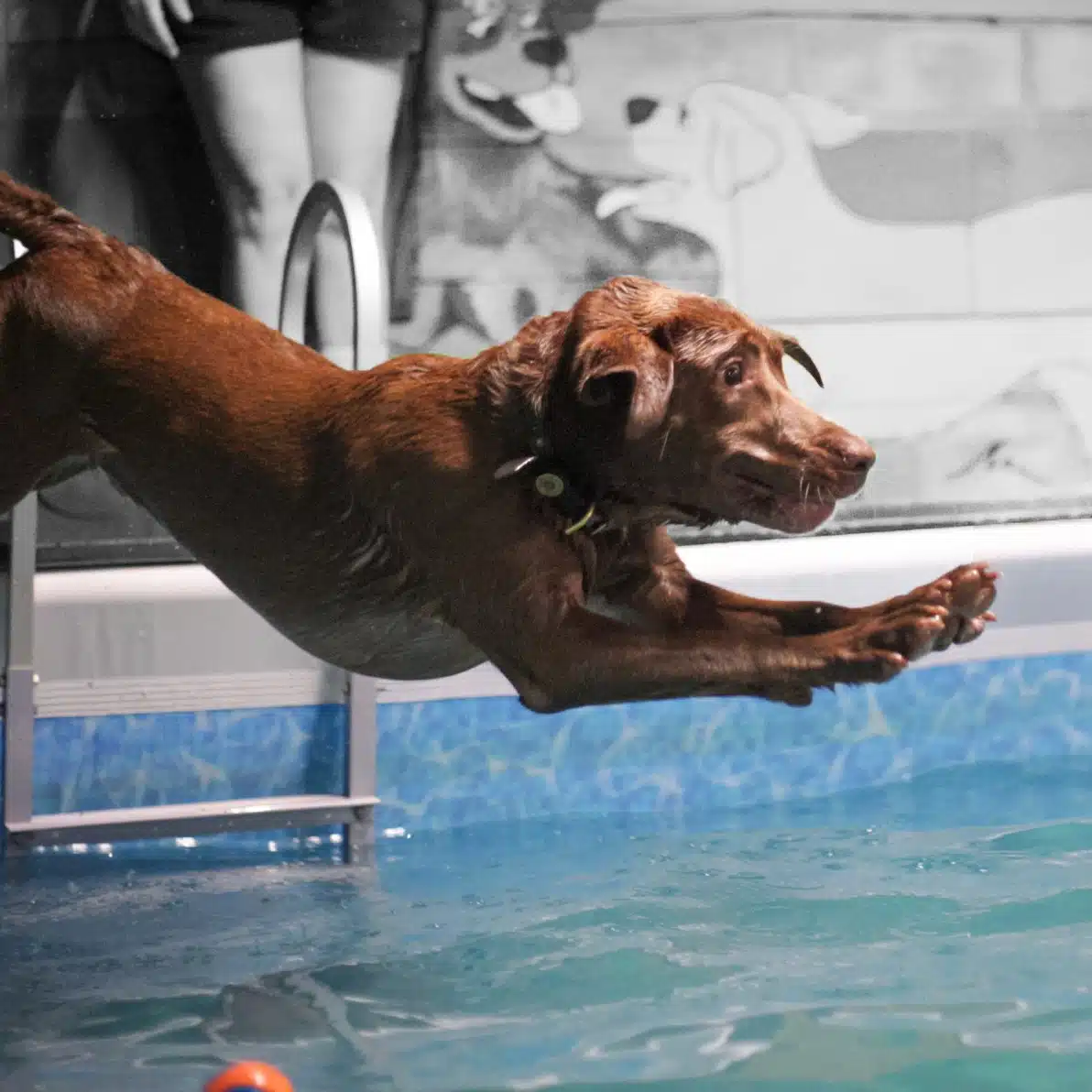
Physical enrichment: Walks, fetch, agility, swimming, and structured movement that supports strength and stamina.
Mental (cognitive) enrichment: Puzzles, problem solving, and trick training that make your dog think. Research shows that puzzle toys can mentally tire dogs faster than physical exercise alone.
Sensory enrichment: New walking routes, novel sights and sounds, and scent based activities that engage your dog's remarkable nose.
Social enrichment: Positive, structured time with people and other dogs that builds confidence and emotional balance.
Food-based enrichment: Turning meals into a stimulating challenge using interactive feeders, lick mats, and foraging activities.
Calming enrichment: Activities that encourage rest and emotional stability, such as lick mats, gentle sniff walks, and decompression time.
Match Enrichment to the Individual Dog
Every dog is different. A senior Lab and a young working breed have very different needs. Always consider your dog's age, energy level, behavior, and physical condition before choosing an activity. What builds confidence in one dog might overwhelm another. It's also worth noting that cognitive enrichment may help reduce cognitive decline in aging dogs one more reason to prioritize mental challenges as your dog grows older.
Why Exercise Alone Isn't Always Enough
A long walk or a game of fetch is wonderful, but it mostly works the body. Your dog's mind can still be under stimulated, which often leads to boredom.
Here's something I've seen countless times: a dog gets plenty of physical play, yet still chews furniture, barks, or paces. That restlessness usually signals an unmet mental need, not a lack of exercise. Mental stimulation enhances dog happiness and reduces stress in ways that a longer run simply cannot replicate.
For high energy dogs especially, more running isn't always the fix. Adding mental challenges that encourage problem solving gives your dog a healthy outlet and a chance to think. Using varied enrichment activities can enhance a dog's overall behavior, help channel energy constructively, and create a more settled, fulfilled companion. The goal was never to exhaust your dog. It's to create balance.
Scent Games: Let Your Dog Use Their Nose
Sniffing is one of the most natural, calming things your dog can do. A dog's nose is their superpower, and scent games tap directly into that instinctual foraging behavior. Dogs genuinely enjoy foraging activities from snuffle mats to treasure hunts because searching for something engages them at their core.
Best of all, scent work engages the dog's mind without demanding intense physical activity. Combining food puzzles and scent work keeps dogs mentally sharp and is one of my favorite strategies for dogs who need a meaningful outlet without a high impact workout. It's perfect for rainy days, recovery periods, or evenings when you want a calmer activity.
Try these simple scent games:
Hide treats around a safe room and let your dog search.
Scatter a few pieces of kibble in the grass outside.
Create a short scent trail leading to a reward.
Hide a favorite toy and encourage your dog to sniff it out a simple version of hide and seek that engages their problem solving abilities.
Let your dog safely investigate familiar household items.
Try dedicated sniff walks that allow your dog to stop, explore, and take in their environment at their own pace. These walks are enrichment in themselves.
Food Based Enrichment: Make Mealtime Meaningful
Why serve every meal from a plain bowl when food can double as enrichment? I love turning part of a dog's regular meal into a rewarding, stimulating challenge. Interactive feeders and DIY treat dispensers keep dogs entertained for extended periods and make mealtime far more satisfying for their minds.
You don't need extra treats, either. Regular dry food, kibble, or a portion of appropriate wet food works beautifully. If a recipe calls for something spreadable, a little canned dog food on a lick mat is a great option.
Tools worth trying:
Slow feeder bowls to pace fast eaters and encourage problem solving
Lick mat smeared with wet food for a soothing, calming activity
Treat dispensing balls that reward movement and keep dogs working
Snuffle mats that hide kibble in fabric folds to encourage foraging
Muffin tin treat place small amounts of kibble or food in the cups and cover them with tennis balls so your dog has to nudge them aside to find the reward. This encourages problem solving and exploration.
Simple food puzzles that reward persistence and mental effort
One reminder: portion control matters. Count food based enrichment as part of your dog's daily meals to protect a healthy weight.
DIY Enrichment You Can Try at Home
Enrichment doesn't require expensive gear. Some of the best DIY enrichment comes from items already in your home or recycling bin. The key is supervision and choosing activities that suit your individual dog.
Cardboard box (destruction box): Fill it with crinkled paper, toys, or hidden treats and let your dog dig in. Destruction boxes channel a dog's energy into constructive activity and are surprisingly satisfying for curious dogs.
Plastic bottle DIY treat dispenser: Only with close supervision. Remove the cap and ring first to eliminate unsafe pieces, then let your dog nudge it to release treats.
T-shirt tug toy: Take an old t-shirt or piece of fleece, cut it into strips, and braid them into a simple DIY tug toy. It's an easy way to create structured interactive play without spending a cent.
T-shirt scent activity: A clean shirt carrying your scent also works beautifully as a comfort item for anxious dogs.
Muffin tin game: Place kibble in the cups and cover with balls so your dog has to solve the puzzle.
DIY treat dispensers: Punch small holes in a safe plastic container and fill it with kibble. Your dog rolls it around to release pieces always with proper supervision.
Snuffle Mats and Lick Mats
These two deserve a closer look because they're gentle, effective, and endlessly repeatable.
A snuffle mat encourages your dog to sniff and forage for food hidden in its fabric strips. It satisfies that natural search and foraging instinct while keeping your dog engaged. Dogs enjoy this kind of treasure hunt activity because it mirrors what they'd naturally do in the wild and it builds focus and calm in the process.
A lick mat offers a slower, more calming enrichment experience. The repetitive licking soothes many dogs and can ease anxiety during quiet moments. Use appropriate portions of kibble softened with water or a thin layer of wet food. The goal is to challenge your dog without creating frustration.
Chewing: A Natural Stress Relieving Behavior
Before we move into physical activities, I want to take a moment to talk about chewing. It's easy to think of chewing as a problem especially when your dog has found your favorite pair of shoes. But chewing is a natural behavior that helps relieve stress in dogs. It's instinctual, satisfying, and genuinely calming.
Rather than discouraging it entirely, redirect it. Offer appropriate chew items like bully sticks, rubber chew toys, or safe natural chews. Giving your dog a constructive outlet for chewing is a simple, low-effort form of calming enrichment that you can weave into any day.
Obstacle Courses and Physical Enrichment
At Canine Cardio, I love combining movement with mental engagement, and a simple obstacle course does exactly that. It asks your dog to think about where they place their body, not just how fast they can go. Obstacle courses improve dogs' balance and confidence and the best part is you don't need a gym to benefit from them.
Using safe equipment at home, you can guide your dog to:
Walk around cones or objects
Step over low, stable obstacles
Move between markers
Travel through a tunnel
Target and settle on a mat
This is purposeful exercise, not just burning energy. Your dog builds coordination, focus, and confidence with every rep. Games like hide and seek can also be incorporated here have your dog wait while you hide, then release them to find you. It engages their problem solving mind and strengthens your bond at the same time.
Ball Pit, Interactive Play, and Toys
Play is enrichment too, especially when it engages both body and brain. A ball pit filled with safe balls invites digging and searching, while interactive play deepens your bond.
Options many dogs love:
Ball pits for foraging and gentle physical play
Tug of war with clear start and stop rules (a DIY tug toy made from braided fleece works great here)
A classic tennis ball chase
A flirt pole for controlled chasing
Interactive puzzle toys that provide prolonged engagement
Let your dog's likes guide your choices. Some dogs live for tug; others prefer a puzzle. Whatever you pick, teach appropriate engagement so play stays structured and fun rather than chaotic.
Trick Training: Enrichment Through Learning
Trick training is so much more than party tricks. When dogs learn, they problem solve, focus, and build real confidence. Short, frequent training sessions are the most effective approach even just three to five minutes at a time woven into your everyday routine produces real results. These sessions also strengthen the communication between you and your dog.
A few of my favorites to start with:
Place: Settle calmly on a mat or bed.
Touch: Nose to your hand for focus and redirection.
Find it: Search for a tossed treat a simple way to tap into natural foraging behaviors
Spin: A fun, low impact movement trick.
Wait: Build impulse control.
Put toys away: A more advanced game that keeps dogs thinking.
Appropriate challenges build confidence without overwhelming your dog. And as dogs learn that they can figure things out, that confidence carries into every area of their life.
Environmental Enrichment: Change What Your Dog Experiences
Environmental enrichment isn't about toys or food at all. It's about giving your dog new, safe things to notice and explore. Changing environments exposes dogs to novel sights and sounds that naturally stimulate their senses and satisfy curiosity.
You can safely let your dog:
Walk on different surfaces
Explore new walking routes to prevent boredom and stimulate their senses a new neighborhood, trail, or park can completely transform a routine walk
Investigate fresh scents in unfamiliar areas
Observe the world calmly from a new vantage point
Take dedicated sniff walks where they set the pace
Even background sound counts. A 2018 study found that playing classical music calms dogs and reduces anxiety soft classical music in the background at home is one of the simplest, most underused enrichment tools available to pet owners. Controlled novelty like this offers valuable mental stimulation and makes for a fuller, richer dog's day.
Can Enrichment Help With Boredom and Unwanted Behaviors?
Often, yes. Many unwanted behaviors are simply a dog's attempt to meet an unmet need. When boredom sets in without healthy outlets, you may notice:
Destructive chewing
Excessive barking
Digging
Restlessness
Attention seeking
Enrichment reduces stress and anxiety in dogs, and engaging activities directly prevent the boredom and destructive behavior that so many owners struggle with. Purposeful enrichment gives your dog appropriate outlets for their natural behaviors rather than leaving them to find their own usually less welcome solutions.
That said, enrichment isn't a replacement for behavioral training when a dog has significant concerns. The most lasting results come from the full picture: structure, leadership, movement, and enrichment working together.
How Much Enrichment Does a Dog Need?
There's no single schedule that fits every dog. The right amount depends on:
Age
Breed tendencies
Energy level
Health
Behavior
Individual preferences
Focus on quality and variety over cramming your dog's day full. Short, well chosen sessions spread throughout the day work better than one marathon. Dogs benefit from activities that engage their natural behaviors sniffing, foraging, chewing, exploring in ways that feel instinctive and satisfying rather than forced. And don't forget rest. Recovery is where balance is built.
Enrichment for High Energy Dogs
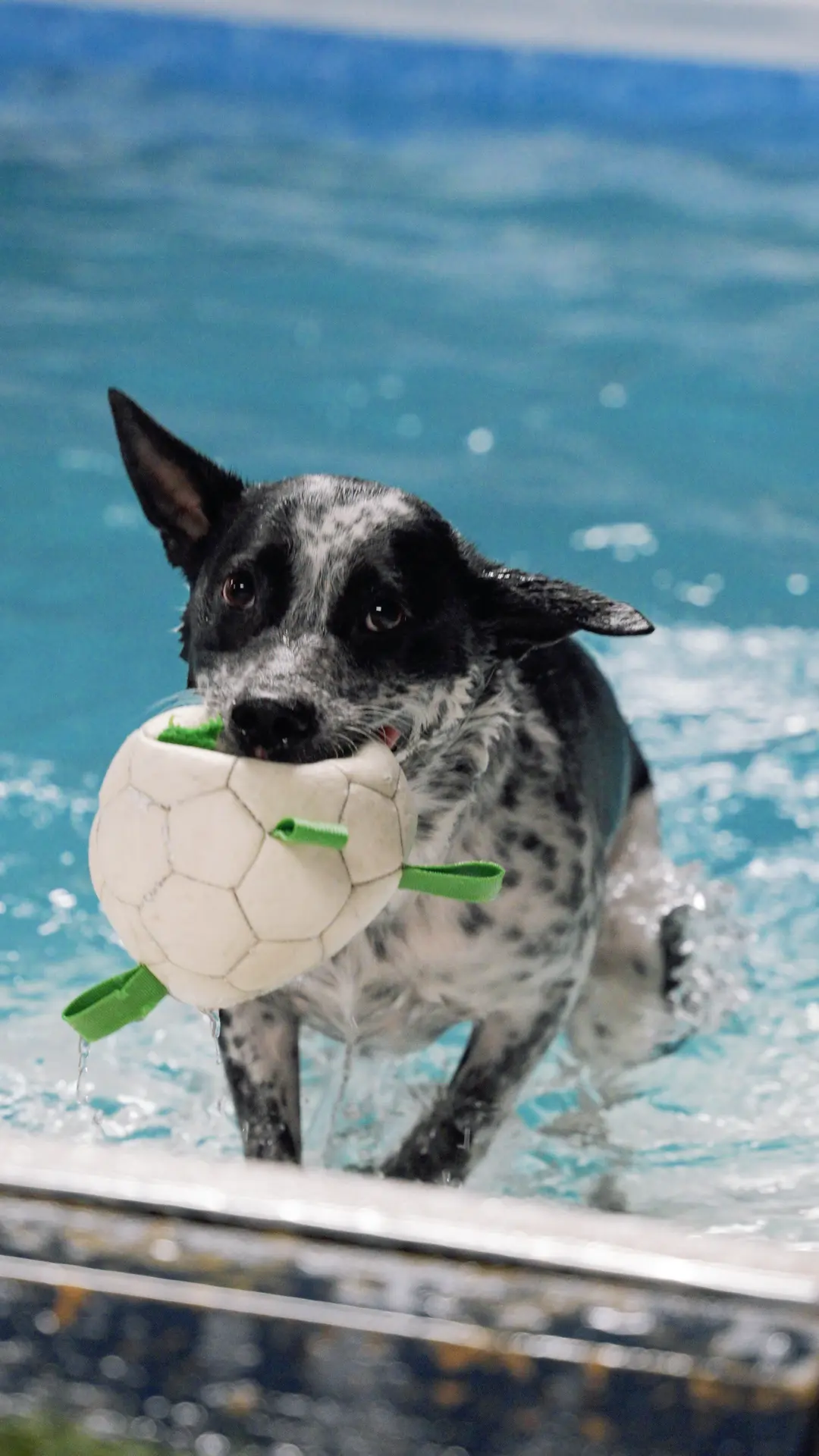
If you share your life with a high energy dog, you already know longer walks alone rarely settle them. Constantly increasing physical activity can even teach a dog to expect more, not to relax.
Instead, combine a mix of outlets:
Physical exercise
Scent work and foraging activities
Short, frequent training sessions
Interactive play with appropriate structure
Problem solving activities like puzzle toys and destruction boxes
Structured rest and calming enrichment
This blend is exactly what we use at Canine Cardio to help driven dogs become calmer and more confident. Teaching a dog how to settle is a skill, and it's one of the most valuable things you can give them.
Safe Enrichment: What I Want Every Owner to Remember
Safety always comes first. Keep these guidelines close:
Always supervise new enrichment activities.
Choose toys and materials sized for your dog's chewing habits.
Avoid anything that can splinter, break apart, or become a choking hazard.
Monitor food based enrichment so treats don't interfere with a healthy weight.
Introduce new challenges gradually.
Stop or adjust an activity if your dog becomes frustrated, fearful, or overly aroused.
For dogs recovering from surgery or injury, always consult your veterinary team before starting new activities.
How We Approach Dog Enrichment at Canine Cardio
Everything I've shared works beautifully at home. At Canine Cardio, we take these same principles and build them into a structured, professional program that looks at the whole dog not just their exercise needs.
Our approach centers on:
Purposeful movement through the Canine Cardio Gym, including treadmill work, agility, and swimming
Mental stimulation through structured activities, puzzle challenges, and confidence-building exercises
Behavioral training at the Canine Cardio Academy, rooted in our Train for Reality philosophy
Confidence building through obstacle work, lure courses, and structured leadership
Calming enrichment through decompression zones, sniff walks, and recovery programming
Safe social experiences in structured group settings led by certified Pack Leaders
Our programs are designed around the individual dog their energy, their temperament, their needs not a one size fits all daycare model. Whether your dog needs more physical conditioning, behavioral support, or simply a structured place to decompress and grow, we build a plan around what they actually need.
Dog Enrichment in Arlington, Virginia: Creating a More Fulfilled Dog
If you're an Arlington or Northern Virginia dog owner, I want you to walk away from this post with one clear idea: enrichment isn't an occasional add on. It's a daily practice that shapes who your dog becomes.
Combine sniffing, training, play, exercise, food puzzles, destruction boxes, new environments, and appropriate rest. Let your dog forage, explore, chew, learn, and settle. Change up your walking routes. Play classical music during quiet evenings. Hide their breakfast in a snuffle mat. Teach them one new trick this week.
Small, consistent choices add up to a dog that is healthier, more confident, mentally engaged, and better equipped for everyday life.
Final Thoughts: Enrichment Is About More Than Keeping Dogs Entertained
After nearly two decades working with dogs, I've learned that fulfillment doesn't come from more it comes from better. Better outlets. Better structure. Better balance between body and mind.
Enrichment activities should have purpose. They should meet your dog where they are, honor their instincts, and give them appropriate ways to be a dog. That's what we believe at Canine Cardio, and it's what drives everything we do from our gym programs and behavioral academy to our structured daycare and community spaces.
Dogs don't just need more activity. They need the right combination of movement, structure, leadership, and mental engagement. When they get that, everything changes.
If you're ready to take your dog's wellness to the next level, we'd love to show you what that looks like in person. Explore our programs at Canine Cardio and discover what it means to truly let your dog be a dog again.