Dog Grooming for Alexandria, Virginia Pets: 7 Signs It May Be Time for an Appointment
September 23, 2026
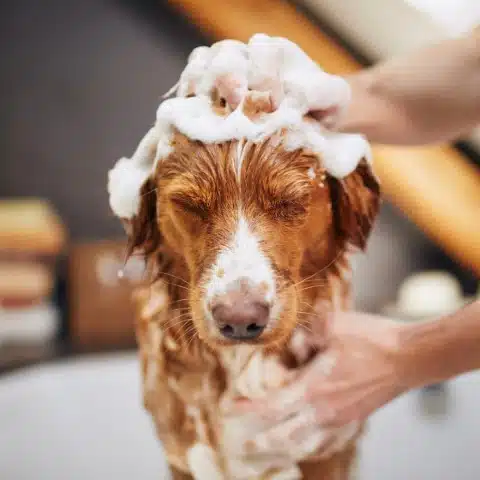
After nearly two decades of working hands on with dogs across Northern Virginia, I've learned something that surprises a lot of pet parents: grooming isn't about vanity. It's not just about a shiny coat or a fresh from the salon smell. Good dog grooming supports your dog's overall health, comfort, mobility, and even their confidence.
I've seen it firsthand. A dog who was scratching constantly and acting irritable turned out to have painful mats pulling at their skin. Another pup who seemed reluctant to walk on hard floors simply had overgrown nails throwing off their whole posture. These weren't behavioral problems. They were comfort problems, and grooming was part of the answer.
Ready to Get Started?
Your dog deserves structured exercise, fun social enrichment, and a personalized fitness plan. Begin your journey today!
Get Started
Here's the thing: no two dogs are the same. Your dog's grooming needs depend on their breed, coat type, lifestyle, and individual personality. Some dogs need frequent professional pet grooming, while others do fine with less. So how do you know when it's time to book a grooming appointment?
Let me walk you through the seven signs I tell every Alexandria dog owner to watch for.
Your Dog's Coat Is Becoming Matted or Difficult to Manage
Every day, your dog sheds loose hair and dead hair. Add in dirt, moisture, and daily activity, and that hair can start to tangle. Over time, those tangles tighten into mats.
Mats aren't just unsightly. They pull painfully at the skin, trap moisture and bacteria, and can hide irritation underneath. Removing mats becomes harder and more uncomfortable the longer they're left alone. A small tangle you could brush out today can become a tight, painful knot by next week.
Long hair and certain coat types are especially prone to matting. Doodles, spaniels, and any breed with a soft or curly coat need consistent attention. If you're finding tangles behind the ears, under the legs, or along the belly, that's your cue.
A few coat care tips that make a real difference:
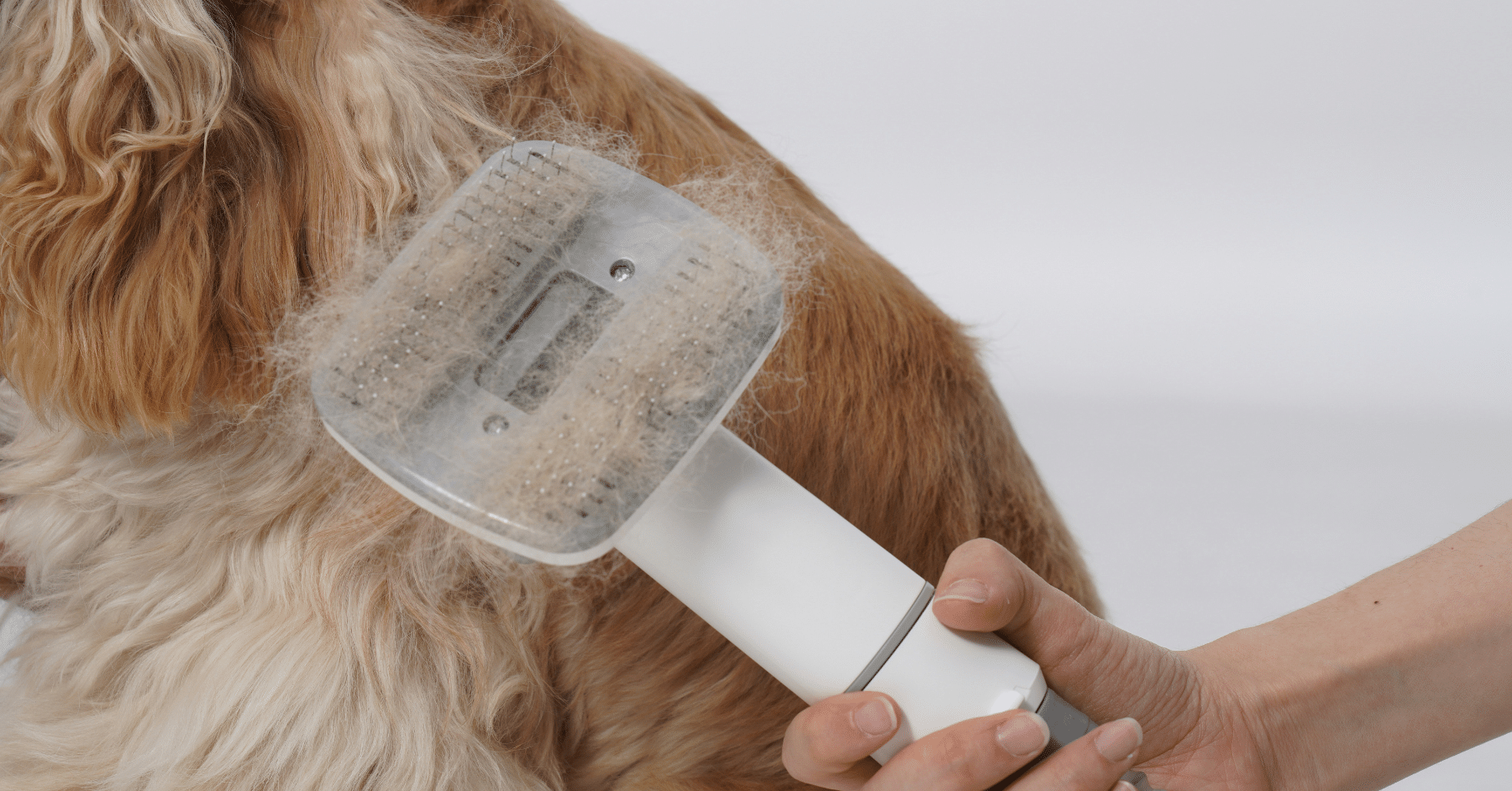
Brush regularly with a slicker brush to catch tangles before they set
Pay extra attention to friction zones like armpits, collars, and behind the ears
Never bathe a matted dog before brushing, since water tightens mats even more
When mats have already formed, this is a job for a professional groomer. Trying to cut them out yourself is one of the most common ways dogs get accidentally nicked. A skilled groomer knows how to handle grooming dogs safely, even when the coat is a challenge.
Your Dog's Nails Are Getting Too Long
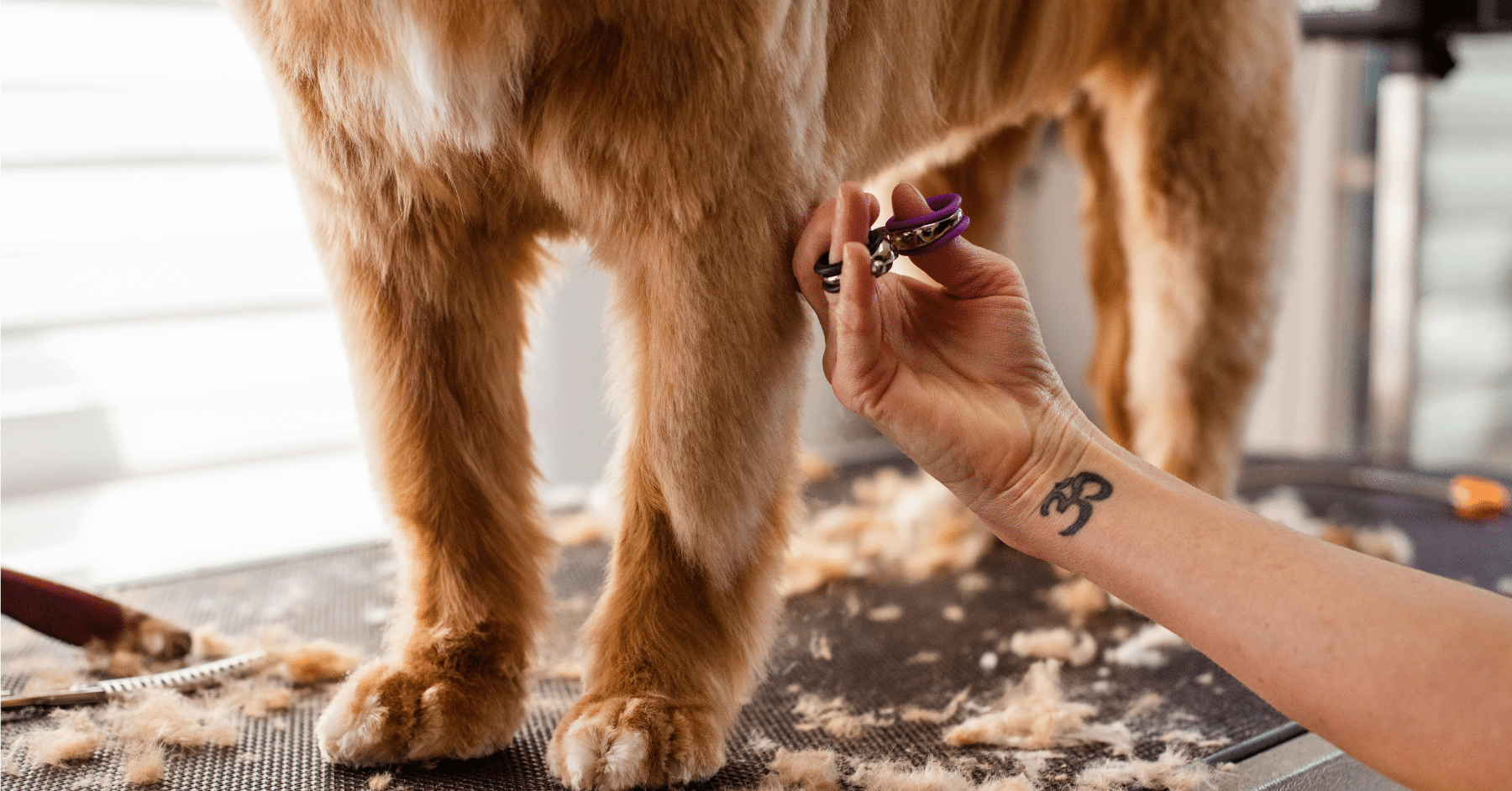
Nail trimming is one of the most overlooked parts of routine grooming, and one of the most important. Long nails aren't just a cosmetic issue. They affect your dog's gait, posture, traction, and comfort.
When your dog's nails begin to touch the ground while standing, they push back into the nail bed with every step. That's uncomfortable and, over time, can strain joints and change how your dog moves. Ever hear that click click click on your hardwood floors? That's a sign the nails are too long.
Some pet parents feel confident using nail clippers at home, and that's wonderful. Just keep a bit of styptic powder nearby in case you trim too close and hit the quick. But I completely understand that many dogs get anxious during trimming, and many owners worry about accidentally cutting too deep.
If your dog's feet have become a source of stress for either of you, there's no shame in leaving it to a professional. Keeping your dog's nails at a healthy length is a small thing that makes a big difference for their healthy feet and overall comfort.
Your Dog's Ears Need More Attention
Some dogs need far more frequent ear cleaning than others. It all comes down to breed, ear structure, coat, and lifestyle. Floppy eared breeds and dogs who swim often tend to need extra care, since moisture and reduced airflow create the perfect environment for buildup.
Watch for these signs around your dog's ears:
An unusual odor
Excessive wax or buildup
Frequent scratching at the ears
Repeated head shaking
For gentle, routine cleaning, you can dampen a cotton ball with a vet approved ear solution and softly wipe the visible part of the ear. Some owners use a small amount of mineral oil for maintenance. Always be gentle and never push anything deep into the ear canal.
Here's my important caveat: grooming is not a substitute for veterinary care. If you notice signs of a real ear problem, like discharge, swelling, redness, or pain, please see your vet. Ear infections are genuinely uncomfortable, and they need proper treatment.
Your Dog's Coat Looks Dull, Greasy, or Unusually Dry
Your dog's coat tells a story. When it looks dull, feels greasy, or seems unusually dry, it's often a sign their coat care routine needs a little attention.
Regular bathing and brushing help remove buildup, loose hair, and dead hair, letting the healthy coat underneath shine through. But here's a mistake I see often: over-bathing. Frequent bathing can strip away the natural oils that keep your dog's skin and coat healthy, leaving them drier than before.
A few things to keep in mind:
Use warm water, never hot, for a comfortable bath
Choose a gentle shampoo made specifically for dogs
Match your grooming products to your dog's coat type
Dogs with smooth coats generally need less frequent bathing than those with thick or long hair. If your dog's coat isn't bouncing back with your usual routine, a professional groomer can help reset things and recommend a plan tailored to their coat type.
Your Dog Is Developing Skin Irritation or Unusual Odor
One of my favorite things about regular grooming is that it puts your hands on your dog. While brushing or bathing, you're in the perfect position to notice changes you might otherwise miss.
Keep an eye out for:
Redness or skin irritation
Excessive scratching
Bumps or lumps
Unusual odors that linger even after a bath
The grooming process is really an early warning system. When you know what your dog normally looks and feels like, you're far more likely to catch something new before it becomes a bigger issue.
That said, persistent or concerning skin irritation isn't something to solve with a bath alone. If the redness, itching, or odor doesn't clear up, please have your veterinarian take a look. Grooming keeps your dog comfortable, but your vet keeps them healthy, and the two work best together.
Your Dog's Dental Care Is Being Overlooked
Grooming isn't limited to the coat and nails. Dental care is one of the most important, and most neglected, parts of a dog's wellness routine.
Signs your dog's teeth need attention:
Persistent bad breath
Visible buildup or discoloration
Red or irritated dog's gums
Difficulty chewing
Changes in how they eat
Ignored dental disease is a serious health concern. It can lead to pain, tooth loss, and even affect internal organs over time. It's easy to overlook because it happens slowly, but your dog can't tell you their mouth hurts.
Professional grooming can support basic oral hygiene, and brushing your dog's teeth at home helps too. But please remember, this doesn't replace veterinary dental care. Regular dental checkups with your vet are essential for keeping that smile healthy.
Your Dog Hasn't Had a Professional Grooming Appointment in a Long Time
Sometimes there's no dramatic sign at all. Your dog looks relatively clean, seems comfortable, and nothing is obviously wrong. But if it's been a long time since their last professional grooming appointment, that alone is worth paying attention to.
Consistent, regular grooming supports coat maintenance, nail care, paw care, ear care, and general hygiene all at once. Grooming needs vary from one dog to another, but nearly every dog benefits from a routine.
If getting to a salon feels overwhelming, or if your dog does better in a familiar setting, mobile grooming can be a wonderful option. Having a professional groomer come to you takes the stress out of the experience for anxious dogs and busy families alike.
And remember, the goal here isn't a fancy "spa day." It's about keeping your dog genuinely comfortable, healthy, and cared for.
What Regular Grooming Can Help You Keep Track Of
One of the biggest benefits of regular grooming is that it turns care into observation. Every session is a chance to check in on your dog's whole body. Here's what to monitor:
Coat: Brushing quality, loose hair, mats, and overall condition
Nails: Length, cracking, and comfortable movement
Teeth: Basic hygiene and any noticeable changes
Paws: Trapped hair, debris, irritation, and general paw care
Skin: Redness, dryness, bumps, or unusual changes
Eyes: Discharge or other visible changes worth watching for
These small, routine observations help you spot when something needs a closer look. Eye care, for instance, is easy to overlook until a bit of extra tearing or cloudiness catches your attention during grooming. You know your dog better than anyone, and grooming gives you a regular window into how they're really doing.
How Often Should You Schedule Dog Grooming?
I wish I could give you one simple answer, but the truth is there's no single schedule that works for every dog. The right rhythm depends on your dog as an individual.
Consider these factors:
Breed
Hair length
How much they shed
Their daily lifestyle
Time spent outdoors
Skin and health needs
How quickly their nails grow
A long haired, active dog who loves muddy Northern Virginia trails will need grooming far more often than a short coated homebody. Some dogs thrive with monthly professional grooming, while others do well with longer stretches between appointments.
My best advice? Establish a regular grooming routine built around your dog's specific needs. Consistency is where the real benefits show up.
When Grooming Should Involve Your Veterinarian
I want to be very clear about this, because it matters. Groomers, myself included, can spot changes and flag concerns. But we are not substitutes for veterinary professionals.
Please loop in your veterinarian for anything persistent, including:
Signs of an ear problem
Dental concerns
Sudden changes in the coat
Pain or sensitivity when touched
Unusual odors that don't resolve
The healthiest dogs I've known belong to owners who treat grooming, preventive care, and veterinary care as one connected system. Each one supports the others. Grooming helps you notice, your vet helps you treat, and together they keep your dog thriving.
Why I Believe Grooming Is Part of Complete Canine Wellness
At Canine Cardio, I believe wellness means caring for the whole dog not simply tiring them out. Grooming supports physical comfort, confidence, hygiene, and overall health.
Regular brushing reduces shedding and keeps homes cleaner, while helping prevent painful tangles.Long, curly, and silky coats often need daily brushing; medium and double coats typically need 1–2 times weekly, with double coated breeds needing 2–4 times weekly during shedding seasons. Curly or non shedding coats may need brushing every 2–3 days and trims every 4–6 weeks. Short coats generally need weekly brushing. Bathing should happen at least every three months, with frequency depending on coat type. Always use a dog specific, pH balanced shampoo to help prevent skin irritation. A rubber grooming glove works well for short coats, while a curved wire slicker brush is useful for long, straight coats.
Nail trimming helps prevent painful injuries and infections, while dental care is equally important. About 80% of dogs show signs of dental disease by age three, so I recommend brushing their teeth several times a week with dog specific toothpaste and a proper dental kit.
For busy owners, mobile grooming can also save 60–120 minutes per appointment. To me, grooming isn't just about appearance it's another way to provide the structure, care, and consistency dogs need to live healthier, happier lives.
Conclusion: Know When Your Dog Is Asking for More Care
Your dog can't tell you when something feels off, but they show you in small ways every single day. A matted coat, clicking nails, itchy ears, a dull coat, irritated skin, neglected teeth, or simply too much time since the last appointment. These are the seven signs worth watching for.
So pay attention to changes in your dog's coat, nails, ears, skin, teeth, paws, and overall comfort. You don't have to catch everything at once. Consistent, regular grooming is a practical, achievable part of keeping your dog healthy and happy.
Here's what I've learned in nearly twenty years of caring for Northern Virginia's dogs: small, consistent care adds up to a meaningful difference in your dog's everyday life. Your dog gives you their whole heart. A little attention to their grooming is one of the simplest, most loving ways to give it right back.