Dog Grooming Tips For Active Dogs In Arlington And Alexandria
September 30, 2026
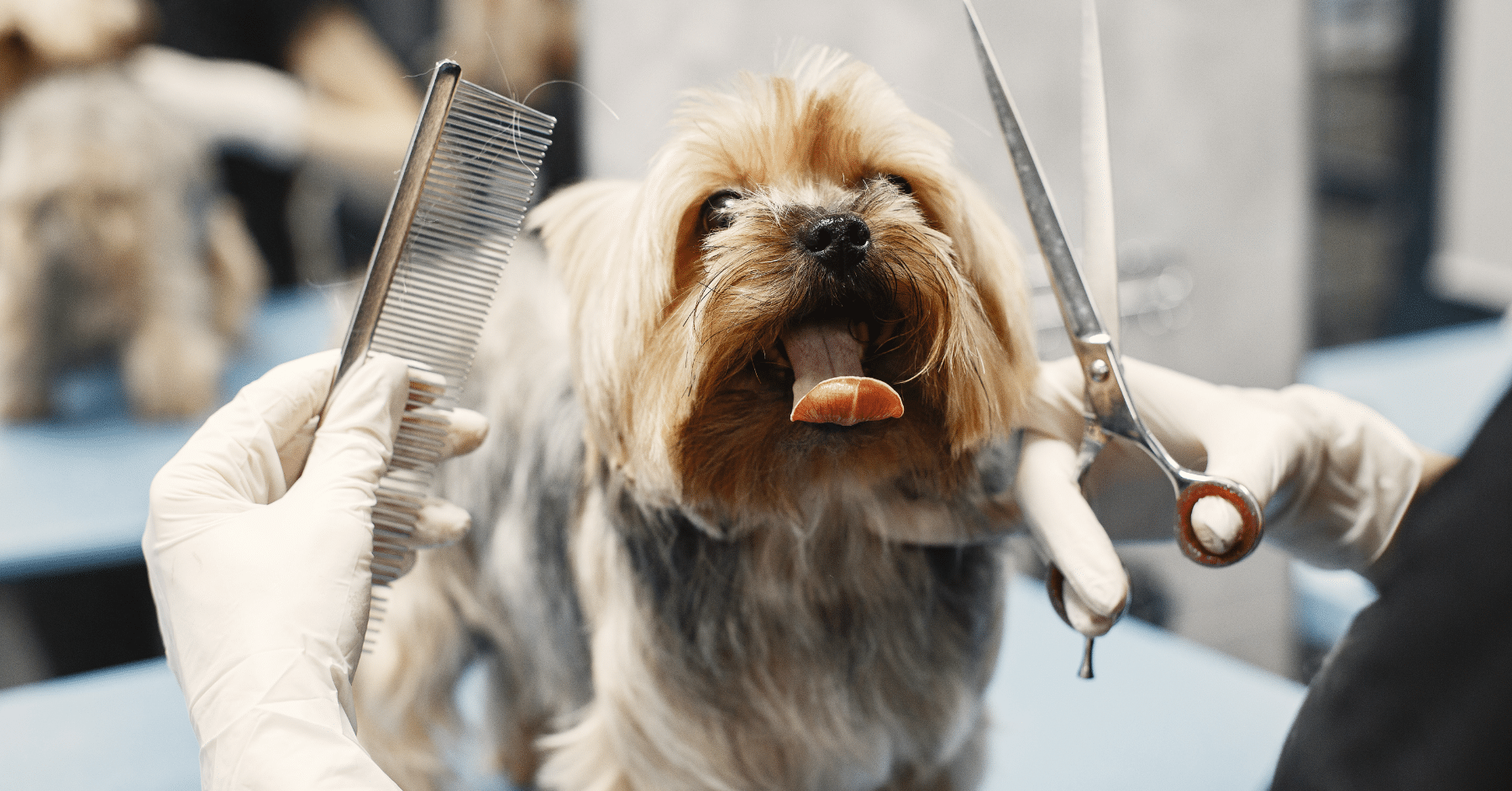
Active dogs in Arlington and Alexandria stay healthiest with a simple routine daily or weekly brushing, nail checks, ear checks, bathing when needed, and a full professional groom every 4 to 8 weeks. Grooming supports coat health, comfort, mobility, and early detection of health issues, not just good looks.
When I first started walking dogs across Northern Virginia nearly two decades ago, I thought exercise was the whole story. Give a dog enough movement, I figured, and everything else falls into place. But after working with hundreds of active dogs here in Arlington and Alexandria, I learned something that shapes how we do things at Canine Cardio: a fulfilled, healthy dog needs more than a good run. Grooming, handling, hygiene, and recovery all matter just as much.
Ready to Get Started?
Your dog deserves structured exercise, fun social enrichment, and a personalized fitness plan. Begin your journey today!
Get Started
Think about what an active dog collects in a single day. Mud from a trail. Loose hair from a hard play session. Debris caught behind the ears and around the harness. A dip in a pond that leaves the coat damp for hours. Dogs who spend their days moving, exploring, and playing hard need consistent grooming to stay comfortable and clean.
That's what this guide is about. I want to help Arlington and Alexandria pet parents keep their dogs comfortable between professional grooming appointments. Grooming isn't about vanity—it's about health, comfort, coat condition, and catching small problems before they become big ones. Let's get into it.
Why Regular Dog Grooming Matters for Active Dogs
Active dogs tend to need more consistent grooming than dogs with quieter, more sedentary routines. That makes sense when you consider how much more they're exposed to—dirt, moisture, grass, pollen, and everything else Northern Virginia's seasons throw their way.
Regular dog grooming delivers real benefits:
Keeps the coat clean and healthy
Helps reduce matting and skin irritation
Controls loose hair and excessive shedding
Keeps dogs smelling fresh
Maintains a comfortable coat length
Keeps your dogs eyes, ears and paws cleaner
Supports overall comfort and hygiene
There's a functional side too. A well-maintained coat helps a dog regulate body temperature more comfortably, which matters during our humid Virginia summers and chilly winters alike. The American Kennel Club offers a helpful at-home grooming overview covering brushing, bathing, and coat care that's worth bookmarking.
How Often Should an Active Dog Be Groomed?
There's no single answer, because breed, coat type, and lifestyle all play a role. Here's how I generally think about it.
Full Grooming Every 4 to 8 Weeks
A full groom is generally recommended every 4 to 8 weeks. Dogs who are frequently outside, attending daycare, or exercising regularly often benefit from staying toward the more consistent end of that range. The key is maintaining a routine rather than waiting until the coat becomes badly tangled or the nails grow too long. By then, grooming becomes harder on everyone—especially the dog.
Premium Baths Every 2 to 4 Weeks
Between full appointments, a premium bath every 2 to 4 weeks can help active dogs stay clean. How often really depends on your dog's coat, skin, and activity level. Some dogs thrive on more frequent bathing; others do better with less. The ASPCA notes that most dogs don't need frequent baths, so let your dog's individual needs and your groomer's guidance lead the way. You can review their dog grooming tips for more on bathing basics.
Brushing Tips for Dogs That Exercise and Play Often
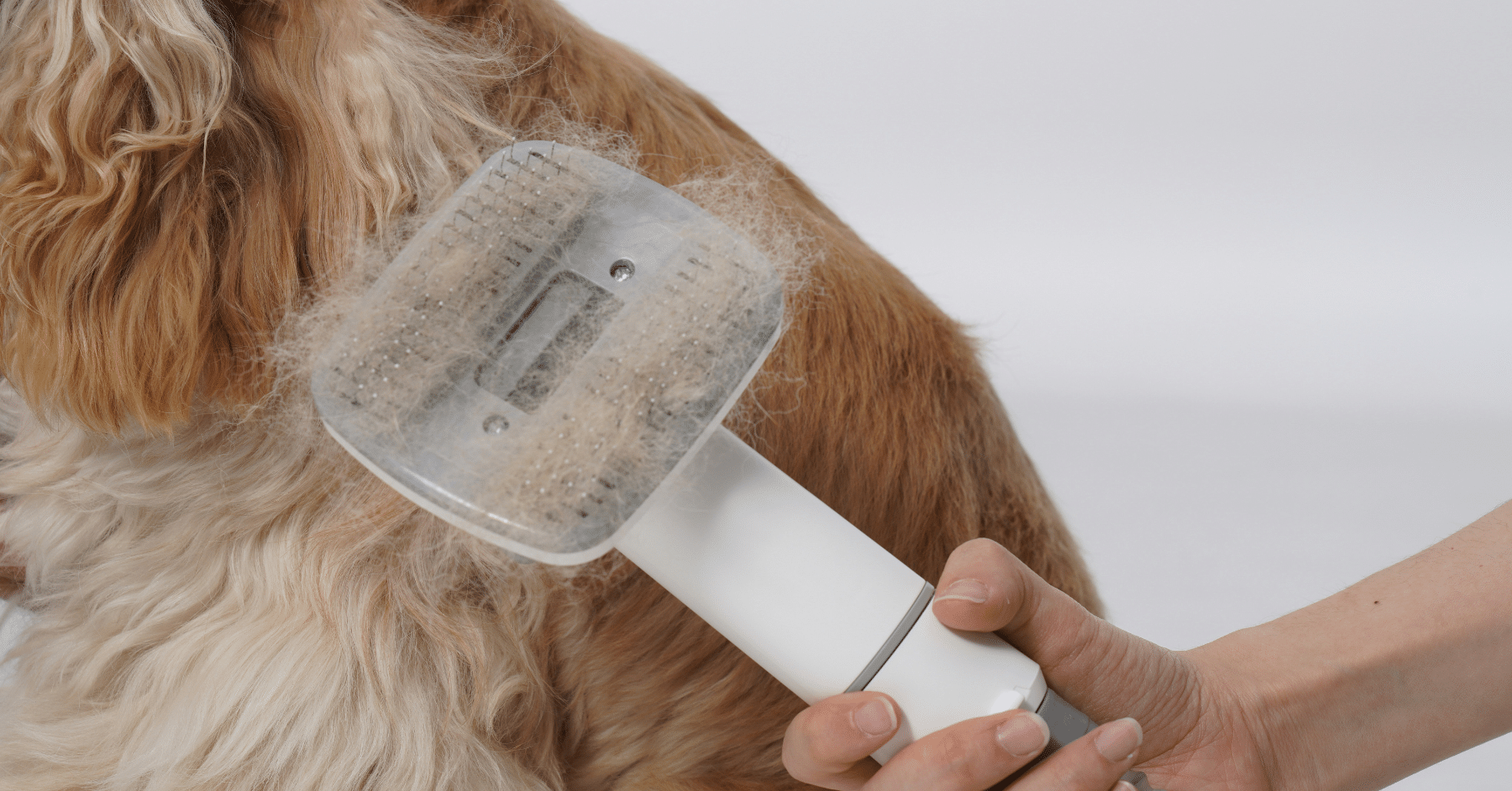
Brushing is the easiest and most valuable grooming task you can do at home. It removes dead skin cells, debris, loose hair, and excess oils, all while preventing mats and tangles before they take hold.
For long-haired dogs, daily brushing is often necessary to prevent severe matting. Active dogs also tend to pick up extra dirt and debris that settles deep into the coat, so a quick daily once-over pays off.
Pay special attention to the areas that tangle most:
Behind the ears
Around the legs
Under the collar or harness
Around the tail
One trick I always share: brush before you bathe. Working through the coat first loosens hair and tangles, which makes the bath far more effective and less frustrating.
Bathing and Coat Care After Active Days
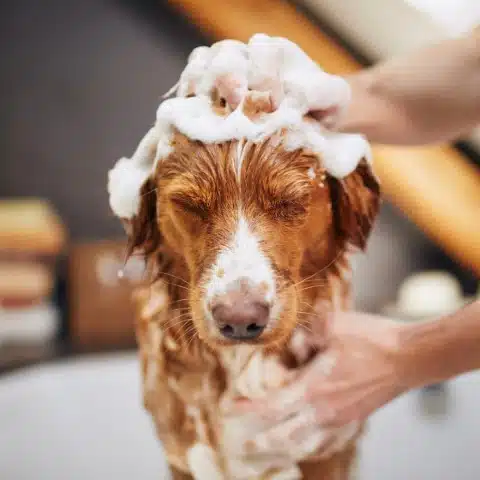
After a muddy hike or a swim, your dog may need a good rinse or bath. When you do bathe, always reach for dog-safe grooming products rather than human shampoo. A dog's skin has a different pH than ours, and human products can cause irritation.
The goal of bathing is cleanliness without unnecessarily drying out or irritating the skin. Keeping the coat clean also helps minimize odors and prevents debris from building up—something that matters a lot for dogs who swim, hike, or spend hours outdoors.
Remember that coat type and breed shape how often bathing and professional grooming make sense. A short-coated retriever and a curly-coated doodle have very different needs.
Don't Forget Your Dog's Ears
Ear care is especially important for active dogs, and it's easy to overlook. Dogs who swim or run through tall grass are prone to trapping moisture and debris in their ears, which can lead to irritation.
Check your dog's ears regularly for:
Dirt or debris
Excess moisture
Unusual odor
Redness
Signs of irritation
Regular ear cleaning, when appropriate for your individual dog, helps maintain cleanliness. Groomers often spot early ear problems, but persistent irritation, discharge, or signs of infection should always be evaluated by a veterinarian. The AKC has a clear, safe guide on how to clean a dog's ears—and one rule I'll repeat: never insert anything deep into the ear canal.
Keep Your Dog's Nails at a Safe Length
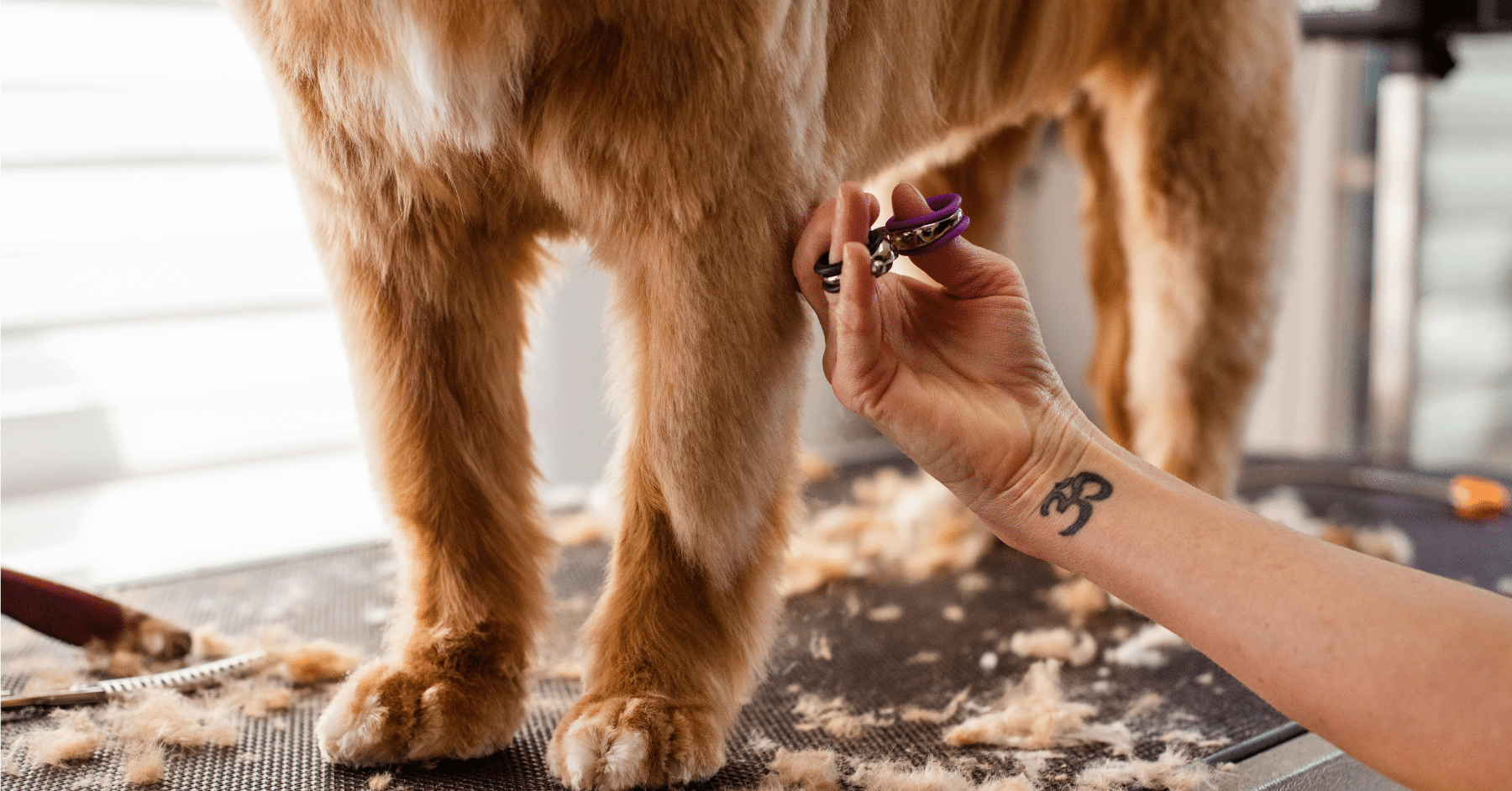
Nail care affects far more than appearance—it directly impacts how your dog moves. Regular nail trims help prevent cracking, overgrowth, rough edges, posture problems, and discomfort while walking.
Here's something many owners don't realize: overly long nails can change how a dog stands and moves, and over time this may contribute to joint discomfort. According to VCA Animal Hospitals, most dogs need their nails trimmed approximately once a month, though dogs frequently walked on pavement may wear their nails down naturally and go longer between trims.
You have options depending on your dog's tolerance. Traditional nail trimming works well for many dogs, while nail grinding leaves smooth edges and carries less risk of hitting the quick. Nail trimming is included in most full grooming services, so you don't have to go it alone. If you do trim at home, help your dog gradually get comfortable having their paws handled first.
Teeth Brushing Is Part of Grooming, Too
Pet grooming isn't only about the coat—oral care belongs in the routine as well. Regular brushing with pet-safe toothpaste (never human toothpaste) helps reduce plaque buildup and bad breath.
PetMD recommends brushing your dog's teeth at least two to three times per week, ideally daily, to help prevent dental disease. Some premium grooming packages include teeth brushing, which is a nice bonus. Just keep in mind that home dental care and professional veterinary dental care serve different purposes—one maintains, the other treats.
What Is Included in Dog Grooming Services?
Grooming services vary by groomer, package, breed, and coat condition. Most professional grooming services include some combination of:
Bath
Drying or blow dry
Haircut or trimming
Nail trim
Ear cleaning or ear care
Brushing and coat maintenance
Some full-service appointments also offer extras like sanitary trimming or anal gland expression you can add on existing grooming service. My advice? Always ask exactly what's included before you book, so there are no surprises.
What Is a Full Service Groom?
A full groom commonly includes a bath, haircut, and nail trim. The specific haircut and coat work depend on your dog's breed, coat type, condition, and your preferences. Regular full grooming keeps the coat healthy and manageable.
What Is a Mini Groom?
A mini groom bath service is great for tidy maintenance between full dog grooming appointments. It typically pairs a bath with light trimming, helping active dogs stay presentable and comfortable—without replacing a complete groom when one is genuinely needed.
What Is a Premium Bath and Blow Dry?
A premium bath often includes extra treatments beyond a standard wash. Some packages add teeth brushing or special coat treatments. As always, confirm what your chosen groomer includes before booking.
How Grooming Can Help You Catch Health Problems Early
This is one of my favorite things about consistent grooming: it forces a regular, hands-on inspection of your dog's entire body. While brushing or bathing, you're in a perfect position to notice:
Lumps or unusual bumps
Skin irritation
Parasites, fleas, or ticks
Ear problems or infections
Changes in the coat
Professional groomers often catch changes that owners haven't noticed. Groomers don't replace veterinarians, of course—but a grooming appointment can be one more opportunity to flag something worth a vet visit. This fits right into how we think at Canine Cardio: regular care helps us notice changes early instead of ignoring them until they escalate.
How Positive Reinforcement Can Make Grooming Easier
The grooming process shouldn't be a battle. If your dog dreads it, forcing them through the process only builds stronger negative associations. Positive reinforcement flips the script by helping dogs connect handling with good things.
Start small and go at your dog's pace:
Touch and hold the paws briefly
Handle the ears gently
Brush for short periods
Reward calm behavior with treats and praise
Gradually introduce grooming tools
Consistent, gentle handling helps dogs grow comfortable over time. The AKC's guidance on desensitization and counter-conditioning is a great resource if your dog is especially nervous. This mirrors what we emphasize at Canine Cardio every day—calm, structured experiences build confidence, and confident dogs handle life's routines with far less stress.
Mobile Dog Grooming Salon: Is It a Good Option for Active Dogs?
Mobile grooming is one option worth considering, especially for busy Arlington and Alexandria families. It eliminates the trip to a grooming salon and brings professional grooming right to your driveway.
The biggest advantages are convenience and one-on-one attention. A controlled mobile environment can be a real help for dogs who feel overwhelmed in busy salons full of noise and other animals. That makes it particularly appealing for anxious or senior dogs. Reducing trips to shared facilities may also lower a dog's exposure to germs and fleas—though no grooming environment can eliminate every risk entirely.
Mobile grooming prices vary and depend on factors like:
Breed
Dog size
Coat condition
Hair length
Services requested
Grooming frequency
Mobile grooming is a good option for some dogs, but it isn't automatically the right choice for every dog. Weigh your dog's temperament and your own schedule when deciding.
How Much Should You Tip a $100 Dog Groomer?
Tipping usually reflects the quality of service, the complexity of the appointment, and how satisfied you are—rather than being a hard rule. For a $100 grooming appointment, NerdWallet notes that the industry standard of 15% to 20% would work out to roughly $15 to $20. Many owners choose to tip more when a pet groomer handles a difficult coat, a nervous dog, or an especially time-consuming appointment. Use your judgment and reward great work.
What Is the Going Rate for a Dog Groomer?
Grooming prices vary considerably, and there's no universal number. The major factors include:
Breed and size
Coat type and condition
Length and amount of hair
Grooming frequency
Services requested
Geographic location
Arlington, Alexandria, and the broader Northern Virginia market may have different pricing than other parts of the country. Mobile grooming often costs more than a traditional salon appointment because of the added convenience and individualized attention. When comparing prices, look at what's actually included rather than the headline number alone.
How Much Does It Cost to Groom a Dog at Petco?
Large grooming chains like Petco set prices based on your dog's size, breed, coat, and the services you select. Prices change over time and vary by location, so check the current rates for your specific dog rather than relying on a fixed figure. Independent groomers, salons, and mobile groomers structure their pricing differently, so it's worth comparing a few options to find the right fit.
How Often Should Active Dogs in Arlington and Alexandria Be Groomed?
Here's a simple maintenance framework I share with pet parents:
Daily brushing: Often needed for long-haired or easily matted dogs
Every 2–4 weeks: Consider premium baths or extra maintenance when appropriate
Every 4–8 weeks: A general full-grooming timeframe for many dogs
As needed: Nail trims, ear care, brushing, and cleanup based on lifestyle
Breed, coat type, age, your pets skin sensitivity, exercise level, and activity environment all factor in. The bottom line: build a routine instead of waiting for visible problems to appear.
Grooming Tips for Dogs Who Attend Daycare and Exercise Regularly
The dogs we work with at Canine Cardio move a lot, and grooming complements that lifestyle beautifully. After active days, give your dog a quick check for:
Burrs
Dirt and mud
Moisture
Loose hair
Paw debris
Tangles
A short inspection after outdoor adventures keeps small issues from turning into matted coats or irritated paws. Structured exercise and consistent grooming go hand in hand—a physically active dog still needs cleanliness, handling, recovery, and routine care to truly thrive.
My Approach to Canine Wellness: Grooming Is Part of the Bigger Picture
After years of caring for Northern Virginia's dogs, I've come to see wellness as a whole picture, not a single activity. Grooming connects with movement, enrichment, structure, behavioral confidence, healthy routines, recovery, and preventive care—each piece supporting the others.
At Canine Cardio, our goal was never simply to tire dogs out. We want dogs to become stronger, calmer, healthier, and more confident. Grooming is one meaningful piece of that lifestyle. A dog who is exercised, enriched, well-handled, and well-groomed is a dog who feels good in their own skin.
Frequently Asked Questions About Dog Grooming
How often should I groom my active dog?
Most dogs benefit from a full groom every 4 to 8 weeks, with active dogs often trending toward the more frequent end. Breed, coat type, and lifestyle all shift the ideal schedule, so adjust based on your individual dog's needs.
Does regular brushing minimize shedding?
Yes. Brushing removes loose hair before it spreads around your home and helps keep the coat healthy. For active and long-haired dogs, frequent brushing makes a noticeable difference in shedding and coat condition.
Can grooming help prevent skin irritation?
It can. Brushing and coat maintenance reduce mats, trapped debris, and excess moisture—all common contributors to irritation. Grooming also lets you spot early signs of irritation so you can address them quickly.
Does grooming include a nail trim?
Nail trimming is included in many grooming services, but not always. Confirm what's included when you book so you know whether nails are covered or need to be requested separately.
Is mobile grooming better for anxious dogs?
For some anxious dogs, yes. A one-on-one, controlled environment and no trip to a busy salon can lower stress significantly. It isn't the right fit for every dog, so consider your dog's temperament before choosing.
How often should my dog's nails be trimmed?
Most dogs need a nail trim about once a month, though dogs walked frequently on pavement may go longer. Watch for nails touching the ground or clicking on hard floors—both signs it's time for a trim.
Can grooming help me find health problems early?
Absolutely. Regular grooming gives you a hands-on chance to notice lumps, parasites, skin irritation, ear issues, or unusual changes. Groomers often catch things owners miss, though anything concerning should be checked by a veterinarian.
Final Thoughts: Keep Your Active Dog Comfortable Between Grooming Appointments
Grooming your active dog doesn't have to be complicated. A simple routine—regular brushing, paw checks, nail care, ear checks, bathing when appropriate, and a professional groom every 4 to 8 weeks—covers the essentials beautifully.
Remember that grooming supports so much more than appearance. It protects comfort, cleanliness, coat health, and mobility, while giving you an early window into potential health concerns. For Arlington and Alexandria dog owners, that everyday care is one of the kindest things you can do for a hardworking, happy dog.
Active dogs thrive when exercise, enrichment, structure, recovery, and everyday care all work together. If you're looking for a trusted Northern Virginia partner to help your dog live a longer, healthier, more fulfilled life, we'd love to welcome you into the Canine Cardio pack.