Dog Training in Arlington, Virginia: How the Right Program Builds Better Habits
September 11, 2026
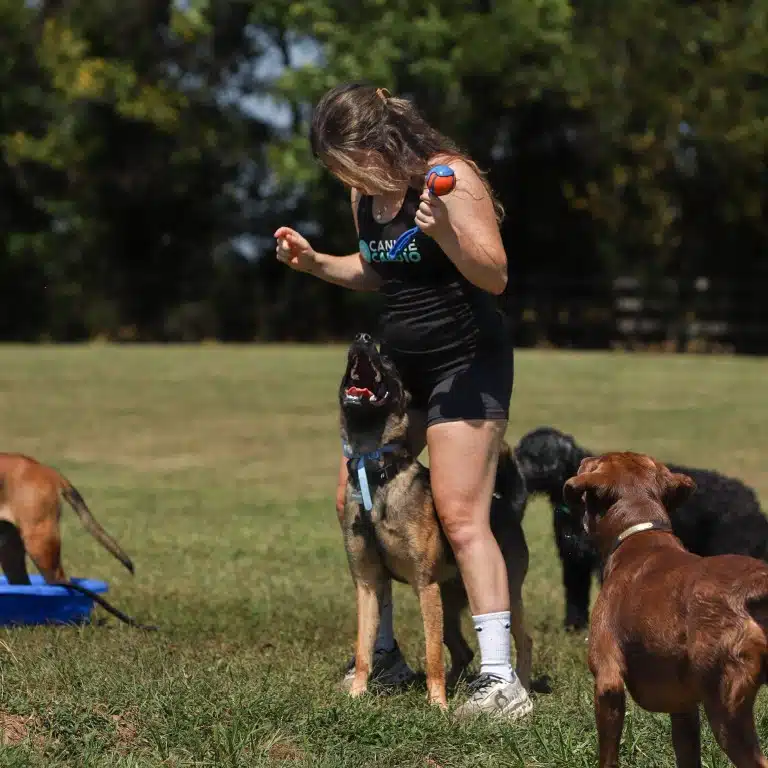
The right dog training program in Arlington, Virginia combines relationship-based methods like positive reinforcement and clicker training with consistent, real world practice. Whether you choose group classes, private lessons, or both, the goal isn't just obedience it's building trust, communication, and habits that hold up in everyday life, not just inside a training room.
When I first started walking dogs across Northern Virginia nearly two decades ago, I believed exercise was the whole answer. Tire a dog out, and you'd have a good dog. But after working with hundreds of dogs, one truth kept surfacing: movement alone isn't enough. What dogs truly crave is structure, communication, and calm leadership.
Ready to Get Started?
Your dog deserves structured exercise, fun social enrichment, and a personalized fitness plan. Begin your journey today!
Get Started
I remember a young shepherd named Koda who came to us bouncing off the walls at home. His family had tried everything longer walks, more toys, even a second daycare. Nothing stuck. What Koda needed wasn't more activity. He needed clear expectations and consistent guidance. Within weeks of structured training, the "wild" dog his family described became a calm, confident companion.
That transformation is exactly why I want to talk with you about dog training in Arlington, Virginia. In this guide, you'll learn what separates a good training program from a forgettable one, how the most common dog training methods actually work, how to choose dog trainers you can trust, and how the right approach builds better habits that genuinely last.
What Makes a Good Dog Training Program?
Not all training programs are created equal, and a strong one always starts with your individual dog rather than a cookie cutter template.
Think about it. A nervous rescue, a high drive working breed, and a stubborn senior dog all need very different approaches. Good dog trainers understand how age, breed, temperament, and past experiences shape behavior, and they build a training plan around that reality not the other way around.
Here's what I encourage every Arlington dog owner to look for in a quality training program:
It's tailored to your dog. Personalized plans always outperform one size fits all obedience training.
It teaches you, too. Training should improve your communication as much as your dog's behavior.
It's rooted in relationship. Relationship based training and positive reinforcement create lasting change, not temporary compliance.
It focuses on the long game. The goal is healthier habits for life, not a quick fix that fades within a week.
When both dog and owner learn to communicate consistently, everything else tends to fall into place.
What Are the Most Common Dog Training Methods?
There's a lot of noise online about training methods, and it can feel overwhelming for dog owners trying to make the right choice. Let me break down the main approaches in plain language.
What Is Positive Reinforcement in Dog Training?
Positive reinforcement means rewarding a desired behavior so your dog understands exactly what you want. When your dog sits and earns a treat, praise, or a favorite toy, they learn that sitting brings good things so they repeat it. This is one of the core principles of operant conditioning, the science of how animals learn through consequences, and it's consistently shown to be one of the most effective ways dogs learn.
Motivation looks different for every dog. Some work hard for food. Others light up for a game of tug or an enthusiastic "good dog!" Finding what your dog values is half the battle, and it's a key reason motivation plays such a crucial role in training outcomes.
How Does Clicker Training Work?
Clicker training uses a small clicking device to mark the exact moment your dog does something right. Through classical conditioning, your dog learns to associate that clicking sound with an upcoming reward, which turns the click into a clear, reliable signal.
Why does this help? Timing. A click is faster and more precise than fumbling for a treat, so your dog knows exactly which action earned the reward. It's especially useful for teaching new skills and shaping more complex behaviors step by step.
What's the Difference Between Negative Reinforcement and Negative Punishment?
These terms confuse a lot of dog owners, so let's clear them up. Both come from operant conditioning:
Negative punishment removes something the dog wants to reduce a behavior for example, ending playtime when your dog gets too rough.
The lesson here isn't to chase trends. It's to understand why a method works before you use it on your own dog.
Are Shock Collars and Correction Based Tools Safe to Use?
Positive punishment adds something unpleasant to discourage undesired behavior. This category includes correction-based tools like shock collars and prong collars.
I want to be honest and balanced with you here. These tools exist, and some trainers use them. But they carry real risks physical, emotional, and relational when applied without deep expertise. A tool used incorrectly can create fear and confusion rather than clarity.
My advice: understand the purpose, risks, and proper application of any tool before it touches your dog. At Canine Cardio, our focus stays on clear communication, calm leadership, and purposeful training that builds trust instead of pressure.
Should You Choose Group Classes or Private Dog Training?
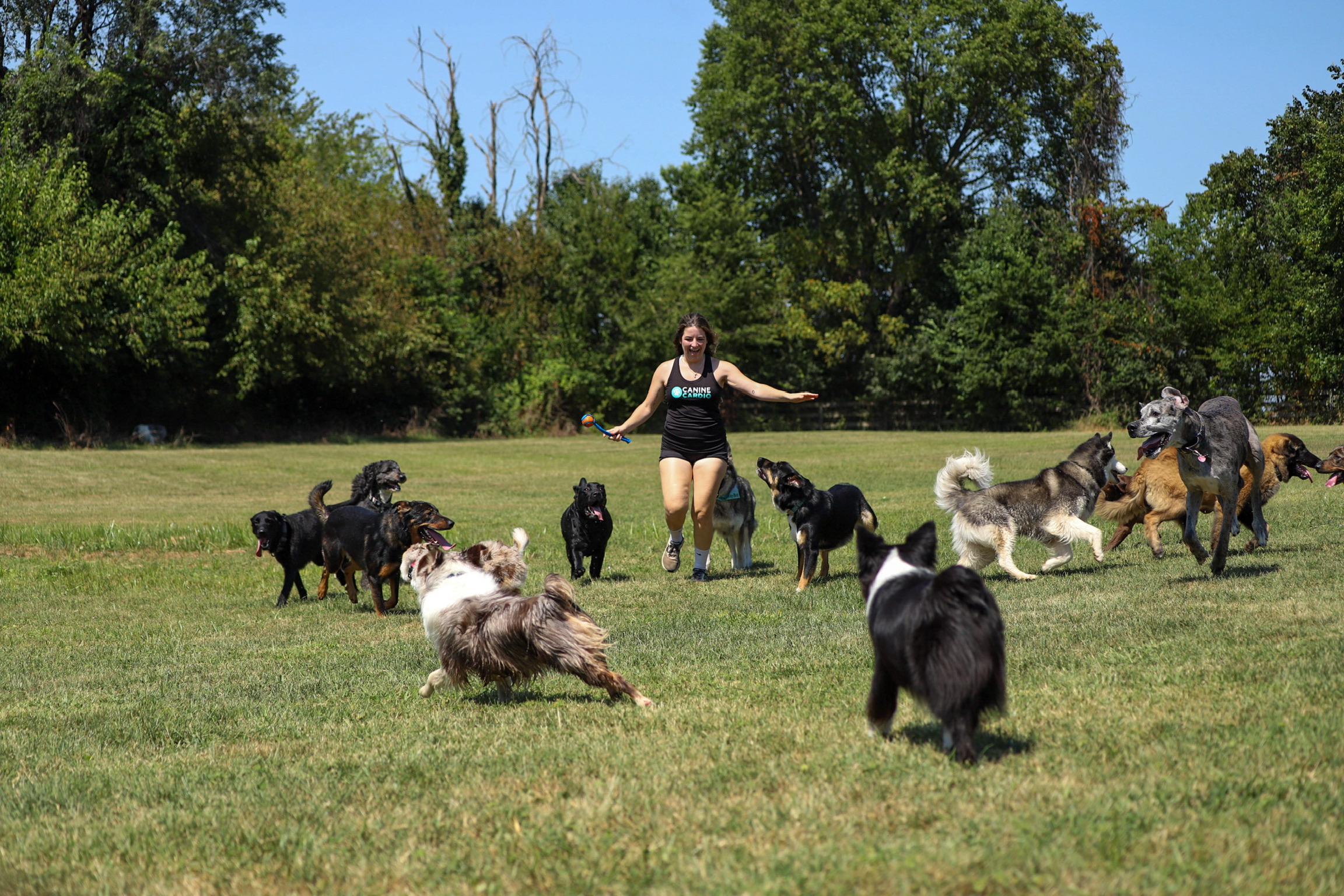
One question I hear often from Arlington dog owners is whether they should choose group classes or private lessons. Both have real value, and the right fit depends on your dog and your goals.
Group classes are great when you want to:
Practice obedience training around real world distractions
Help your dog learn to focus around other people and animals
Enjoy a structured, social class environment with fellow dog owners
Most of our group training classes run for six weeks, meeting once a week, which gives dogs enough repetition to build real skills without burning out. Puppy training classes can start as early as 10 weeks old, while beginner training classes are open to dogs 5 months and older. From there, intermediate training classes require completion of a beginner class, and advanced training classes strengthen reliability and introduce more complex skills for dogs ready to take the next step.
Private lessons are better when you need to:
Address a particular behavior concern head on
Build a highly individualized training plan
Work through your dog's specific home environment and habits
Private training is especially helpful for fearful dogs, as well as reactive or aggressive dogs who aren't ready for a crowded room. The one on one setting lets us move at your dog's pace, safely and calmly, while addressing specific unwanted behaviors that a group setting simply can't accommodate.
What Can Dogs Actually Learn Through Training?
Owners are often surprised by just how much their dogs can achieve. Training goes far beyond a polite sit. With the right guidance, dogs learn:
Basic obedience sit, stay, come, place, and loose leash walking
Better impulse control and everyday manners
New skills and advanced training for engaged, high drive dogs
Calm focus even when the world gets distracting
Consistent communication that strengthens the bond between you two
Some dogs go on to specialized roles entirely. Detection and assistance work require exceptional focus and reliability Labrador Retrievers, for instance, are often preferred for explosive detection training because of their trainability and steady temperament. Other dogs and owners pursue dog sports like agility and obedience, or work toward the Canine Good Citizen certification, a program the American Kennel Club designed back in 1989 to recognize dogs with solid manners and training.
Every one of these skills, from basic manners to advanced titles, makes daily life easier for both dog and owner.
How Do You Build Better Habits Through Consistency?
Here's a hard truth I share with every family: one training session won't change a behavior. Dogs learn through repetition, and consistency in rules helps them understand exactly what to expect.
Think of training like building a muscle. A single workout doesn't transform anything. But show up consistently, and real change follows. The same is true for your dog's habits.
A few things make consistency easier to maintain:
Short training sessions brief, focused practice prevents burnout and keeps your dog engaged rather than checked out.
Everyday reinforcement simple habits like ignoring jumping and rewarding calm behavior teach your dog what actually earns your attention.
The magic happens between formal sessions, in your everyday life. When you reinforce the same rules on your morning walk, at the front door, and during dinnertime, your dog builds reliable habits. That consistent communication is what quietly reduces undesired behaviors over time, no dramatic corrections required.
How Should You Train a Fearful, Reactive, or Aggressive Dog?
Challenging behaviors deserve extra patience and a thoughtful, individualized approach. If your dog struggles with fear, reactivity, or aggression, please know this: these behaviors aren't a reflection of a "bad dog" or a failed owner.
Fearful dogs, for instance, often need confidence building far more than they need extra obedience commands. Piling on commands to an anxious dog can actually increase stress. What they need is to feel safe and capable.
Reactive or aggressive behaviors should always be addressed safely, with professional guidance. And here's the key insight: understanding why your dog behaves a certain way is essential to choosing the right approach. Behavior is communication. When we understand the root cause, we can create a plan that actually works, rather than one that just suppresses the symptom.
Why Does Relationship Based Training Matter More Than Obedience Alone?
I believe with my whole heart that the best training strengthens the relationship between you and your dog. Training should create understanding, not confusion or fear.
Dogs also learn a great deal simply by observation, mimicking the calm energy of other dogs and people around them. That's part of why the environment you train in matters just as much as the method you choose.
When your dog trusts you and understands what you expect, they can make better choices on their own. That's the goal a dog who wants to work with you because your relationship feels safe and clear. This philosophy is the heartbeat of our Train for Reality approach at the Canine Cardio Academy. We blend positive reinforcement with calm, confident leadership so the results hold up in the real world, not just in a training room, on busy Arlington sidewalks, at the vet, and in your living room.
How Do You Choose the Right Dog Trainers in Arlington, Virginia?
Choosing a trainer is a big decision, and your dog deserves the best. As you search for dog training in Arlington, keep this simple checklist in mind:
Look for real world experience and a commitment to continued education.
Ask if training is customized to your individual dog.
Understand their methods and philosophy before you commit.
Choose trainers who guide you, too not just your dog.
Prioritize long-term behavior change over quick fixes that don't last.
A great trainer welcomes these questions. If someone can't clearly explain their approach or won't tailor it to your dog, keep looking.
How Does Canine Cardio Help Dogs Build Better Habits?
At Canine Cardio, we've built something different: a structured, trainer led approach rooted in nearly 20 years of hands on behavioral, veterinary, and enrichment experience right here in Northern Virginia.
Our behavioral training doesn't happen in a vacuum. It works alongside physical exercise and mental enrichment, because a fulfilled dog is easier to train and far happier at home. Most dogs benefit from 20 to 30 minutes of active exercise each day, and when their physical and mental needs go unmet, behavioral issues tend to follow. Training also gives dogs an outlet that reduces boredom through both physical and mental stimulation, which is part of why well trained dogs often enjoy more freedom outdoors and get to take part in more indoor and outdoor activities alongside their families.
Every program is guided by certified Pack Leaders who understand canine body language, energy, and communication, not casual attendants watching the clock. We also offer specialized options like our Therapy Dog Training program, a six week course priced at $179, for owners hoping to prepare their dogs for certified therapy work.
Through our Canine Cardio Academy and the Train for Reality philosophy, we focus on calm, confident communication that transforms behavior for good. Our mission was never to simply tire your dog out. It's to help them grow stronger, calmer, and more confident, from the inside out. And training at home, practiced consistently between sessions, is what truly builds that strong bond and establishes good behavior for life.
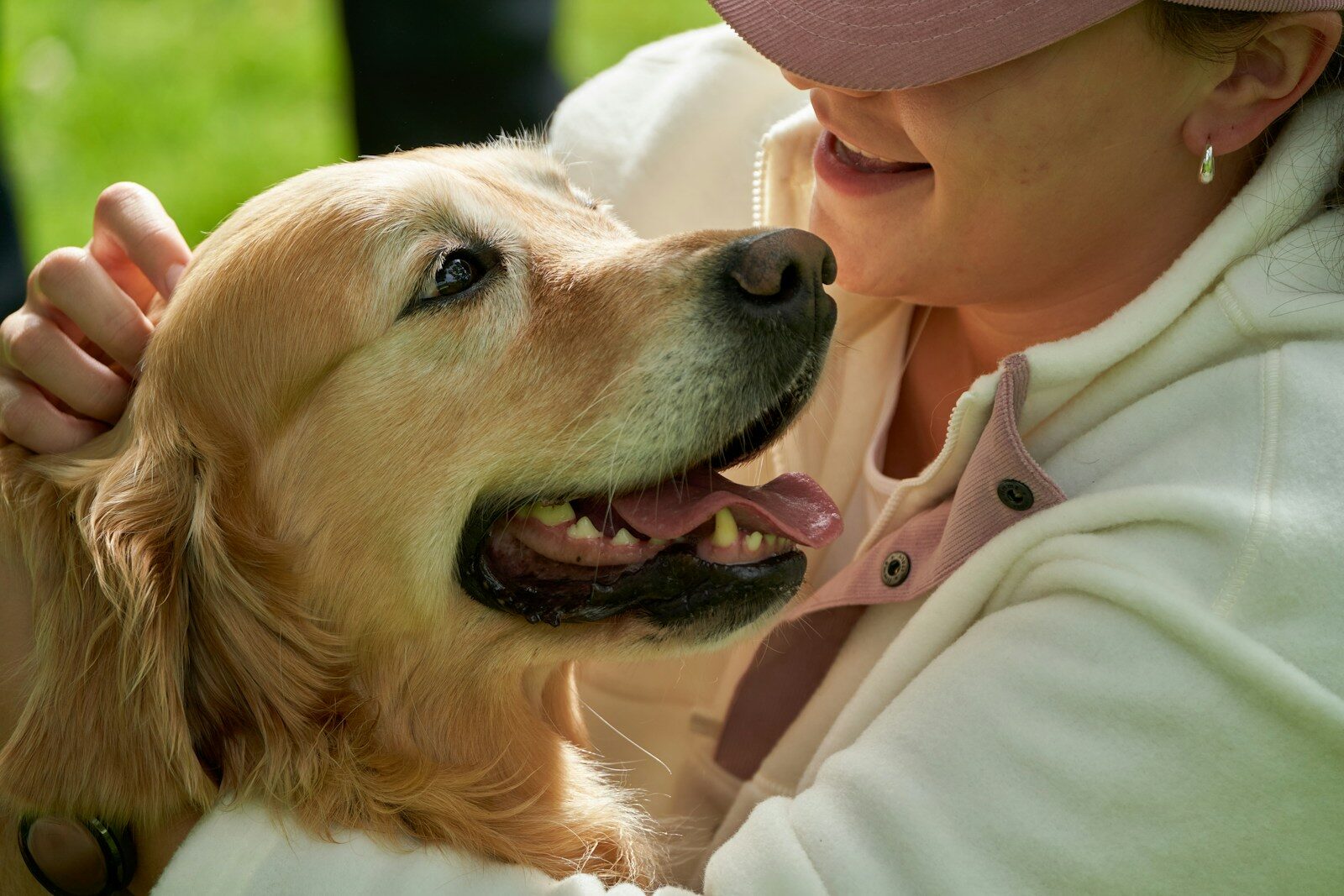
The Right Training Can Change Everyday Life
The right training doesn't just fix problems. It makes your walks more peaceful, your home more relaxed, and your social outings genuinely enjoyable. It turns everyday moments with your dog into something you look forward to.
Remember, the goal isn't perfection. It's better communication and healthier habits that last a lifetime. Every dog, and every owner, deserves that kind of connection.
If you're an Arlington area dog owner ready to build better habits, I'd love to meet you and your pup. Schedule a behavior evaluation with Canine Cardio today, and let's start your dog's journey toward calm, confident companionship, together.
Trainer Tip: The next time your dog jumps up to greet you, try turning away and ignoring the behavior completely, then reward all four paws on the floor with calm praise. This small, consistent habit teaches your dog that calm behavior gets your attention every time.
Frequently Asked Questions
How old does my dog need to be to start training classes in Arlington?
Puppy training classes can start as early as 10 weeks old, while beginner training classes for older puppies and adult dogs are open to dogs 5 months and up.
What's the difference between group classes and private lessons?
Group classes build obedience skills around real world distractions and social settings, while private lessons focus on individualized plans for specific behavior concerns, including fear, reactivity, or aggression.
How long does a typical training class last?
Most group training classes run for six weeks, meeting once a week, giving dogs enough repetition to build lasting habits.
Are shock collars necessary for effective dog training?
No. Shock collars and other correction based tools carry real risks when used without expertise. At Canine Cardio, we rely on positive reinforcement and relationship based training to build lasting, trust-based results.
Can training help with fear, reactivity, or aggression?
Yes. These behaviors typically require an individualized approach and professional guidance, often starting with private lessons that address the root cause rather than just the symptom.