Dog Treadmill Training in Arlington, Virginia: Is It Right for Your Dog?
September 15, 2026
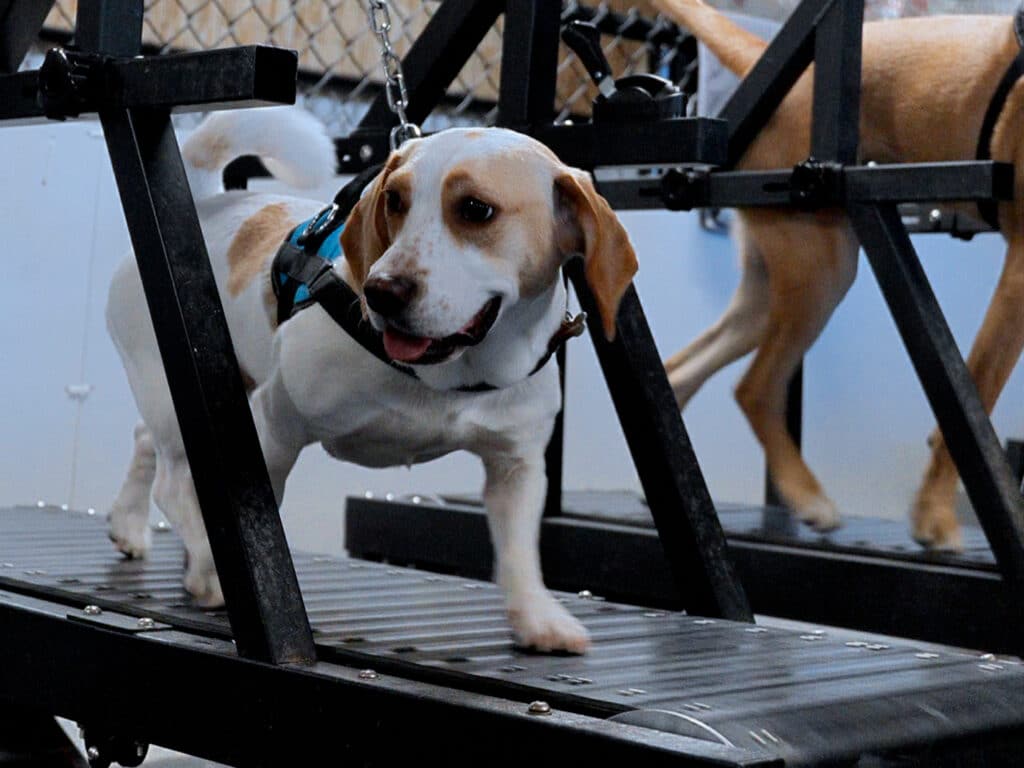
When I first started walking dogs across Northern Virginia nearly two decades ago, I believed movement alone was the answer to almost every canine problem. Tire a dog out, and everything else falls into place, right? But hundreds of dogs later, I learned something that changed how I think about exercise entirely: it isn't just about how much a dog moves it's about how they move, why they move, and whether that movement builds confidence or simply drains energy.
That lesson is exactly why I want to talk with you about treadmill training. A dog treadmill isn't a magic machine you switch on to fix a restless pup. Used well, it's a thoughtful tool that supports your dog's overall wellness one that can supplement regular walks, provide an outlet during bad weather, and offer controlled, structured movement for dogs of all kinds. Used carelessly, it can create fear and frustration.
Ready to Get Started?
Your dog deserves structured exercise, fun social enrichment, and a personalized fitness plan. Begin your journey today!
Get Started
What Is a Dog Treadmill?
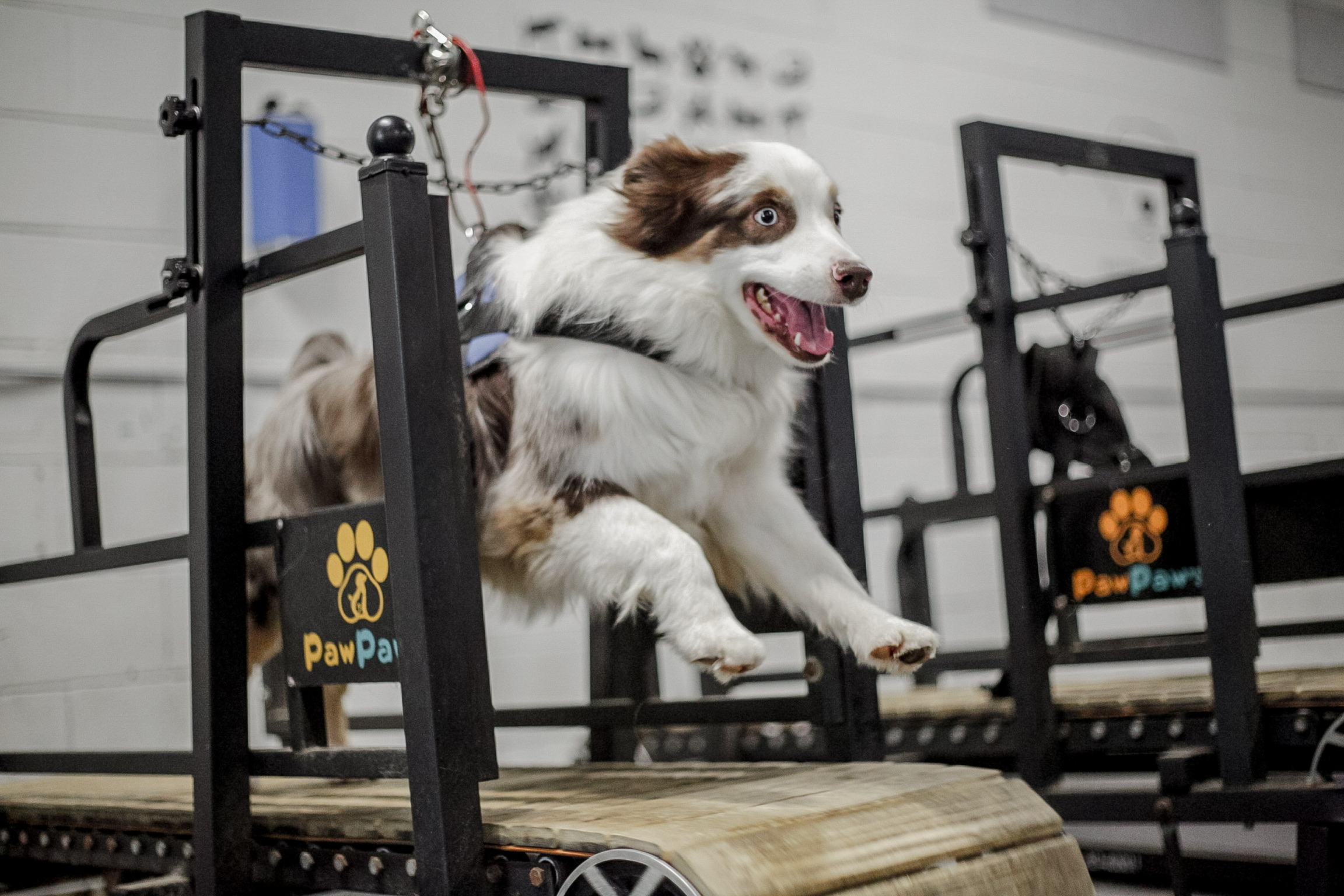
A dog treadmill is designed around how dogs naturally move, not how a person walks or runs. That difference matters because the right equipment should allow your dog to maintain a comfortable, natural gait while exercising safely.
For pet parents wondering whether a treadmill is suitable for their dog, there are several types to consider:
Slatmills are powered entirely by the dog, allowing your pup to control the pace. They can be useful for high drive dogs and endurance work.
Hydrotherapy treadmills combine controlled movement with water resistance and are generally used for rehabilitation or weight management under professional guidance.
A quality dog treadmill should also provide enough running space for your dog to fully extend their stride, a grippy belt for traction, side guards or rails for safety, gradual speed adjustments, and an emergency stop. Adjustable incline can add another level of conditioning, while a quiet motor can help reduce stress for sensitive dogs.
Deck size is especially important. Every dog has a different stride based on their size and build. A deck that's too short can force an unnatural, choppy gait and increase the risk of discomfort. As a general starting point, look for a running area around 1.5 to 2 times your dog's body length, with some dogs benefiting from even more room to fully extend.
For example, a Corgi needs very different equipment than a large breed dog. Don't forget to consider your dog's size, gait, fitness level, and training goals rather than simply buying whatever treadmill is on sale. Spending a little more money on suitable equipment can be worthwhile if it provides a safer, more comfortable workout.
A dog treadmill can also be a perfect solution when outdoor exercise isn't practical because of hot weather, snow, ice, rain, or even a late night schedule. But that doesn't mean it should replace outdoor walks, enrichment, or time spent exploring the world.
Whether you're shopping for a treadmill as a person or looking into other pet supplies, the goal should always be the same: choose equipment that helps your dog exercise safely, maintain a natural gait, and build confidence without unnecessary stress.
Dog Treadmills vs. Human Treadmills
I understand the temptation. You already own a human treadmill, so why buy another machine? Convenience is real, especially for busy owners juggling work and family.
But a human treadmill isn't automatically the right choice just because it's sitting in your spare room. Consider the differences:
Running area: Human belts are narrow and often too short for a comfortable canine stride.
Design: Handrails, consoles, and step heights are built for two legged bodies not four pawed ones.
Controls: Speed jumps designed for people can be too abrupt for dogs.
Safety: Dog treadmills include guide rails, grippy belts, emergency stop functions, and guards made specifically for paws, tails, and four legged balance.
Motor noise: Some human treadmills run louder than machines designed with dogs in mind, which can make acclimation harder for anxious dogs.
My honest advice? Prioritize appropriate equipment over convenience. Your dog's comfort and safety are worth it, because pets are family.
What Are the Benefits of Treadmill Exercise for Dogs?
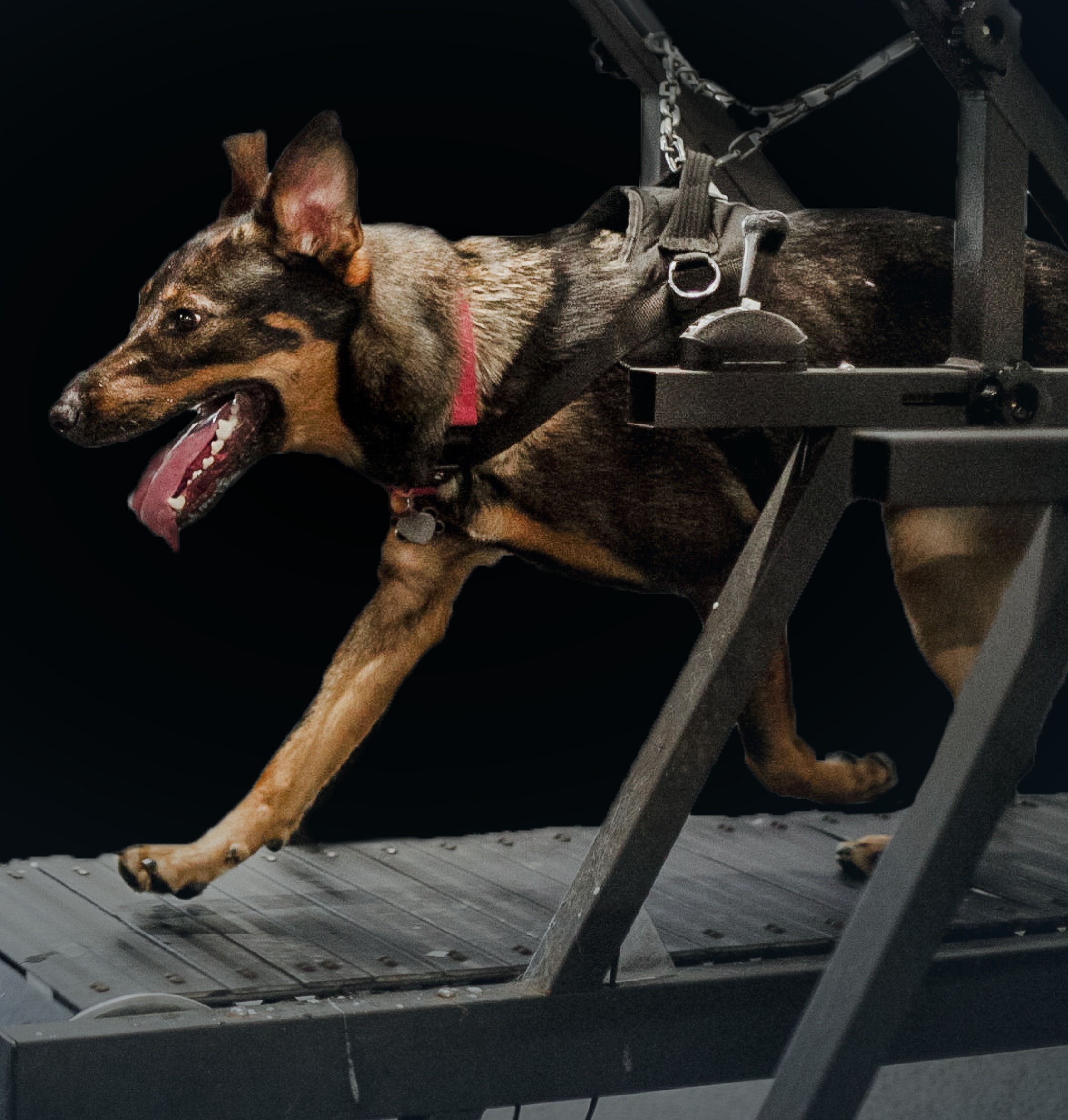
When used with intention, treadmill exercise offers real, meaningful advantages. Let's break them down.
Supports Daily Exercise
Life gets hectic. Some days, a proper walk simply isn't practical a packed schedule, an injury of your own, or a downpour outside. A treadmill provides controlled daily exercise that complements your dog's normal routine, so their body and mind still get an outlet. This is especially valuable for dogs living in apartments or busy urban environments where outdoor space is limited or unpredictable.
Helps Build Stamina and Conditioning
For healthy dogs, gradually increasing duration and pace builds stamina and endurance over time. Treadmills are an effective training tool for fitness precisely because the pace, duration, and resistance are all within your control. This is especially valuable for dogs involved in dog sports like agility or dock diving, where conditioning supports both performance and injury prevention.
Provides Exercise During Bad Weather
Northern Virginia weather doesn't always cooperate. Between summer heat, icy sidewalks, snow, and rainy stretches, bad weather can make outdoor walks unsafe or miserable. Indoor treadmill exercise offers a reliable alternative when conditions outside aren't comfortable for your pup and for apartment dwelling dogs especially, having that indoor option can be a genuine lifesaver.
Can Support Weight Management
Controlled treadmill exercise can contribute to a healthy weight but only alongside proper nutrition and your veterinarian's guidance. And please hear me on this: simply working an overweight dog harder isn't the answer. Extra weight puts strain on joints, so gentle, gradual, monitored movement is far safer than pushing for intensity. When weight is a concern, start slow, keep sessions short, and loop in your vet before establishing a routine.
Can Help Reduce Anxiety in Energetic Dogs
This one surprises some people, but structured, purposeful movement can help settle dogs who carry a lot of nervous or restless energy. A dog that's wound up, reactive, or bouncing off the walls often isn't misbehaving they're understimulated. Controlled treadmill work gives that energy a clear, productive outlet, and over time, the predictability of a structured session can help build calm confidence.
Supports Rehabilitation With the Right Oversight
Controlled treadmill movement, particularly in hydrotherapy settings, can play a meaningful role in a dog's recovery from injury or surgery. However, I want to be clear: any rehabilitation program should be directed by a veterinary professional or certified canine rehabilitation specialist. Treadmill work isn't something to improvise when a dog is healing it should be part of a monitored, professional plan.
Offers Controlled Workout Regimens
This is my favorite benefit. A treadmill lets you set and monitor:
Speed
Pace
Duration
Resistance
Incline
That level of control is priceless when you're conditioning a dog gradually. You can build fitness thoughtfully, one small step at a time, instead of guessing.
Is a Dog Treadmill Right for Every Dog?
Let me be direct: treadmill training isn't automatically right for every dog. Before I ever introduce the belt, I consider:
Fitness level — where is this dog starting from?
Size — does the equipment fit their build?
Temperament — is this dog anxious or confident?
Coordination — how do they handle their own body?
Previous training — what foundation exists?
Physical limitations — any structural concerns?
Injuries or recovery needs — is this dog healing?
If your dog has any medical concerns, please have your veterinarian evaluate them before starting a new exercise program. Rehabilitation and conditioning are not the same as giving a healthy dog a workout they call for a completely different, professionally guided approach.
How I Introduce a Dog to Treadmill Training
Patience wins here every single time. Here's my step by step process.
Step 1: Start With the Machine Turned Off
I always begin with the treadmill completely off. I let the dog approach, sniff, step on, and explore the machine at their own pace no pressure, no movement, no exercise. Familiarity with the equipment while it's still and silent is foundational. Rushing past this step is one of the most common mistakes I see.
Step 2: Create Positive Associations
Next comes calm encouragement and appropriate rewards. Forcing a nervous dog onto a moving belt is the fastest way to create lasting fear. We want the treadmill to feel safe, even fun something the dog chooses to engage with, not something done to them.
Step 3: Begin at a Slow Walking Pace
We start at a comfortable walking speed nothing more. The goal is a relaxed, consistent natural gait, never a scramble. Motorized treadmills make this easy because you can set a precise, steady speed and hold it there while the dog finds their rhythm.
Step 4: Watch for Stress Signals
Throughout every session, I'm reading the dog carefully. Signs of stress panting beyond what the effort warrants, a tucked tail, wide eyes, stiff posture, or attempts to jump off — tell me to slow down or stop. Monitoring your dog for these signals isn't optional. It's the job. The goal was never just keeping a dog on the running belt it's keeping them comfortable, safe, and confident.
Step 5: Gradually Increase Duration With a Ceiling
As confidence and stamina grow, we slowly increase session length. For most dogs, sessions should stay under 30 minutes, particularly in the early stages of training. Quality and consistency always matter more than duration a calm, focused 15 minute session beats a frantic 45 minute one every time.
What Should a Dog's Treadmill Workout Look Like?
There's no single perfect workout for every dog, and anyone who tells you otherwise isn't paying close enough attention. I adjust based on each dog, but a purposeful session generally flows like this:
Warm up — an easy start to loosen muscles
Walking pace — steady, relaxed movement
Trot when appropriate — only if the dog is ready and moving comfortably
Conditioning — gradual, purposeful effort within the dog's ability
Cool down — bringing energy back down calmly
Recovery — rest and decompression afterward
Throughout, I'm watching gait and body language closely and monitoring for any signs of overexertion. Treadmill work should always be purposeful never a race to tire a dog out.
Dog Treadmill Safety: What Every Owner Should Know
Safety isn't optional. Please keep every one of these rules front of mind:
Never leave your dog unattended on a moving treadmill. This is non-negotiable. Dogs can stumble, panic, or get a paw caught and without someone present, a small problem can become a serious one fast.
Introduce the machine gradually, starting with it turned off.
Always use the emergency stop function know where it is before you begin, and use it immediately if anything looks wrong.
Look for a treadmill with built in guide rails to keep your dog centered on the belt.
Ensure the belt is secure and grippy to absorb impact and give your dog stable footing.
Check weight capacity carefully and make sure your treadmill can comfortably handle your dog's actual weight not just a close approximation.
Choose a model with a quiet motor. Loud machines can trigger anxiety, especially in sensitive dogs, and that anxiety can undermine every session.
Keep your dog's tail, paws, and body clear of moving parts at all times.
Avoid increasing speed or incline too quickly.
Stop immediately if you see distress, pain, exhaustion, or abnormal movement.
Keep the surrounding area clear of clutter.
Your calm, attentive presence is part of what keeps your dog safe. For dogs who are brand new to the belt, that supervision is especially critical they're still learning, and they're counting on you.
Electric Dog Treadmills: What Should I Look For?
If you're considering electric dog treadmills, weigh these factors carefully before buying:
Deck length appropriate to your dog's stride aim for at least 1.5 to 2 times your dog's body length, with more room generally being better. A machine like the Jog A Dog with an 84-inch deck offers generous space for larger breeds.
Running area width wide enough for balance and comfortable paw placement
Weight capacity verify it matches or exceeds your dog's actual weight. The DogPACER LF 3.1, for example, supports dogs up to 179 pounds, making it a viable option for many larger breeds.
Speed control with gentle, incremental adjustments
Motor noise level quieter is almost always better for anxious or sensitive dogs
Emergency stop function this is a must have, not a nice to have
Guide rails along the sides for safety
Grippy, shock absorbing belt to protect paws and joints
Safety features built specifically for canine use
Incline options, if conditioning is a goal
Available space in your home
Here's the truth: the most expensive machine isn't automatically the best. Consider your dog their size, temperament, and needs rather than buying based on reviews or a feature list alone.
What About a Smart Dog Treadmill?
A smart dog treadmill adds features like programmable workouts, precise speed control, activity monitoring, and digital tracking. For owners who love data or want consistency across their dog's routine, these can be genuinely helpful.
But technology has limits. No app can read your dog's body language the way you can, and no program replaces attentive supervision and thoughtful training. Smart features are a helpful supplement never a substitute for your presence.
Common Mistakes Dog Owners Make With Treadmills
I've seen these missteps often, and every one is avoidable:
Starting too fast, before the dog understands the machine
Making sessions too long, especially early on
Expecting a dog to instantly understand and enjoy the equipment
Using a human treadmill without checking whether it's truly appropriate for the dog's size and gait
Focusing on exhaustion instead of purposeful conditioning
Ignoring body language and stress signals
Skipping warm ups and cool downs
Leaving a dog unattended on a moving belt even briefly
Treating the treadmill as a replacement for all outdoor activity
Purchasing equipment without confirming that the weight capacity, deck length, and safety features actually fit the dog
If you recognize a few of these, don't be hard on yourself. Every skilled owner started as a beginner. Awareness is the first step toward doing better.
Treadmill Training vs. Outdoor Walking: Do Dogs Still Need Walks?
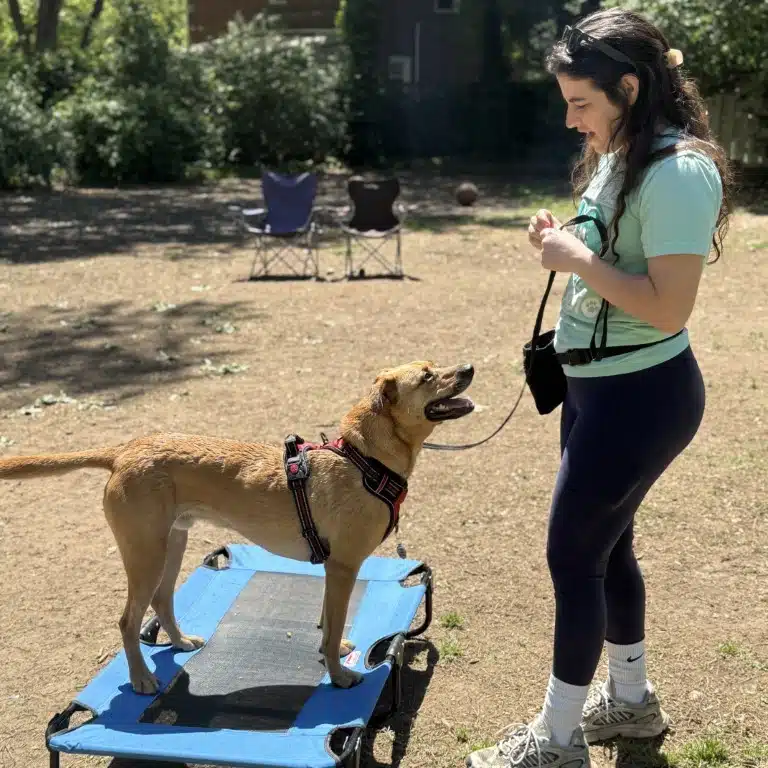
Yes absolutely. Here's a distinction I want you to hold onto: exercise and enrichment aren't the same thing.
Outdoor walks give your dog something a belt simply can't:
Sniffing and reading the world through their nose
Environmental exposure to new sights and sounds
Mental stimulation that tires the brain, not just the body
Natural movement across varied terrain
Exploration and the joy of discovery
A treadmill complements walking it supplements it when walks aren't possible, extends conditioning beyond what a walk provides, and offers structure when the environment outside isn't safe or practical. True canine wellness balances physical activity, mental enrichment, structure, and rest. That's the whole dog, not just the tired one.
How We Use Treadmill Training at Canine Cardio
At Canine Cardio, we've never seen treadmill work as "putting a dog on a machine." It's one intentional part of a bigger, purposeful fitness philosophy.
In our purpose built Canine Cardio Gym here in Arlington, treadmill sessions are guided by certified Pack Leaders who read energy and body language every step of the way and who never leave a dog unattended while the belt is moving. We work with motorized treadmills and slatmills depending on each dog's goals and temperament, and we take deck sizing, motor noise, and safety features seriously when selecting equipment for our space.
Treadmill work rarely stands alone here. We thoughtfully combine it with:
Agility for coordination and problem solving
Swimming for low impact, joint friendly fitness
Lure work to channel drive in a controlled way
Recovery activities for calm decompression
Behavioral structure that builds confidence
Our team focuses on the whole dog physical, mental, and emotional balance not just physical exertion. Because in my experience, that's what creates lasting change.
Who May Benefit From Structured Treadmill Training?
Structured treadmill work can be a great fit for:
Healthy dogs needing additional conditioning and endurance
Dogs competing in dog sports
Dogs who need controlled exercise during bad weather or when outdoor options are limited
Dogs in apartments or busy environments without reliable outdoor access
Energetic dogs that carry restless or anxious energy and benefit from structured, purposeful movement
Dogs building improved stamina over time
Dogs who thrive on predictable, controlled exercise regimens
Dogs participating in appropriate rehabilitation or recovery programs under veterinary or professional guidance
One important note: I'll never suggest treadmill exercise is right for a specific injury or medical condition without veterinary oversight. When health is involved, your vet leads the way.
Frequently Asked Questions About Dog Treadmills
Can small dogs use a treadmill?
Yes, with equipment properly sized to their stride. Belt dimensions matter a small dog needs a deck and belt that feel secure without being overwhelming, with enough length for a comfortable natural gait. Always confirm the running area actually matches how your dog moves.
Can medium dogs use dog treadmills?
Absolutely. Medium dogs do well with an appropriate running area, gentle speed, and gradual conditioning that builds over time. Double-check the weight capacity and deck length before purchasing.
Can large dogs use a treadmill?
They can, provided the belt offers enough length and width. Large dogs need real room to fully extend their stride something like the Jog A Dog's 84 inch deck offers that space. Confirm the machine's weight capacity accommodates your dog's actual weight comfortably.
How fast should a dog walk on a treadmill?
Speed should always be individualized. Start slow and prioritize a relaxed, natural gait over hitting any particular number. Motorized treadmills make this easier by letting you set and hold a steady speed.
How long should a dog use a treadmill?
It depends on fitness, experience, age, and goals but I generally recommend keeping sessions to no more than 30 minutes, especially early on. Build duration slowly and let your dog's body language guide the pace of progression.
Can treadmills help overweight dogs?
Controlled exercise can support a healthy weight-management plan but partner with your veterinarian whenever weight, mobility, or other health concerns are involved. Keep sessions gentle and monitor closely for signs of overexertion.
Can dogs use treadmills for rehabilitation?
Hydrotherapy treadmills in particular are used for rehabilitation and weight loss in clinical settings. However, any rehabilitation program should be directed by an appropriate veterinary or canine rehabilitation professional not improvised at home.
What's the difference between a motorized treadmill and a slatmill?
A motorized treadmill uses an electric motor to set a steady, controlled pace useful for structured conditioning and consistent training. A slatmill is non-motorized and entirely dog powered, meaning your dog controls the speed through their own movement. Both have a place in a well rounded fitness program depending on the dog's needs and goals.
Do dogs actually enjoy treadmill exercise?
Many do especially when introduced patiently and positively. Start with the machine turned off, build slowly, watch for stress signals, and make each session feel like a win. A dog that's been set up for success on the treadmill often takes to it more eagerly than you'd expect.
Final Thoughts: Exercise With Purpose, Not Just for Exhaustion
If you take one idea from this post, let it be this: movement matters, but purposeful movement matters more. A dog treadmill whether motorized, a slatmill, or a hydrotherapy unit used under professional guidance can be a genuinely valuable tool when chosen carefully, introduced patiently, and used with your dog's individual needs in mind.
Keep sessions under 30 minutes as you build up. Never leave your dog unattended on a moving belt. Choose equipment with the right deck length, a quiet motor, guide rails, an emergency stop function, and a weight capacity that truly fits your dog. Watch for stress signals. And remember: the treadmill supplements your dog's life it doesn't replace the walks, the sniffing, the enrichment, and the connection that make a dog's world whole.
The goal was never to simply make them tired. It's to help them grow stronger, calmer, healthier, and more confident from the inside out.
Ready to Give Your Dog a More Purposeful Workout?
At Canine Cardio, we believe exercise should do more than burn energy. Our structured canine fitness programs are designed to help dogs build strength, confidence, stamina, and balance under experienced supervision. From treadmill training to agility, swimming, lure work, and recovery, we create purposeful experiences built around the individual dog.
Explore Canine Cardio's fitness programs and discover what structured wellness can do for your dog.