How Do You Choose the Right Dog Walker in Alexandria, Virginia?
September 21, 2026

When I first started walking dogs nearly twenty years ago, I thought exercise alone was enough. Get a dog outside, let them stretch their legs, tire them out, and everyone goes home happy. But after caring for hundreds of dogs across Northern Virginia working through daycare leadership, veterinary technician work, training, and fostering high drive breeds like German Shepherds I learned something that changed how I see this work entirely. What dogs truly crave isn't just movement. It's structure, purpose, and calm leadership.
That lesson matters a great deal when you're trusting someone with your beloved pet. Choosing a dog walker isn't about finding a person willing to take your pup around the block. It's about handing over your dog's safety, routine, exercise, and well being to someone else while you're away. That's a big deal. And in a busy area like Alexandria, where so many pet parents work long hours or travel often, getting this decision right can shape your dog's whole day.
Ready to Get Started?
Your dog deserves structured exercise, fun social enrichment, and a personalized fitness plan. Begin your journey today!
Get Started
Here's what you'll take away from this guide:
What actually makes a good dog walker (beyond loving animals)
The exact questions to ask before you hire anyone
How to know if a walker truly fits your dog's personality and breed
What to expect from professional dog walking services including pricing, scheduling, and communication
When your dog may need more than a standard walk
Let's walk through it together.
What Should You Look for in a Dog Walker?
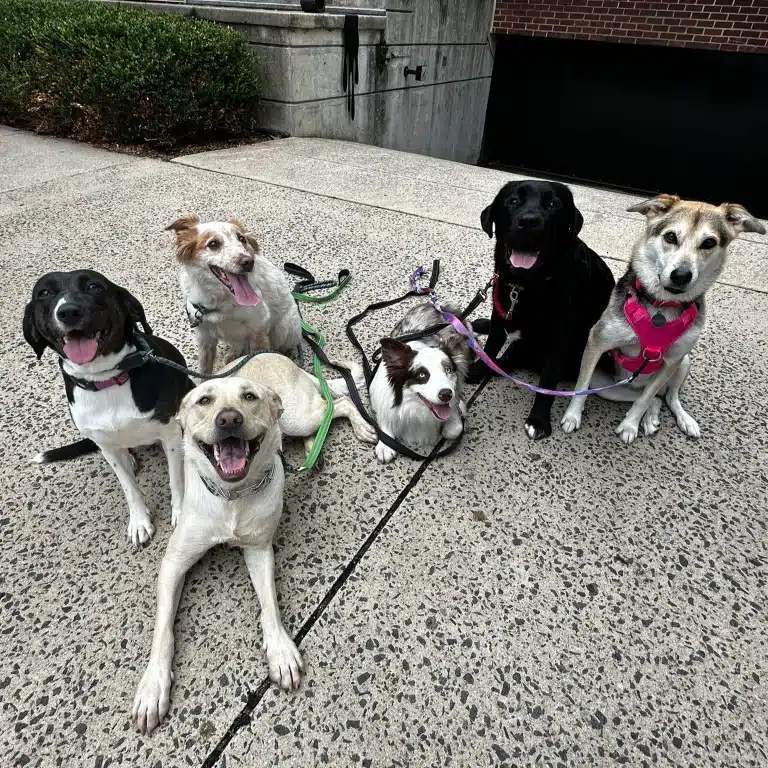
Every dog is different. A nervous rescue, a bouncy puppy, a strong shepherd mix, and a slow moving senior all need very different handling. The right dog walker should be a reliable professional who understands dogs not simply someone who likes them. Here's what separates the two.
Experience With Different Dog Breeds and Personalities
Experience is everything. Puppies, adult dogs, seniors, anxious dogs, reactive dogs, and high energy breeds each communicate in their own way, and reading them takes real time to learn. Different breeds also come with different behavioral traits and exercise needs. A border collie and a basset hound are both dogs but they need entirely different things from a walk. High drive breeds like huskies, working shepherds, or terriers may need longer, more structured outings, while brachycephalic breeds like bulldogs or pugs need shorter, gentler exercise. Elderly dogs often require shorter walks than their younger counterparts, with more breaks and less physical demand.
A good dog walker doesn't just love dogs they understand them. From my years in the field, I can tell you that every dog communicates through behavior. Dogs express love, fear, and stress in ways that aren't always obvious at first glance. A subtle stress signal a lip lick, a stiff posture, a tucked tail, or sudden yawning can tell a skilled walker everything they need to know before a situation escalates. The right walker adjusts to each dog's personality rather than forcing every pup into the same routine.
Patience is part of this too. A skilled walker knows when a dog needs space, when to slow down, and when to gently encourage. That kind of awareness only comes from genuine hands on experience with a wide range of breeds and temperaments.
One question I recommend asking every candidate: What's your favorite part of dog walking? The answer is surprisingly revealing. A walker who lights up talking about the bond they build with each dog or the moment a nervous pup finally relaxes is someone who brings real care to the work. Someone who struggles to answer that question may not be in it for the right reasons.
Professionalism, Reliability, and Qualifications
Would you leave your house key with someone who shows up whenever they feel like it? Of course not. Punctuality, communication, and consistency matter enormously.
You should always know who is coming to your home and when your dog will be walked. Reliable communication takes a huge weight off your shoulders, especially if you work long hours or travel for work. A professional dog walker or established pet services company should have clear policies around scheduling, cancellations, and backup coverage.
Crucially, check that your walker is trained in pet first aid and CPR. Emergencies happen a cut paw, an allergic reaction, a dog that overheats on a warm afternoon. A walker who is prepared for those moments can make all the difference. Verify their qualifications, including any certifications and their experience with specific breeds similar to yours.
Responsibility isn't a bonus here. It's the baseline.
Safety, Insurance, and Background Checks
Safety comes first, always. Your walker should handle the leash properly and stay aware of traffic, other animals, birds, and unfamiliar surroundings. Dogs can be unpredictable, and a good walker stays prepared for the unexpected.
Before hiring, confirm that your walker has undergone a background check. Professional dog walkers should carry liability insurance and be bonded this protects both you and them if something goes wrong during a walk. Don't be shy about asking for proof of coverage. A reputable walker or pet services company will offer this information without hesitation.
Also ask how they handle an injured, frightened, or aggressive dog and make sure they have a clear emergency plan for dog injury or illness. And don't overlook the small things that prevent big problems: securing doors and gates, checking collars and leashes, and knowing how to reach you or your vet in an urgent moment. These details protect your furry friend every single day.
What Questions Should You Ask a Professional Dog Walker?
I always encourage pet parents to interview a walker the way you'd interview anyone caring for a family member. Here's a practical checklist you can use:
Do you have experience with my dog's specific breed?
What's your favorite part of dog walking?
Do you work with puppies or senior dogs?
Can you safely handle reactive or strong dogs?
Are you trained in pet first aid and CPR?
Have you passed a background check?
Are you insured and bonded?
Will my dog have one on one attention, or will they walk in a group?
How long is each dog walking visit 30, 45, or 60 minutes?
How many walks per day do you offer?
What happens if there's an emergency?
Do you send pictures or updates during or after each walk?
Who exactly will be walking my dog?
What happens if the regular walker is unavailable due to illness or bad weather?
Can you follow specific feeding instructions or medication routines?
How do you handle two dogs from the same household?
Can I check your references?
What areas of Alexandria do you serve?
The answers tell you a great deal. A responsible professional won't hesitate to walk you through their approach. If someone brushes off your questions, that tells you something too.
How Do You Know if a Dog Walker Is a Good Match for Your Dog?
The right dog walker should match your dog not just your schedule. Convenience matters, but your pup's comfort matters more.
Consider Your Dog's Personality and Breed
A confident, energetic dog needs a very different approach than a nervous, easily overwhelmed one. Think about who your dog is. Do they pull toward every new friend, or do they shrink back from strangers? Different breeds have unique behavioral traits and a walker with breed specific experience will understand those nuances. The walker's temperament and expertise should complement your dog's personality so both feel comfortable from day one.
Consider Your Dog's Exercise Needs
A walk should give appropriate physical activity without pushing a dog past their limits. Puppies, seniors, and dogs recovering from injury or surgery all need different levels of exertion. Elderly dogs generally need shorter, gentler outings compared to younger, higher energy dogs. A bouncy young Lab and a twelve year old with stiff joints should never get the same walk.
This is also where walk length matters. Most professional dog walking services offer visits of 30, 45, or 60 minutes. Shorter walks can work well for older dogs, small breeds, or dogs with health considerations, while higher energy breeds often benefit from the full 60 minute option. Some dogs may also need multiple visits per day, especially puppies who can't hold their bladder for long stretches or dogs who need frequent mental and physical engagement.
Proper exercise supports your dog's overall health and well being heart, joints, weight, and mood. The goal is fulfillment, not exhaustion.
Consider Training and Behavioral Needs
Leash manners and basic training shape the entire walking experience. A good dog walker should understand your existing training expectations and honor them. Consistency is key here. If one person allows pulling and another corrects it, your dog gets confused. Everyone who handles your dog should follow the same rules.
Understanding dog behavior isn't just helpful it's essential for safety. Dogs communicate love, fear, and stress through their behavior, and a walker who reads those signals accurately can prevent dangerous situations before they develop.
Solo Walks vs. Group Walks: Which Is Right for Your Dog?
One important decision is whether your dog joins a private walk or a group walk. Both have their place, but they aren't interchangeable.
Solo walks give your dog individual attention, consistency, and a quieter, more structured experience. They're ideal for dogs who are anxious, reactive, or simply need one on one time to feel secure. Private walks are also better suited for dogs with specific training needs or health requirements.
Group walks can offer socialization opportunities for confident, well socialized dogs. They're often a lower cost option and can be enriching for dogs who genuinely enjoy the company of other dogs. However, they require a walker who can safely manage multiple dogs and respond to each one's needs which demands real experience and strong leash-handling skills.
When evaluating candidates, ask specifically about how many dogs are walked together in a group, how they're matched, and how the walker manages unexpected behavior from one dog while maintaining control of the others.
What Should a Dog Walking Visit Include?
More Than Just a Walk Around the Block
Professional dog walking is about purposeful movement and genuine attention. Depending on your dog, a quality visit may include:
A structured, engaging walk
Bathroom breaks
Fresh water
Basic enrichment
Light leash practice
Companionship
A quick check of your dog's environment
A dog who returns home calmly satisfied rather than frantic or bored is a sign the visit did its job.
Some walkers also offer drop in visits, which are shorter check ins that cover feeding, bathroom breaks, and a bit of companionship. These can be a great complement to longer dog walking sessions, particularly for puppies or dogs who need multiple visits throughout the day.
Communication With Pet Parents
Updates during or after each visit bring real peace of mind. Daily updates whether a quick text, a note, or a few photos reassure you that your furry friends are safe and content. When you're at work or unable to check in yourself, that small gesture means everything. Clear, detailed communication after each walk should be standard, not optional. Good communication is the difference between worrying all day and trusting your dog is in great hands.
Dog Walking vs. Pet Sitting: Which Service Does Your Dog Need?
These two services often get grouped together, but they're not the same.
Dog walking focuses on exercise, bathroom breaks, companionship, and keeping your dog's daily routine steady perfect for long workdays.
Pet sitting usually involves longer visits and extra responsibilities, like feeding, playtime, medication management, and simply keeping your pet company for a stretch.
Drop-in visits sit somewhere in between shorter than full pet sitting but more involved than a standard walk.
Some families need a mix. A pet sitter or house sitting arrangement may be the right call for vacation or work travel, while regular dog walking covers everyday needs. If you have a puppy, a senior dog, multiple animals, or cats and other pets in the home, think about which combination truly fits your household.
What Does Professional Dog Walking Cost in Alexandria?
Pricing varies by service type and provider, but most professional dog walkers in the Alexandria area charge between $45 and $65 per walk. Longer walks or additional services like drop-in visits and multiple daily walks may be priced separately. Group walks are sometimes offered at a lower rate than private ones.
I'd encourage you to treat price as one factor not the deciding one. A lower priced walker with little experience or no insurance isn't a bargain. A professional who communicates clearly, shows up reliably, and understands your dog's needs is worth the investment.
How Can You Find Dog Walkers in Alexandria, Virginia?
Ready to start your search? Here's how I'd approach it:
Start with reputable local pet care companies that have a track record in the community.
Ask for recommendations from friends, neighbors, trainers, veterinarians, and other pet parents. Word of mouth from people who know your dog or your neighborhood is one of the most reliable ways to find a trustworthy walker.
Use dedicated platforms like Rover to browse local dog walkers, read detailed profiles, and check reviews in your area.
Read reviews carefully, looking for specifics about reliability, communication, and care.
Check for insurance, bonding, and background checks and ask for documentation.
Check references from current or previous clients. Ask about reliability, professionalism, and how the walker handled unexpected situations.
Review the company's website and services to understand their approach and qualifications.
Schedule a meet and greet before committing.
Conduct a trial walk before making any long term commitment. A single walk can tell you a great deal about how a walker handles your dog, responds to their needs, and communicates with you afterward.
What to Look for During the Meet and Greet
This first meeting tells you so much and pay close attention to your dog's reaction. Watch how the person approaches your pup. Does your dog seem comfortable, curious, or relaxed? Or do they back away, tuck their tail, or seem stiff and wary? Your dog's body language during the meet and greet is one of the most honest indicators of compatibility you'll get.
Does the walker ask thoughtful questions about personality, behavior, health, and routine? Do they actually listen to your instructions? Do they seem genuinely interested in getting to know your dog as an individual? The best walkers stay patient and let your dog set the pace rather than overwhelming them right away. And they come across as prepared to handle whatever the walk might throw at them.
Red Flags to Watch for When Hiring a Dog Walker
Trust your instincts if you notice any of these warning signs:
Poor or slow communication
Frequently changing appointment times
No clear safety procedures or emergency plan
Little real experience with dogs or specific breeds
Refusal to answer questions about care, qualifications, or insurance
No background check, liability insurance, or bonding
No interest in your dog's personality, breed, or routine
Overcrowded group walks when your dog needs individual attention
Lack of references or reviews
Unclear pricing or cancellation policies
No contingency plan for bad weather or their own illness
Someone who treats every dog exactly the same
That last one is the biggest tell. Dogs are individuals with unique breed traits, behavioral tendencies, and emotional needs. Anyone who ignores that isn't giving your dog the care they deserve.
How the Right Dog Walker Can Support Your Dog's Well Being
Here's where I want to zoom out, because this is the heart of what I've learned over nearly two decades.
Dogs need more than physical exercise. Purposeful movement, mental stimulation, structure, and calm leadership all work together to shape a dog's well-being. The goal was never to simply tire a dog out. A tired dog isn't the same as a fulfilled one.
Dogs communicate their emotional state through everything they do a wagging loose tail and soft eyes tell you one thing; a stiff body, whale eye, or low growl tell you another. A walker who understands those signals doesn't just keep your dog safe. They actively support your dog's confidence and emotional health on every outing.
What we're really after is a dog who feels confident, balanced, and comfortable in their everyday life. That's the difference between a walk that fills time and a walk that fills a need.
When Your Dog May Need More Than Traditional Dog Walking
Some dogs need more than a standard neighborhood stroll. I see it often. You might recognize your own pup here:
High energy dogs who never seem satisfied after a regular walk
Dogs struggling with leash behavior or reactivity
Reactive dogs who bark or lunge at other dogs, people, or bikes
Dogs craving structured enrichment alongside their exercise
Dogs recovering from injury who need low impact, purposeful movement
Dogs needing extra mental stimulation due to their breed's working instincts
So many behaviors labeled "anxious," "reactive," or "too much" aren't disorders at all. They're unmet needs. When a dog's natural drive especially in working breeds, sporting breeds, or herding breeds gets ignored, it channels into frustration, restlessness, and destructive habits. But when we give that energy a safe, structured outlet, those same dogs transform.
This is where structured exercise, training, and enrichment can complement or go well beyond traditional dog walking.
Why I Believe Structure Matters in Dog Care
At Canine Cardio, everything we do is built on a simple truth I've watched play out again and again: dogs thrive on consistency, structure, and calm leadership.
Structure doesn't mean draining the fun out of your dog's life. Just the opposite. Structure gives dogs clear expectations and real chances to succeed. When a dog understands the rules, the world stops feeling so unpredictable and that's when confidence blooms. I like to put it simply: structure equals freedom, calm equals confidence, and movement equals fulfillment.
Our Train for Reality philosophy is about preparing dogs for actual life traffic, strangers, other animals, new places with balanced, results driven methods rooted in calm confidence and clear communication. We pair purposeful exercise with leadership and enrichment because that combination is what genuinely changes a dog from the inside out.
Choosing Pet Services That Fit Your Whole Family
The right pet care solution has to work for both your dog and your humans. Your priorities depend on your life:
If you're a busy professional, reliability, clear daily communication, and consistent scheduling probably matter most.
If you have a family, consistency and post walk updates likely top the list.
If your dog has behavioral challenges or a high drive breed background, experience, structure, and breed specific knowledge become essential.
If you travel often, dependable pet sitting, drop in visits, or house sitting may be part of the plan.
There's no single right answer only the right fit for your household. Look for a provider who takes the time to understand your dog's individual needs and your family's routine, and who has a clear contingency plan for the unexpected: bad weather, illness, or a scheduling gap.
Final Thoughts: Choosing the Right Dog Walker in Alexandria
Hiring a dog walker is, at its core, a trust decision. I encourage you to look beyond price and convenience alone. Weigh experience including breed-specific experience safety, communication, insurance, background checks, references, and your dog's unique personality and needs. Conduct a trial walk. Observe your dog during the meet and greet. Ask the hard questions. Check those references.
After all these years, my belief hasn't changed: every dog deserves care that supports their physical, mental, and emotional well being. When you choose thoughtfully, you're not just booking a service you're giving your dog a better, calmer, more confident life.
If your dog needs more than a quick walk around the block, Canine Cardio is here to help. Our structured approach combines movement, enrichment, leadership, and behavioral support to help dogs become stronger, calmer, and more confident. For Alexandria area pet parents looking for purposeful dog walking, pet care, training, and enrichment, learn more about how Canine Cardio can support your dog's everyday well being.