What Is a Dog Treadmill? A Guide for Northern Virginia Dog Owners
By Alex Crabill · July 22, 2026
Ready to Get Started?
Your dog deserves structured exercise, fun social enrichment, and a personalized fitness plan. Begin your journey today!
Get Started
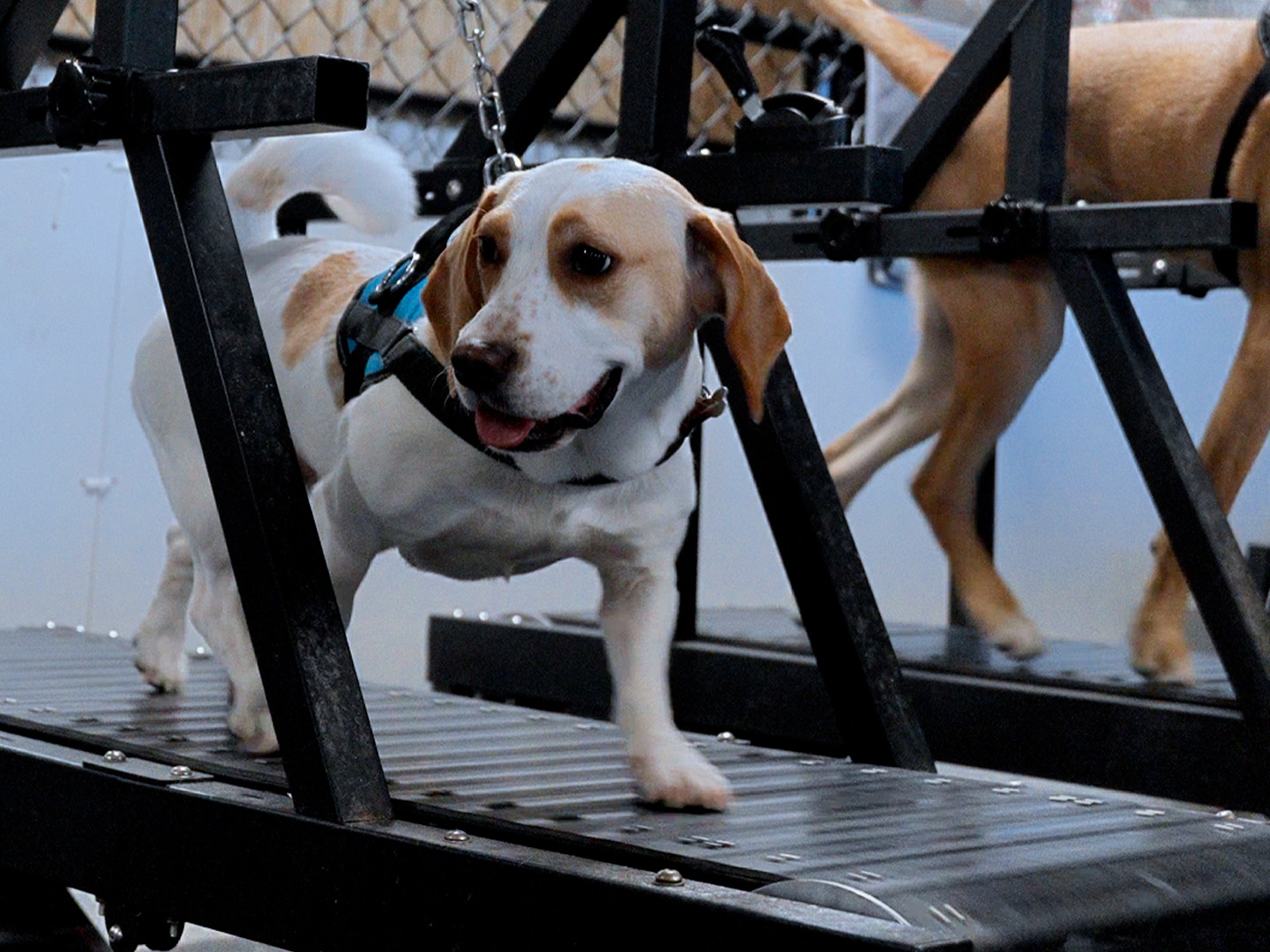
A dog treadmill is a piece of fitness equipment designed specifically for canine anatomy longer than a human treadmill, built to handle dirt and hair, and equipped with safety features like guide rails, side panels, and emergency stop functions. When introduced correctly and used under supervision, dog treadmills support cardiovascular health, weight management, injury rehabilitation, and mental focus, making them a valuable tool in a structured canine fitness program.
One of the most common questions I hear from dog owners across Northern Virginia is whether a dog treadmill is actually worth it or just an expensive piece of equipment collecting dust in the corner. If you're trying to decide whether treadmill exercise fits your dog's routine, this guide is built for you.
I'm Brittany Schneller, founder of Canine Cardio, and after nearly two decades working hands on with thousands of dogs, my answer is always the same: dog treadmills are incredible tools. But only when used correctly, introduced thoughtfully, and integrated into a complete wellness plan.
I've watched treadmill training transform anxious, overweight, and under stimulated dogs into calmer, more confident, healthier versions of themselves. I've also seen owners misuse the equipment going too fast, skipping supervision, or expecting it to solve behavioral problems overnight. The difference between those two outcomes comes down to one thing: structure.
At Canine Cardio, I use dog treadmills as part of individually designed exercise programs tailored to each dog's age, breed, fitness level, and temperament. A treadmill is never a shortcut. It's one intentional piece of a much larger puzzle that includes outdoor enrichment, behavioral training, social development, and quality time with you. That matters for Northern Virginia dog owners because treadmill work gives dogs consistent, controlled, weather independent exercise when outdoor walks are limited, inconsistent, or not enough on their own. If you've been curious about whether treadmill exercise is right for your dog, this guide will walk you through what a dog treadmill is, the different types available, the benefits, which dogs are good candidates, how to introduce one safely, common mistakes to avoid, what they cost, and how treadmill exercise compares with outdoor walking.
What Is a Dog Treadmill?
A dog treadmill functions on the same basic principle as a human treadmill a motor driven belt that moves at a consistent, adjustable pace but that's where the similarities end.
Dog treadmills are purpose built for canine anatomy and movement. They're notably longer than human treadmills, constructed to handle the dirt and hair that come with daily canine use, and designed with safety features that human treadmills simply don't have. Side panels keep dogs centered on the belt. Guide rails prevent stepping off mid-session. Emergency stop functions allow for an immediate, safe shutdown if needed. The running belt itself needs to be secure and grippy to prevent slipping especially important when you're building a dog's confidence on the equipment.
One of the most important sizing principles I share with owners is this: the running deck should be at least twice your dog's body length. This ensures a full, natural gait without the dog feeling crowded or restricted. A deck that's too short forces a dog to shorten their stride, which can create abnormal movement patterns and increase the risk of injury over time.
Proper supervision during every treadmill session is non-negotiable. A dog should never be left unattended on a treadmill, even for a moment. At Canine Cardio, every session is guided, monitored, and adjusted in real time based on how the dog is responding.
Key points about dog treadmills:
- Designed specifically for canine anatomy and stride longer and more durable than human treadmills
- Built to handle dirt and hair from regular canine use
- Feature guide rails, side panels, and emergency stop functions for safety
- Running deck should be at least twice the dog's body length to allow a natural gait
- Require a secure, grippy running belt and consistent, attentive supervision
- Should be easy to set up and use; foldable designs are a practical choice for home storage
What Are the Different Types of Dog Treadmills?
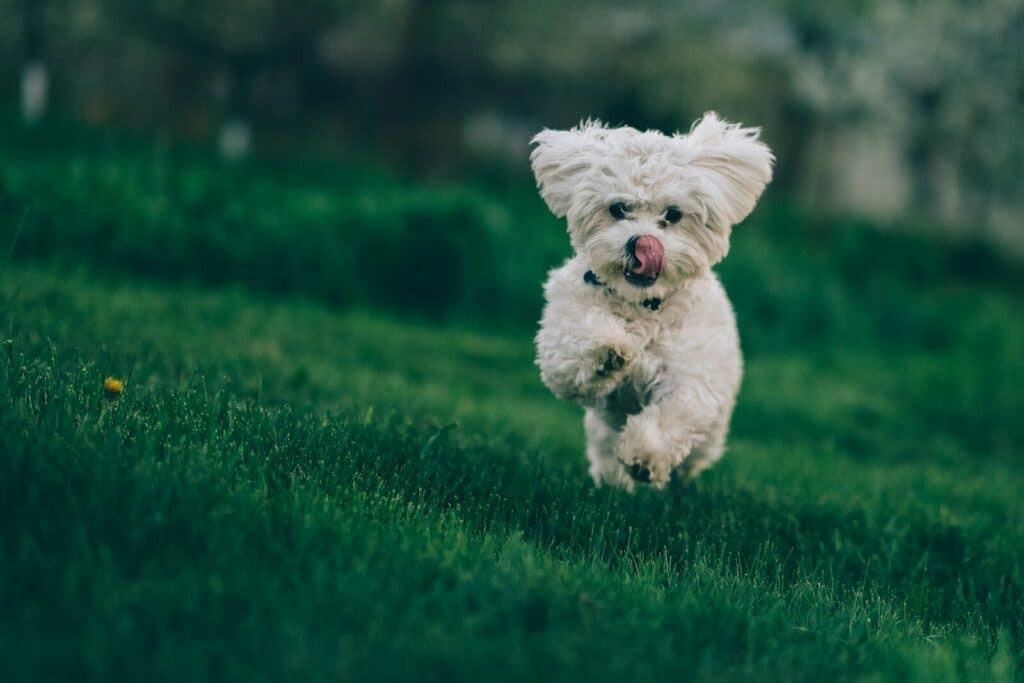
Not all dog treadmills are built the same, and choosing the right one depends on your dog's size, fitness level, confidence, and goals. While every treadmill is designed to provide controlled exercise, the way it operates can significantly affect your dog's experience and the type of training it's best suited for.
The most common option is a motorized dog treadmill. These treadmills use an electric motor to move the running belt at a controlled speed, allowing trainers and owners to gradually adjust intensity as a dog's fitness improves. They're an excellent choice for structured conditioning, weight management, rehabilitation, and year-round exercise because every session can be carefully customized.
Several models are consistently recognized by dog owners for their performance and reliability:
- dogPACER LF 3.1 – One of the most popular dog treadmills available, supporting dogs up to 179 pounds. Its adjustable speed settings and foldable design make it a versatile option for medium and large breeds.
- Lifepro PawRunner – Designed for dogs up to 130 pounds, this compact treadmill features a 42-inch running deck that's well suited for small and medium-sized dogs looking for consistent daily exercise.
- Jog A Dog Treadmill – Built with giant breeds in mind, this professional-grade treadmill offers an extra-long 84-inch running surface, giving larger dogs plenty of room to move naturally and comfortably.
- dogPACER 4.0 – A more advanced model that includes Bluetooth connectivity and a companion app, allowing owners to monitor workouts, adjust settings, and track their dog's progress with ease.
The second type is a slatmill, a non-motorized treadmill powered entirely by the dog's own movement. Instead of relying on a motor, the dog controls the pace, making it a favorite among working dogs, sporting dogs, and owners focused on building strength and endurance. One of the best-known models is the Dog Trotter USA Classic Slatmill.
Why Would a Dog Need a Treadmill?
A long walk around the neighborhood is one of the best ways to bond with your dog, but after nearly two decades of working with dogs of all ages, breeds, and energy levels, I've learned that a walk alone isn't always enough. While walks provide valuable opportunities for sniffing, exploration, and socialization, they don't always deliver the consistent, controlled exercise some dogs need to stay physically and mentally balanced.
Dog treadmill training is especially beneficial for:
- Busy working families who want to ensure their dog receives reliable daily exercise, even when work schedules, travel, or unpredictable weather make longer walks difficult.
- High-energy breeds, such as Belgian Malinois, Border Collies, Weimaraners, and other active dogs that often require more physical activity than a typical neighborhood walk can provide.
- Dogs recovering from injury or surgery that benefit from carefully controlled, low-impact movement as part of a rehabilitation program under professional guidance.
- Senior dogs that need gentle, consistent exercise to maintain muscle strength, joint mobility, and overall health without the uneven terrain or distractions found outdoors.
- Overweight dogs following a structured weight management plan, where steady, monitored exercise helps burn calories while reducing unnecessary stress on their joints.
- Sporting, agility, and working dogs building endurance, stamina, and cardiovascular fitness to perform at their best.
One of the biggest lessons I've learned is that every dog has different physical and emotional needs. Some dogs need a greater cardiovascular challenge, while others benefit most from the calm, repetitive rhythm of a structured treadmill session that helps them relax and focus. That's why I never believe in a one size fits all approach. Every fitness program at Canine Cardio is tailored to the individual dog, creating the right balance of exercise, enrichment, and structure to help them thrive.
The Benefits of Dog Treadmill Training
Consistent Daily Exercise at a Controlled Pace
One of the biggest challenges dog owners face is maintaining a consistent exercise routine. Weather, work schedules, and life get in the way. A treadmill eliminates those variables. The pace is controlled, the environment is stable, and the routine is reliable. Over time, consistent daily movement produces measurable improvements in cardiovascular health, muscle tone, and overall vitality.
Building Endurance and Muscle Through Structured Work
Gradual progression is everything in fitness for humans and dogs alike. A treadmill allows me to increase speed and duration incrementally, building a dog's conditioning without overworking joints or muscles. For dogs that need additional strength and endurance work, incline training is one of the most effective tools available. Adjusting the treadmill to an incline challenges the major muscle groups differently than flat-surface running building hindquarter strength, improving cardiovascular capacity, and increasing overall endurance in a controlled, measurable way.
Developing Mental Focus and Calmness
This benefit surprises a lot of owners, but it's one I find most valuable. Treadmill work requires a dog to maintain focus, regulate their pace, and follow guidance consistently. Done well, it teaches patience, calmness, and confidence. Physical exercise and mental engagement work together and a dog that learns to stay calm and focused on the treadmill often carries that calmness into other areas of life.
A Solution for Bad Weather Days
Northern Virginia weather can be unpredictable scorching summer humidity, icy winter sidewalks, heavy rain, or air quality alerts that make outdoor exercise inadvisable. A dog's fitness program shouldn't stop because the weather changes. Treadmill sessions provide a safe, climate controlled indoor alternative that keeps the routine intact year round. For high energy dogs especially, having a reliable indoor outlet during periods when outdoor exercise is limited makes a real difference in their behavior and overall temperament at home.
Supporting Healthy Weight Management and Physical Rehabilitation
Controlled calorie burning through consistent, low impact movement is one of the most effective tools in a weight management program. Treadmill exercise protects joints while still providing meaningful cardiovascular activity making it an excellent option for overweight dogs who need exercise without the strain of high impact activity. For dogs in rehabilitation following injury or surgery, the treadmill offers something outdoor exercise rarely can: a completely controlled environment where pace, duration, and surface can all be managed precisely to support recovery without risking reinjury.
Can Every Dog Use a Treadmill?
The short answer is no and I think it's important to be honest about that.
Before any dog begins treadmill training, I consider several factors: age, breed, medical history, current fitness level, and temperament. Puppies whose skeletal systems are still developing should not use a treadmill until their growth plates have closed typically between 12 and 18 months, depending on the breed. Dogs with active orthopedic conditions, heart issues, or respiratory concerns require veterinary clearance before beginning any structured exercise program.
Sizing also matters. A treadmill that doesn't allow a dog to move through their natural gait is not just ineffective it can be harmful. This is why matching the equipment to the dog's body length is as important as matching it to their weight capacity.
Even confident, healthy dogs vary widely in how quickly they adapt to treadmill work. Some take to it naturally; others need weeks of gradual trust building before they're comfortable. That individual assessment is exactly why professional evaluation matters before getting started.
How I Introduce Dogs to the Treadmill at Canine Cardio

I never force a dog onto equipment. That's a principle I hold without exception.
The introduction process at Canine Cardio always begins with the machine turned off. Before any movement happens, I let the dog investigate the treadmill at their own pace sniffing it, walking around it, getting comfortable with its presence in the space. Calm behavior is rewarded. Curiosity is encouraged. Anxiety is never rushed through.
Motor noise is one of the most common reasons dogs hesitate around treadmill equipment. A quiet motor reduces that stress significantly, particularly for timid dogs. When I'm working with a more anxious dog, I'll often let them hear the motor running from a distance before asking them to engage with it up close desensitizing them gradually rather than overwhelming them.
Once a dog is comfortable near the treadmill, I introduce very slow movement often just the belt running while the dog stands beside it. When the dog is ready to step on, sessions start at the slowest possible speed for a very short duration. Confidence always comes before distance or speed. Always.
From there, progression is gradual and responsive. I'm constantly reading the dog's body language, adjusting pace and duration based on how they're engaging. The goal at every stage is for the dog to finish a session feeling successful not exhausted, not stressed, not overwhelmed.
Dog Treadmill vs. Walking Outside: Which Is Better?
Both. And that's not a diplomatic non-answer it's the truth.
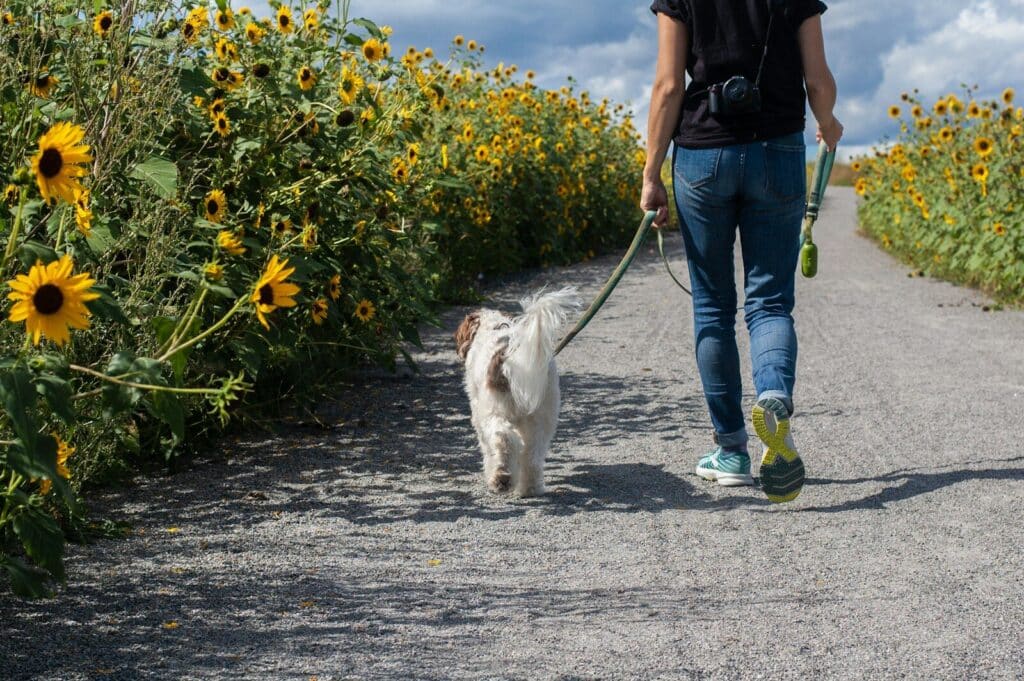
Outdoor walks provide things a treadmill simply cannot: the opportunity to sniff and explore, exposure to varied environments, socialization with other dogs and people, and the kind of relationship-building that happens when you and your dog navigate the world together. Environmental enrichment is a critical component of a dog's mental and emotional health, and no piece of equipment replaces it.
A treadmill, on the other hand, offers something outdoor walks can't always guarantee: controlled, consistent, weather independent exercise at a precise pace ideal for rehabilitation, fitness tracking, incline conditioning, and maintaining routine when outdoor conditions aren't ideal.
At Canine Cardio, I view treadmill training and outdoor activity as complementary, not competing. Together, they create a more complete wellness program than either could achieve alone. Our Structured Daycare and Dog Agility Programs incorporate both, because a well rounded dog needs both.
Common Mistakes Dog Owners Make With Dog Treadmills
Going too fast. Speed is not the goal. Controlled movement at an appropriate pace builds fitness safely. Pushing a dog beyond their current conditioning level leads to injury and erodes trust.
Sessions that are too long. More time on the treadmill is not automatically better. Short, purposeful sessions graduated gradually over time produce better long term results than long, exhausting ones.
Leaving dogs unsupervised. A dog should never use a treadmill without direct human supervision. Period. Even treadmills equipped with emergency stop functions require a person present to recognize when that function is needed.
Ignoring body language. Signs of stress lip licking, yawning, pinned ears, refusing to move forward, sudden freezing are communication. If a dog is showing these signals, the session needs to stop and the approach needs to be reassessed.
Using the treadmill as a replacement. Treadmill work complements walks, play, training, and enrichment. It does not replace them. A dog who only exercises on a treadmill is missing essential dimensions of a healthy life.
Skipping proper setup. A treadmill that wobbles, has a slippery belt, or isn't sized correctly for the dog creates risk from the start. The equipment should be easy to set up properly, stable during use, and checked regularly to ensure the running surface remains secure and grippy.
Are Dog Treadmills Expensive?
Purchase prices vary significantly depending on the brand, size, and quality of construction. Entry level motorized options like the dogPACER LF 3.1 come in around $499 a reasonable investment for a purpose built, large dog treadmill. Specialized options for smaller breeds, like the Lifepro PawRunner, or giant breed models with extended decks, like the Jog A Dog, may be priced differently depending on features and capacity. Higher-end models like the dogPACER 4.0 add technology features such as Bluetooth connectivity and app integration, which increases the cost but also provides more precise tracking and control. Non-motorized slatmills, like the Dog Trotter USA Classic, tend to appeal to working-dog owners and sport enthusiasts willing to invest in a more specialized tool.
One practical consideration many owners overlook: foldable designs. If storage space is limited at home, a treadmill that folds flat or into a compact footprint makes a real difference in day to day usability.
Here's what I tell owners honestly: many don't need to purchase a treadmill at all. Accessing professional fitness programs, like those offered through our Canine Fitness Gym at Canine Cardio, gives your dog the benefits of expert supervised treadmill training without the upfront equipment cost or the risk of misuse. Investing in professional guidance typically produces better, safer, and more lasting results than buying equipment without the knowledge of how to use it effectively.
Frequently Asked Questions About Dog Treadmills
Is a dog treadmill safe?
Yes when introduced gradually, used at an appropriate speed and duration, and supervised attentively throughout every session. Safety features like guide rails, side panels, and emergency stop functions add important layers of protection, but they're no substitute for attentive human oversight.
Can puppies use dog treadmills?
I recommend waiting until a puppy's growth plates have fully closed before beginning any treadmill work. This typically occurs between 12 and 18 months, varying by breed. Always consult a veterinary professional before starting.
How long should my dog use a treadmill per session?
Session length depends on the individual dog's age, breed, current fitness level, and health status. Early sessions may be just a few minutes. Duration increases gradually over time as conditioning improves. There's no universal answer every dog is different.
Can a dog treadmill replace my daily walk?
No. Outdoor exploration, environmental enrichment, and the relationship building that happens on a walk are irreplaceable. A treadmill is a valuable complement to outdoor activity not a substitute for it.
How fast should my dog run on a treadmill?
Speed is determined entirely by the individual dog's size, fitness level, and goal. A large, athletic dog in peak condition will work at a very different pace than a senior dog on a recovery program. Starting slow and progressing gradually is always the right approach.
What size treadmill does my dog need?
As a general rule, the running deck should be at least twice your dog's body length to allow a full, comfortable gait. A 42-inch deck works well for small breeds, while large or giant breeds need 71 inches or more. Always verify weight capacity as well choose a model rated well above your dog's actual weight to allow for comfortable, unrestricted movement.
Why Structured Fitness Creates Better Dogs
At Canine Cardio, I don't view the treadmill as simply an exercise machine. I view it as one of many tools we use to build something much bigger: a dog that is confident, calm, physically healthy, and emotionally balanced.
Structured fitness changes dogs in ways that surprise people. The dog that used to be reactive on leash becomes easier to manage. The dog that used to demolish furniture out of boredom settles down naturally in the evenings. The senior dog whose owners thought was "just slowing down" moves with more ease and enthusiasm after a few weeks of consistent, appropriate exercise. High energy dogs that struggled to settle without significant outdoor time begin to regulate more reliably because structured indoor work meets their physical needs even on days when getting outside isn't possible.
Structure equals freedom. Calm equals confidence. Movement equals fulfillment. I've seen this play out with thousands of dogs, and it's the foundation of everything we do from our Behavioral Training Academy to our Train for Reality Program, our Swimming for Dogs sessions, and our Puppy Training programs. Every service at Canine Cardio is connected by the same philosophy: purposeful, structured care creates dogs that thrive.
Start Your Dog's Fitness Journey at Canine Cardio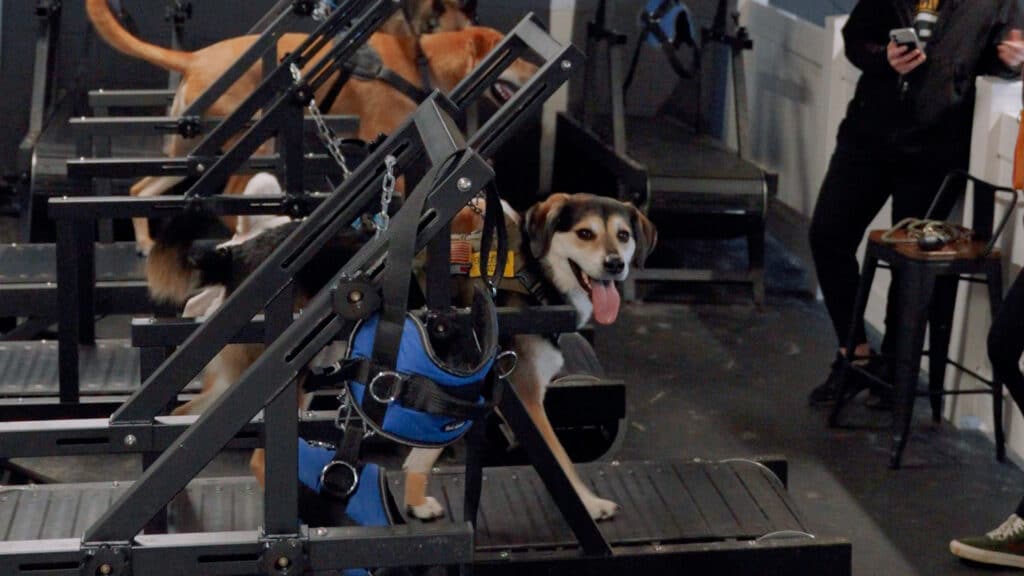
A dog treadmill is not a gimmick, and it's not a shortcut. Used thoughtfully with the right equipment sized for your dog, proper safety features in place, and a gradual introduction that builds genuine confidence it's one of the most effective tools available for improving a dog's physical health, mental focus, and overall quality of life.
My encouragement to you: focus on consistency, leadership, and purposeful exercise not just on tiring your dog out. There's a meaningful difference between a dog that's been exercised and a dog that's been fulfilled.
If you're a dog owner in Northern Virginia and you're ready to explore what structured fitness could do for your dog, I'd love to show you. Visit Canine Cardio to learn more about our Canine Fitness Gym, Structured Daycare, and full range of training and wellness programs. You're also welcome to stop by our Snouts & Stouts Café and learn more about who we are and what we believe about dogs on our About Canine Cardio page.
Your dog deserves a life that's active, purposeful, and full. Let's build that together.